What are the principles of pigeon feed formulation? With reference plans
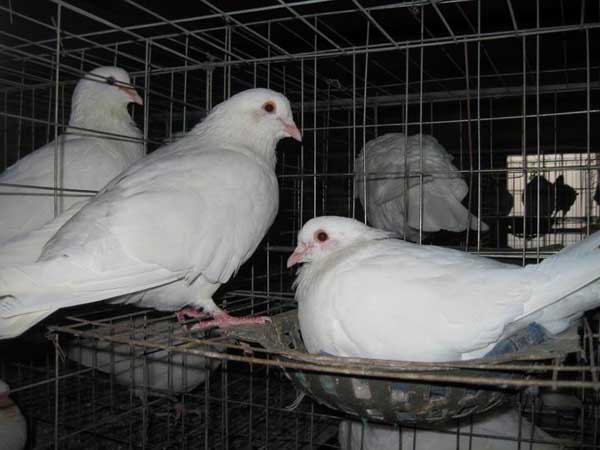
Formulating a reasonable feed formula is the key to raising pigeons well. Scientifically preparing the daily ration can make full use of feed resources, and a reasonable combination of feeds can meet the needs of pigeons for growth, reproduction and various activities, thereby maximizing the effectiveness of the feed and improving feed utilization. At the same time, combining a variety of feed ingredients can improve the palatability of the feed and give play to the complementary effects of various nutrients, especially amino acids.
Formulation principles
According to different situations such as the pigeon's breed, age, use, physiological stage and production level, determine its nutritional requirements and establish feeding standards, then select feeds according to the feeding standards and mix them.
Control the volume of the daily ration. It is necessary to ensure both the nutritional level and consider the amount eaten. Generally, a pigeon consumes 30 g to 60 g in 1 day. If the crude fiber content in the daily ration is relatively large, it easily results in a relatively large volume, and when the pigeon eats a normal amount, the nutrition cannot meet its needs. Therefore, the crude fiber content should generally be controlled within 5%.
Combine a variety of feeds to give play to the complementary effects of nutrients, so that the daily ration has high nutritional value and good palatability, and improves feed digestibility and production efficiency.
Select suitable raw materials for mixing. Feed raw materials are required to be non-toxic, free from mildew and pollution, and free of pathogenic microorganisms and parasites. As far as possible, consider using local feed resources, and at the same time consider the market price of raw materials, so as to reduce feed costs while ensuring nutrition.
Keep the feed relatively stable. After the daily ration is prepared, appropriate changes should be made according to season, feed resources, feed prices, production level, etc., but the changes should not be too large, and relative stability should be maintained. If varieties need to be replaced, gradual transition must also be considered.
In a daily ration based mainly on grains and seeds, it should be ensured that the moisture in the daily ration is below 11%, crude protein 12%-15%, nitrogen-free extract 65%-70%, and crude fat, crude fiber and crude ash each account for 3%, so as to ensure that energy feed accounts for 70%-80% and protein feed 25%-30%.
Reference plans
In many pigeon farms in China, feed raw materials are used to feed pigeons. Several feed formulas are now introduced for reference.
Formula 1: rice grain 50%, corn 20%, wheat 10%, mung beans and other beans 20% (for parent pigeons brooding commercial meat pigeons).
Formula 2: corn 40%, peas 30%, rice grain 20%, wheat 7%, rapeseed 3%.
Formula 3: corn 30%, brown rice 20%, barley 10%, sorghum 10%, mung beans 15%, peas 10%, rapeseed 5%.
Formula 4: corn 50%, peas 25%, rice grain 25%.
Formula 5: corn 30%, brown rice 18%, wheat 10%, sorghum 10%, peas 17%, mung beans 10%, hemp seed 5%.
Formula 6: corn 35%, peas 26%, mung beans 6%, sorghum 10%, wheat 12%, rice grain 6%, hemp seed 5%.
When mixing the daily ration yourself, since the daily ration mix is mostly considered according to the actual local resource conditions, and consideration should also be given to the four nutrients of energy, protein, vitamins and minerals meeting the needs of meat pigeons at each growth stage. Therefore, the feed formula should be adjusted in a timely manner according to the nutritional requirements of meat pigeons at each growth stage, and trace elements, vitamins and inorganic salts should be supplemented in a timely manner.
With the rapid development of the poultry industry, most poultry raising has adopted complete compound pellet feed. According to the complete compound feed for pigeons used in Guangdong, Shandong and other places in China, the use of complete compound feed in meat pigeon raising is an inevitable trend in the future intensive development of meat pigeons.