What Are the Prospects for Meat Pigeon Farming? A Comprehensive Analysis
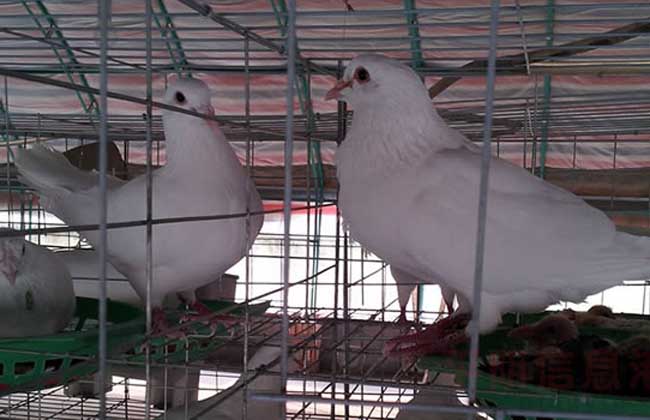
Meat pigeons, also called squabs, refers to young pigeons within 4 weeks of age. Their characteristics are: large body size, rich nutrition, and high medicinal value; they are a premium nourishing food. The meat is tender and delicious, ranking first among flesh foods. Testing has shown that squab contains more than 17 kinds of amino acids, with total amino acids reaching as high as 53.9%, and it also contains more than 10 kinds of trace elements and multiple vitamins.
The Prospects for Meat Pigeon Farming
Meat pigeon farming has a short cycle, low cost, quick returns, and high benefits; it is a breeding industry with great development prospects and also a good project for getting rich quickly.
The cost of raising meat pigeons is much lower than that of raising broiler chickens. Counting from when the hen pigeon lays eggs, after 17-18 days of incubation and 24 days of brooding, they can be sold; the rearing period is extremely short. One breeding pigeon consumes 40 grams of grain per day, and one nursing pigeon consumes 75 grams of grain per day. From hatching to sale at 30 days of age, a squab consumes a total of 1000-1500 grams of grain, making feed usage very economical. In addition, protein feed is currently expensive; the protein proportion in broiler chicken feed is as high as about 20%, while the protein proportion in meat pigeon feed needs to be only 13%. If meat pigeons are raised on a large-scale intensive basis, their feed cost is clearly lower than that of broiler chicks.
The incubation period of pigeons is 17-18 days. Squabs are initially fed pigeon milk from the crops of the parent pigeons, then gradually transition from half milk and half grain to feeding on soaked grain. Meat squabs grow extremely fast, and at 25-30 days of age their weight can reach 500-700 grams. Taking each pair of breeding pigeons producing 6 pairs per year as an example, at the purchase price currently offered by foreign trade departments, after deducting feed costs, medicine costs, and management fees, raising one pair of breeding pigeons can yield a profit of 100-150 yuan per year. If squabs are selectively bred and sold as reserve breeding pigeons at 2-5 months of age, the profit is even greater.
Issues to Pay Attention to in Developing Meat Pigeon Farming
1. Raisers must have a basic understanding and knowledge of the pigeon industry market. Squabs entering the market have requirements for age in days, weight, and specifications, as well as commercial standard restrictions on carcass skin color. Domestic and international commodity markets require squabs to be under 28 days of age, with a gross weight of 550 grams or more, and a white carcass.
2. Good breeding pigeon varieties must be selected. First of all, they must be white breeding pigeons. At the same time, the local market can be considered, and silver, gray, red, and other varieties may be appropriately selected, but the carcass must be pure white. At present, relatively good domestic varieties include White King pigeons, Deep King, White Carneau pigeons, and so on, but the key is that improved breeding pigeons must have good reproductive performance, requiring an annual production of 12——20 squabs in order to achieve better benefits. Pigeons fall within the scope of breeding poultry management. Units selling breeding pigeons must hold a breeding poultry production and operation license, and breeding units must issue a breeding pigeon qualification certificate for the breeding pigeons they sell. When buying breeding pigeons, farmer friends must first clearly understand the situation of the supplier unit before making a purchase.
3. Raising meat pigeons is a highly scientific technology. When you have not truly mastered the rearing technology, do not blindly introduce breeding stock. You should first go to a breeding unit to study and train in the technology, and then carry out rearing. Beginners had best introduce production pigeons that have already been paired and are currently laying eggs, incubating, or nursing, and that are under 2 years old. Blindly pursuing cheaper young pigeons is not suitable for beginners in pigeon raising, because young pigeons are relatively weaker in constitution. If technology and management cannot keep up, it will cause an imbalance between males and females and an unclear production situation. Furthermore, from young pigeons to breeding pigeons there is still a selection and breeding stage, and part of them still need to be culled.