What effect does excessively low temperature have in squab (young pigeon) breeding?
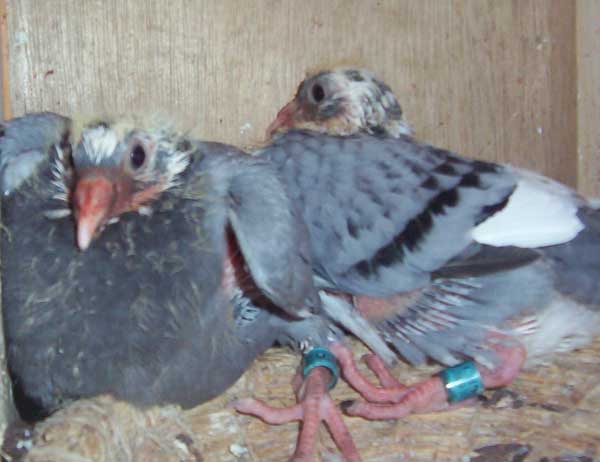
Temperatures have dropped recently. Although meat pigeons have a fairly strong cold resistance, excessively low temperatures have a great impact on the growth, development and health of squabs. Therefore, doing a good job of winter feeding management in meat pigeon breeding is a key part of developing meat pigeon production.
Cold protection and warmth are most important
Fill and seal the cracks and holes in the pigeon house walls so that the meat pigeons are not attacked by cold wind. Seal the front and rear windows tightly with plastic film. At night, hang linen curtains outside the windows and windproof curtains on the doors; this can raise the temperature inside the house. In severe winter, the pigeon house temperature must be maintained. Usually, when the pigeon house temperature is above 5°C, breeding pigeons can lay eggs, incubate and brood squabs as usual. If the temperature is below 3°C, heating facilities should be added.
Increase feed nutrition
Winter temperatures are low, so the energy contained in the feed should be higher than in other seasons.
1. Diversify feed types and ensure comprehensive nutrition. It is necessary to meet both the nutritional needs of breeding pigeons and the nutritional needs of squab growth and development. Generally, the daily ration of breeding pigeons should contain 11.7 MJ/kg to 13.4 MJ/kg of metabolizable energy and 15% to 17% crude protein. Feed formula: 45% corn, 25% soybean meal, 10% each of pellet feed, sorghum and miscellaneous beans, add 10 g to 15 g of poultry multivitamin per 50 kg of feed, feed 2 to 3 times a day, and let the meat pigeons drink water freely after eating.
2. Provide sufficient mineral feed. Formula: 30% loess, 25% fine sand, 30% shell powder, 5% each of bone meal, slaked lime and salt, and let the meat pigeons eat freely.
Strengthen daily management
1. Persist in cleaning droppings and fallen feathers from the pigeon house and pigeon cages. Often remove squab droppings from the nest pans to prevent squabs from getting sick due to manure contamination.
2. Keep the air inside the house fresh. Open doors and windows for ventilation according to weather conditions.
Prevent disease and prevent large-scale transmission
1. The pigeon house and feeding and drinking utensils should be regularly disinfected with 5% Lysol, 3% potassium permanganate or Baidusha (use according to instructions).
2. In winter, the temperature difference between day and night is large, and pigeons are prone to colds. They should be given oxytetracycline and paracetamol, 1/2 tablet and 1/4 tablet each time respectively, halved for squabs, twice a day, for 3 to 5 consecutive days.
3. To treat mycoplasmosis in meat pigeons, use 0.02% erythromycin and 0.08% tylosin in water for drinking, for 3 to 5 consecutive days. 4. If there are sick pigeons, they should be raised in isolation and treated promptly.