How to Treat Rabbit Coccidiosis? Detailed Explanation of Prevention and Treatment Methods
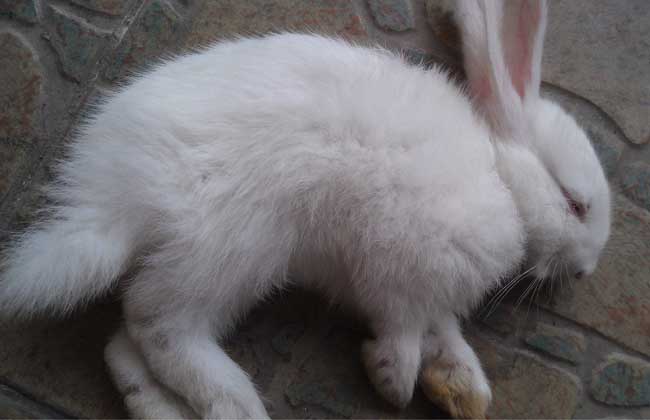
Rabbit coccidiosis is a disease caused by various species of Eimeria coccidia parasitizing the epithelial cells of the small intestine or bile ducts of rabbits. Rabbits of all breeds and ages can be infected, but rabbits aged 1 to 3 months are most susceptible, with severe illness and high mortality. Adult rabbits develop only mild disease and are mostly carriers, becoming an important source of infection. Let's take a look below at how to treat rabbit coccidiosis!
Symptoms of Rabbit Coccidiosis
Rabbit coccidiosis can be divided into three types according to the parasitic site of the coccidia: intestinal, hepatic and mixed. At the beginning, the sick rabbit has reduced appetite, is depressed, lies prone and motionless, and stops growing. Ocular and nasal secretions increase, body temperature rises, the abdomen becomes distended, with bloating, diarrhea, soiling around the anus, and frequent defecation. Intestinal coccidiosis causes intractable diarrhea, even bloody diarrhea, or alternating constipation and diarrhea. Hepatic coccidiosis causes enlargement of the liver, pain on palpation of the swollen area, and yellow staining of the mucous membranes. In the later stages of rabbit coccidiosis, neurological symptoms often appear, with spasms and paralysis of the limbs, and death from extreme exhaustion. The intestinal type causes rapid death, while the hepatic type is slower.
Prevention Methods for Rabbit Coccidiosis
1. Strengthen rabbitry management, raise adult rabbits and young rabbits separately, and immediately divide weaned young rabbits into groups and raise them individually. Ensure feed is fresh, clean and hygienic; feed should be protected from fecal contamination; clean feces from rabbit cages and exercise yards every day, and disinfect regularly.
2. Drugs such as monensin can be used to prevent this disease. Once sick rabbits are found, isolate and treat them immediately. Treatment drugs include sulfamethoxypyrimidine, furazolidone, etc.
3. When sick rabbits are found, strict control and eradication measures should be taken in accordance with epidemic prevention regulations to prevent spread. Sick rabbits should be isolated, treated or culled. Carcasses, internal organs, etc. of dead rabbits should be deeply buried or incinerated. Rabbit cages, utensils, etc. should be strictly disinfected, and rabbit manure should be piled up for fermentation. Eliminate rodents, flies and other insects in the rabbitry.
Treatment Methods for Rabbit Coccidiosis
1. Injection method
[Method] Subcutaneous injection: inject the injectable coccidiostat under the skin, where it is slowly absorbed to achieve a preventive effect.
[Advantages] Accurate dosage, guaranteed intake, and reliable effect.
[Disadvantages] Injection is rather troublesome, and the rabbit feels pain.
2. Oral administration method
[Method] Oral dosing: directly administer an oral liquid coccidiostat into the rabbit's mouth for it to swallow and absorb, achieving a preventive effect.
[Advantages] Accurate dosage, guaranteed intake, and reliable effect.
[Disadvantages] Administering the medicine is rather troublesome, causing the rabbit to become angry, or the person administering it may be bitten, or the rabbit may be injured during dosing.
3. Drinking water mixing method
[Method] Mix a liquid coccidiostat with drinking water in a certain proportion and let the rabbit drink freely, achieving a preventive effect.
[Advantages] No injection needed, no special dosing needed, saves effort.
[Disadvantages] Many rabbits drink too little water, resulting in insufficient drug intake, or the rabbit refuses to drink because the coccidiostat added to the water has an off odor, ultimately leading to failure of coccidiosis prevention.
4. Feed mixing method
[Method] Mix a powdered coccidiostat with rabbit feed in a certain proportion and let the rabbit eat freely, achieving a preventive effect.
[Advantages] No injection needed, no special dosing needed, saves effort.
[Disadvantages] The medicinal powder has poor adhesion, making it difficult to mix thoroughly with the rabbit feed and attach completely to the surface of the feed. In addition, many young rabbits eat irregularly, or the rabbit refuses to eat because the coccidiostat added to the feed has an off odor, resulting in insufficient drug intake and ultimately leading to failure of coccidiosis prevention.
5. Feeding feed containing a coccidiostat
[Method] Rabbit feed producers pre-add the coccidiostat to the rabbit feed, and the rabbit indirectly ingests the coccidiostat by eating, achieving a preventive effect.
[Advantages] No injection needed, no special dosing needed, saves effort.
[Disadvantages] If the rabbit feed has poor palatability, it will lead to insufficient drug intake and ultimately failure of coccidiosis prevention.