How to best raise a Panda Rabbit? Detailed Raising Methods and Tips
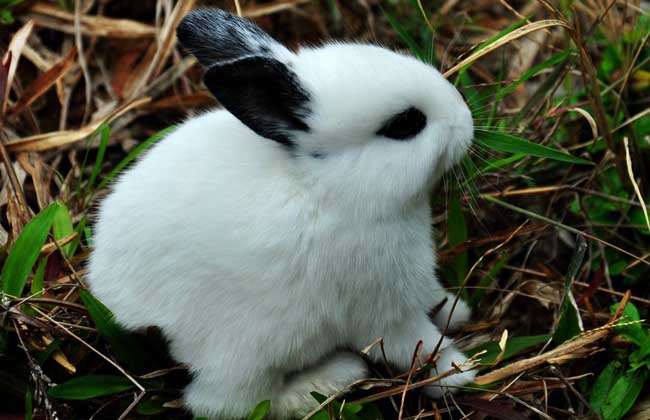
The Panda Rabbit generally refers to the Dutch Rabbit, also known as the Holland Rabbit, Dottie Rabbit, Mouse Rabbit, etc. Its body coat is white, with black fur on the nose, mouth, eye rims and ears. The clearly black-and-white eye lines make it look just like a panda, and its appearance is very endearing. Its highly imaginative look has made it a very popular pet rabbit in Europe, America and Australia. Let's take a look below at how to best raise a Panda Rabbit!
What food does the Panda Rabbit eat?
The foods that Panda Rabbits like to eat include carrots, sweet potatoes, cabbage, pumpkin, spinach, cucumber, radish leaves, oranges, bananas, grapes, apples, plantain, dandelion, chickweed, okara, bread, etc. On the market you can also find a granular artificial feed for Panda Rabbits, which has the advantages of balanced nutrition and a hardness that is good for the teeth. If you don't mind the expense, this is also a very good feed. When raising them, you can use artificial feed as the staple food and just provide a small amount of vegetables or wild grass.
Living Habits of the Panda Rabbit
1. Timid and fond of quiet: Panda Rabbits are very timid. When they suddenly hear a noise, they show a "startle response", and their appetite declines. A mother rabbit that is giving birth, when disturbed, often experiences difficult labor or refuses to nurse the young rabbits. Apart from moving and eating, they like to rest and sleep, and they become alert at once at any sound. Therefore, it is very important to choose a quiet and comfortable environment for raising this rabbit.
2. Cold-tolerant and heat-intolerant: The Panda Rabbit's fur is very thick and can resist severe cold. Adult rabbits can withstand temperatures below zero degrees, and can breed in winter at around 5°C. Panda Rabbits are very afraid of heat, because their sweat glands are underdeveloped and they cannot regulate body temperature by sweating. So when the outside temperature is too high, Panda Rabbits often lie on the ground to dissipate heat through conduction from the ground, or increase their breathing rate to release heat through exhalation.
3. Resting by day and active by night: During the day, apart from eating, Panda Rabbits like to rest or sleep in the cage, but at night they are unusually active and eat frequently. Their food intake at night accounts for about 75% of the total daily ration, so when raising rabbits you must insist on feeding night grass.
4. Fond of burrowing: Panda Rabbits like to dig burrows and live in them. When raised free-range, they dig burrows even more frequently before each breeding period. This point should be noted in the design and materials when building rabbit housing. According to this habit of the Panda Rabbit, you can use mountainous and hilly areas with good climate for burrow raising.
5. Same-sex aggression: When adult male Panda Rabbits meet, they chase and bite each other, and female rabbits also bite each other when together. When males and females are together, they mostly get along harmoniously. Therefore, when managing them, try not to keep adult male rabbits or adult female rabbits together.
Feeding Taboos for the Panda Rabbit
1. The Panda Rabbit's food should be fresh vegetables and fruits, and should be fed after being washed clean.
2. Do not give the Panda Rabbit food that is too icy, too hot, too spicy or cooked.
3. Artificial feed given to the Panda Rabbit should be measured appropriately, to avoid wasting feed or the rabbit becoming overweight from eating too much feed.
4. Do not casually pick flowers and grasses from the roadside to feed the Panda Rabbit.
5. The Panda Rabbit should be fed at fixed times and fixed locations every day, to develop good eating habits.
6. If you want to change the feed, replace a portion of the feed each day and do it gradually, to avoid gastrointestinal discomfort in the Panda Rabbit.
7. Let the Panda Rabbit have a certain amount of exercise time every day, which helps digestion.