What are the breeding methods for keeping Angora rabbits safe through the winter?
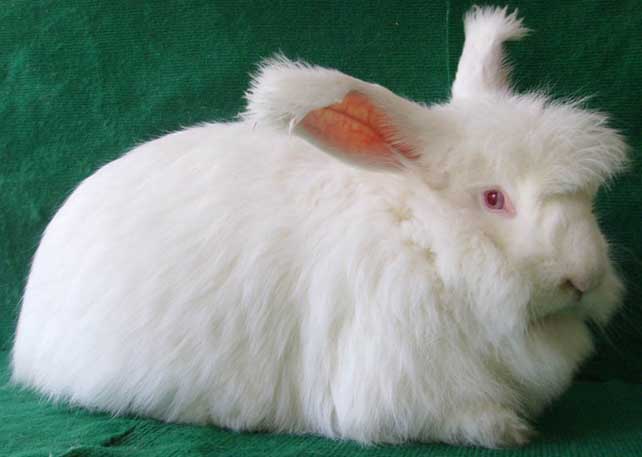
Because winter temperatures are low, sunshine hours are short, and green fodder is scarce, raising Angora rabbits becomes somewhat difficult. The focus of management is to do a good job of cold protection and insulation. Below, the editor of Qiannong Network will briefly discuss with you how to keep Angora rabbits safe through the winter!
Do a good job of cold protection and insulation
Although winter temperatures are low, except for newborn kits, the temperature in Angora rabbit housing does not need to be very warm; it only needs to be relatively stable, and sudden changes from cold to hot and hot to cold must be avoided. When raising rabbits indoors, doors and windows should be closed tightly to prevent drafts from invading. For outdoor rabbit hutches, straw curtains should be hung on the doors to prevent cold wind from entering.
Strengthen feeding management
In winter when it is cold, bedding straw in the nest boxes of kits should be changed frequently to keep them dry; during cold waves, wool clipping should be stopped, and if wool must be collected, it is best to do it in the middle of the day or afternoon when the temperature rises and there is sunlight; regardless of size, all rabbits should have a small amount of dry grass spread in the hutch to prevent them from freezing at night.
Increase feed supply
In cold winter, Angora rabbits consume a large amount of energy, so the feed amount should be increased by 20%-30% compared with usual. When mixing feed, the proportion of energy feed should be appropriately increased, such as corn, barley, sorghum, etc. Powdered feed should be mixed with warm water, and feeding should be done in small amounts and frequently to prevent leftover feed from freezing and damaging the gastrointestinal tract after consumption. In addition, efforts should be made to feed some vegetable leaves, carrots, barley sprouts, etc. every day to supplement vitamin deficiencies.
Do a good job of winter breeding and mating
Angora rabbits bred in winter have the advantages of well-developed hair follicles and high wool yield, so areas with the conditions should do a good job of winter breeding and mating. Practice shows that as long as cold protection and insulation work is done well, the survival rates of winter-bred kits and young rabbits are relatively high, but winter-bred kits should have a longer lactation period, and generally blood mating (mating 3 days after the doe gives birth) should not be used; it is advisable to breed 1 litter.
Winter wool collection techniques
Winter is favorable for rabbit wool growth. The wool collection method is generally pulling wool, and when pulling wool, long hairs should be pulled and short ones left, once a month. Pulling wool can promote blood circulation, increase rabbit wool yield, and raise the proportion of coarse hair. This method is especially suitable for individuals with low coat density. However, wool pulling is not suitable for young rabbits, pregnant does, or lactating does.