Detailed Explanation of Key Technical Points for Rabbit Rearing Management in Summer
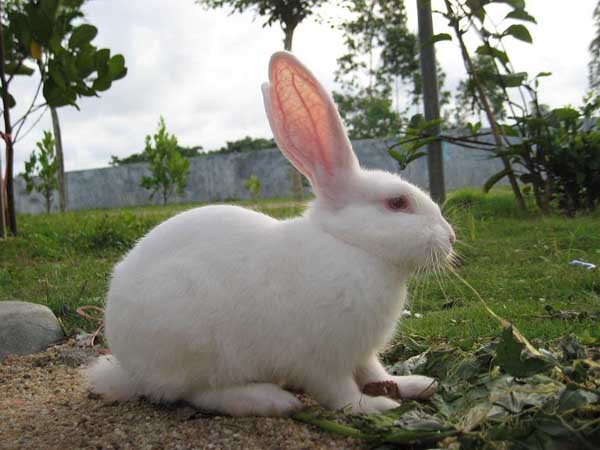
Summer weather is hot, with high temperatures and high humidity, which makes it a very unfavorable season for rabbit rearing. Because rabbits have underdeveloped sweat glands and poor heat tolerance, their feed intake declines in high-temperature environments. At the same time, heat and humidity favor the spread and reproduction of various bacteria and viruses, posing a great threat to the rabbit industry. Therefore, the following work must be done well:
Avoid Breeding in Summer
Summer is hot and rainy, and female rabbits come into estrus abnormally and are not easy to conceive. The few that do conceive and give birth also suffer from poor appetite due to the heat, resulting in insufficient milk and poor development of the kits, and poor management can easily lead to the death of the kits. Even if they survive, their poor development and weak constitution make them susceptible to coccidiosis infection and mass death after weaning. Some pregnant rabbits often suffer heatstroke due to high temperatures, causing miscarriage and difficult birth. Male rabbits often suffer testicular atrophy due to high temperatures, with reduced semen quality and more dead sperm, making successful mating difficult. Therefore, breeding should be stopped in summer.
Prevent Heatstroke and Cool Down, Reduce Humidity
Open-air rabbit houses should be fitted with shade shelters to block the sun and avoid direct sunlight on the rabbit cages. Indoor houses should have doors and windows opened wide to allow air convection, cooling and dehumidification. For wool rabbits, the entire body coat, including the hair on the head and face, should be cut short, and the rabbit cages should not be too crowded. The ideal temperature for rabbits to live in is 15°C-25°C. If the rabbit house temperature is above 30°C, when the house temperature exceeds 30 degrees, water should be sprinkled on the cage house floor (if conditions permit, electric fans, exhaust fans, air conditioners, water curtains, etc. can be installed) to cool down.
The ideal relative humidity inside a rabbit house is 55%-65%. If it is higher than 80%, rabbits will develop gastroenteritis, coccidiosis, fungal diseases, sarcoptic mange, etc. The rabbit house should be ventilated in a timely manner. If high temperatures and rain continue, some dry sandy soil should be spread inside the rabbit house or some quicklime placed to achieve the purpose of reducing humidity.
Reduce Density
Rabbit cages should not be set too crowded, and the rearing density inside the house should not be too high; otherwise, the air will become foul, and the concentration of harmful gases such as carbon dioxide and ammonia will be too high, causing respiratory diseases in rabbits. Young rabbits should be raised separately in divided cages to reduce rearing density and keep the air inside the rabbit house fresh. Unweaned kits should be raised in spacious cages and kept in separate cages from the female rabbit, with scheduled nursing. Weaned young rabbits, after adapting for 1-2 weeks, can be raised 2-3 per cage or one rabbit per cage to ensure body heat dissipation.
Provide Sufficient Clean Drinking Water
When the temperature inside the house reaches 25°C, the water intake of rabbits begins to increase. At this time, rabbits must be ensured fresh, clean and sufficient drinking water, and 0.8% salt or multivitamins should be added to the water to help cool them down while replenishing the consumption of body fluids in rabbits.
Keep Quiet
Rabbits are timid and afraid of disturbance. In rearing and management operations, movements should be gentle to avoid sounds that easily startle the rabbit herd. Keep the rearing personnel stable, do not catch rabbits easily, prevent strangers from entering the rabbit house, and prevent attacks by dogs, cats, rats, etc. that cause stress in domestic rabbits. At the same time, during the day, as long as there is sufficient drinking water in the rabbit house, try not to feed the rabbits, so as to facilitate full rest for the rabbits, promote their growth and help them safely pass the summer.
Feed Carefully
Use a reasonable feed formula, prepare fresh feed, pay attention to feed quality, and strictly prohibit feeding spoiled, moldy feed, as well as wild grass carrying rainwater or dew. It is advisable to feed breakfast early, add bran water at midday, feed dinner late, and also feed more green fodder. The feeding time should also be adjusted, that is, from 8 p.m. to 7 a.m. the next day as the feeding time, divided into 4-5 feedings. At other times, do not feed as much as possible, allowing the rabbits to rest fully. In particular, feed once after 10 p.m., provide sufficient drinking water, and add 1% salt to the drinking water to supplement the consumption of salt in the body. Try to make the feed varied, with green fodder as the main part and concentrated feed as the supplement. Generally, green fodder should be controlled at 35% of body weight, with meeting the needs as the standard. According to the nutritional needs of physiological stages such as growth, pregnancy and lactation, the supplemental amount of concentrated feed is 50-100 grams per rabbit per day. In a mixed daily ration mainly composed of gramineous seeds and their by-products, 10-20% soybean cake protein feed should be added, with 15-17% protein, and attention should be paid to the supplementation of minerals.
Strengthen Hygiene and Disinfection
Manure and pollutants in the rabbit house should be removed every day to keep the rabbit house clean, dry, quiet and well ventilated. Feed troughs and water troughs should be washed frequently and disinfected regularly with 0.1-0.5% potassium permanganate or caustic soda.
Actively Prevent and Treat Diseases
Summer has high temperatures and high humidity, and common diseases are mainly intestinal infectious diseases and coccidiosis, etc. Therefore, starting before the dog days, some chopped plantain, dandelion, scallions, garlic, etc. can be added to the feed and fed continuously for two weeks. Use Xiao'er An, oxytetracycline and Rendan, etc. mixed into the feed to feed the kits, preventing disease while keeping the rabbits healthy. Inoculation and epidemic prevention work should also be done well. Persist in observing the rabbit herd every day so that problems can be found in a timely manner, achieving early prevention when there is no disease and early treatment when there is disease.