Key Technical Points and Methods for Hybrid Hare Farming
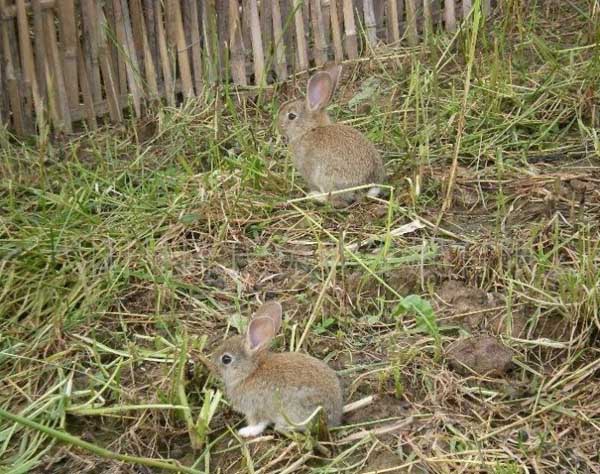
The hybrid hare is an extremely precious fur-and-meat rabbit in the world with great development value. Ecological farming of hybrid hares is a top choice for hotels and farmhouse restaurants, and it is also becoming increasingly popular in the livestock farming category. Today, farming hybrid hares can not only meet our goals but also bring substantial profits to specialty breeders. Let us take a look at hybrid hare farming technology together below!
Nocturnal Feeding Behavior
Hybrid hares have the characteristic of being quiet by day and active by night. During the day they are listless, resting with eyes closed, and eat very little. At night they are energetic, eating and drinking more, accounting for over 70% of their total daily feed intake. Therefore, when raising hybrid hares artificially, they should be fed enough forage and given enough water at night, and breeders with the means can add one feeding late at night. However, during the mating season, hybrid hares break all their own rules, burning with passion, and in warm years they will mate from January all the way to October.
Somnolence
Hybrid hares often rest with their eyes closed during the day, in a state of quiet crouching or sleep. At this time, apart from auditory stimuli, other stimuli do not easily excite them. Based on this habit, besides ensuring normal feeding, watering and daily management work, keepers should maintain quiet in the rabbit shed and surrounding environment, and try not to disturb the hybrid hares' sleep during the day.
Reproductive Behavior
The hybrid hare is a polygamous animal, so male hybrid hares always want to mate with as many female hybrid hares as possible. They usually busily search for female hybrid hares, spending a great deal of time on this, but the time actually spent living together with a female hybrid hare is at most only one or two days. After that, the male hybrid hare continues its free wandering life, leaving only the female hybrid hare to care for the upcoming young lives.
Solitary Nature
Although hybrid hares have a social nature, it is very weak. When raised in groups, regardless of whether male, female, or same-sex adult hybrid hares, fighting phenomena often occur, especially among male hybrid hares.
Unique Characteristics
The hybrid hare and the domestic rabbit both belong to the order Lagomorpha. The domestic rabbit's body size is much larger than that of the hybrid hare, and the hybrid hare also has ears much smaller than those of the domestic rabbit. In addition, the hybrid hare's hind legs are longer and stronger than those of ordinary domestic rabbits. Hybrid hares do not dig burrows to hide in themselves; they live in the open and rely on their running speed to escape pursuing natural enemies. To maintain body temperature in the open, the hybrid hare's coat is relatively thick.
Peculiar Characteristics
Hybrid hares have some peculiar habits. Generally speaking, they are very timid, but in critical moments, they will suddenly bravely charge at an enemy and kick several times with their hind legs to drive the intruder away. The hybrid hare's hind legs are very powerful, enabling the rabbit to leap over a 2.2 m high wall and cross a 3 m wide ditch. It is said that when a rabbit is being pursued by an eagle, it sometimes performs the feat of a rabbit kicking an eagle, fighting to an outcome of both the eagle and the rabbit dying.
Alertness
Hybrid hares are timid animals. When encountering enemies or harm, they can rely on keen hearing to make judgments. Sudden noises, strangers, or unfamiliar animals such as cats and dogs can all make hybrid hares frightened and uneasy.
Summary: Hybrid hare fur is a precious fur material for making garments, and it is also a high-grade nutritious and bodybuilding meat. It is in great demand in both international and domestic markets, especially in regions such as Europe, the Americas and Southeast Asia, where it has long been in short supply and requires sustained large-scale imports. To raise hybrid hares well, understanding their living habits is a prerequisite. Let us take a look at hybrid hare farming technology together below!
Feeding and Management of Baby Rabbits
Baby rabbits have incomplete body development but grow rapidly, with poor regulatory function, weak adaptability and low resistance. According to their growth and development characteristics, feeding and management are divided into two stages, namely the sleeping period and the eye-opening period. During the sleeping period, besides taking effective measures to let the baby rabbits drink enough milk, good work should be done in cold protection and warmth, mosquito prevention, rat elimination, disease prevention, and suffocation prevention, while also maintaining cleanliness and hygiene inside and outside the box. The feeding focus during the eye-opening period is supplementary feeding and weaning, feeding a small amount of nutrient-rich, easily digestible, good-palatability feed, mixed with a small amount of minerals and antibiotics, fed 5-6 times a day, small and frequent meals, gradually increased until weaning. The management focus is to separate mother and young into different cages when the baby rabbits are 15 days old, nursing once every 12 hours. Often change the bedding straw, and wash or replace the nest box. After each feeding, the mother rabbit brings them to the exercise yard for appropriate exercise. Regularly check health conditions.
Feeding and Management of Breeding Male Rabbits
Breeding male rabbits are required to be well developed, physically strong, with vigorous libido and moderate body condition. Feed is required to have high nutritional value, be easily digestible, have good palatability, and contain rich protein and appropriate amounts of minerals and vitamins to improve semen quality. In management, male and female rabbit cages should be kept at a certain distance to avoid stimulation between the sexes. When mating, the female rabbit should be caught and placed in the male rabbit's cage. Generally, mating is done 2 times a day; for young male rabbits mating for the first time, once a day, for 2 consecutive days followed by one day of rest. Breeding male rabbits should not be mated during the molting period.
Feeding and Management of Breeding Female Rabbits
1. Non-pregnant period: The non-pregnant period is the period from when the baby rabbits are weaned to the next mating and conception. At this time, sufficient nutrients must be supplied, such as high-quality green feed and an appropriate amount of concentrated feed, to promote recovery from the physical decline caused by the consumption during the lactation period, so that it can come into estrus normally and be mated at the appropriate time.
2. Gestation period: Perform a pregnancy check 4-5 days after the female rabbit is mated. If pregnancy is confirmed, nutrition should be strengthened. To have good baby rabbits, improving the quality and quantity of feed is extremely important, and the feed amount should also be increased accordingly. As the fetus develops, supplement with soybean cake, soybean residue, wheat bran, bone meal and salt. Three days before giving birth, reduce concentrated feed and give more green feed. During the gestation period, strengthen care to prevent miscarriage. Miscarriage in female rabbits generally occurs 15-20 days after pregnancy. Miscarriage is like normal birth, carrying straw and pulling fur to build a nest, but the delivered fetus is eaten by the female rabbit. The causes of miscarriage are excessive catching, being frightened, eating spoiled feed, and drinking cold water on cold days. To prevent miscarriage, eliminate the factors that may cause it.
3. Lactation period: The milk that the female rabbit provides to the baby rabbits is rich in nutrients. The consumption of these nutrients (milk) must be extracted from feed, so in feeding, the feed amount should be increased, and the daily ration should consist of green and succulent feed as well as concentrated feed and minerals. In management, frequently check lactation conditions, clean the rabbit cage every day, change the bedding straw, wash the feeding utensils, and also disinfect once a week.
Precautions in Feeding and Management
1. Feed combination: Hybrid hare feed should be diversified and reasonably matched. Legume, grass family and aster family plants should be chosen more, with green feed as the main part, and about one or two qian of concentrated feed supplemented daily. Based on the nutrient content, make up for each other's deficiencies to meet the various nutrients needed for the growth and development of hares. Never use a single type of feed. At the same time, prepare winter feed well; you can plant green feed such as ryegrass and radish.
2. Fixed time and fixed amount: Hybrid hare feeding should have a certain number of times, timing and amount, to develop an eating habit, and they must not suffer hunger or overeat, so as to avoid digestive tract diseases.
3. Pay attention to hygiene: Sweep the rabbit cage every day, remove rabbit droppings daily, select and brush feeding utensils, frequently change bedding straw, disinfect regularly, keep the rabbit shed clean and dry, pay attention to feed quality, do not feed moldy, rotten or toxic feed, and drinking water must be clean.
4. Group management: Divide into groups according to the three factors of age, sex, and production mode. Where conditions permit, regularly give the hares exercise to maintain their wild nature.