What are the housing environment requirements for wild hare farming?
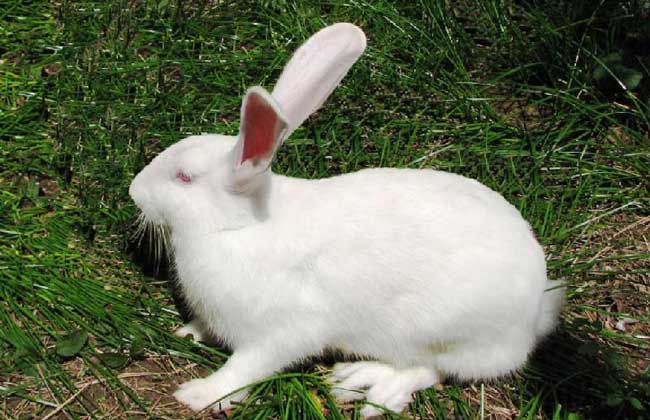
The housing environment for wild hare farming is closely related to the growth, development, health and reproduction of wild hares. Many factors affect the housing environment, such as temperature, humidity, ventilation, lighting, noise, dust and so on.
Temperature
Wild hares have extremely underdeveloped sweat glands and a dense coat on the body surface, so they are quite sensitive to ambient temperature. According to experiments, the optimum temperature for young wild hares is 30-35 °C, for juvenile wild hares 20-25 °C, and for adult wild hares 15-20 °C. Ambient temperature should be taken into account when building the housing. Wild hares have a strong tolerance for low temperatures; healthy wild hares can still survive normally at -40 °C, though they need to consume more nutrients to maintain body temperature.
Humidity
Wild hares prefer a dry environment, and the most suitable relative humidity is 60%-65%, which generally should not be lower than 55% or higher than 70%. High-temperature and high-humidity environments as well as low-temperature and high-humidity environments are harmful to wild hares: they are neither conducive to heat dissipation in summer nor to heat preservation in winter, and they also make the animals prone to infection with internal and external parasitic diseases.
Production practice shows that excessively high air humidity often makes the cages and housing damp and soiled, contaminating the coat and favouring the reproduction of bacteria and parasites, which causes the spread of mange and eczema. Conversely, if the air in the hare housing is too dry and humidity stays low for a long time, the respiratory mucosa becomes dry and cracked, leading to bacterial and viral infections.
In view of the above, the humidity inside the hare housing should be kept as stable as possible. The faeces and urine excreted by wild hares, the water vapour they exhale, and the water used to wash the floor are the main causes of increased humidity in the housing. To reduce humidity inside the housing, ventilation can be strengthened, or quicklime, plant ash and the like can be spread; during rainy and humid seasons, water should be used for washing as little as possible when cleaning the housing.
Ventilation
Ventilation is a good way to regulate the temperature and humidity of wild hare housing. Ventilation can also remove foul gases, dust and excess water vapour from the housing, and can effectively reduce the incidence of respiratory diseases. The faeces and urine excreted by wild hares and contaminated bedding can, under certain temperature conditions, decompose and release harmful gases such as ammonia, hydrogen sulphide and carbon dioxide. Wild hares are highly sensitive animals, and their tolerance to harmful gases is lower than that of other animals. When wild hares are kept in an environment with high concentrations of harmful gases, they are highly prone to respiratory diseases, and the spread of pasteurellosis, infectious coryza and the like is aggravated.
Ventilation methods can generally be divided into two types: natural ventilation and mechanical ventilation. Small farms often use natural ventilation, regulating it through air convection via doors and windows or through exhaust openings and air inlets in the roof. Large and medium-sized hare farms often use exhaust-type or supply-type mechanical ventilation; this method is mostly used in hot summers and serves as an auxiliary form of natural ventilation. The suitable wind speed inside the hare housing is 0.4 m/s in summer and 0.1-0.2 m/s in winter. It should be stressed that the hare housing must be strictly protected against draughts in winter. To reduce the concentration of harmful gases in the housing, the air inside can also be kept fresh by frequent cleaning, frequent washing and strengthened ventilation.
Lighting
Lighting plays an important regulatory role in the physiological functions of breeding wild hares. Suitable lighting helps enhance the metabolism of wild hares, improves appetite and promotes calcium and phosphorus metabolism; insufficient lighting can lead to a decline in libido and conception rate in wild hares. In addition, lighting also has the functions of sterilisation, keeping the hare housing dry and preventing diseases. Male and female wild hares have different lighting requirements. Generally speaking, breeding female wild hares require long lighting, preferably 14-16 hours of light per day, showing a high conception rate and a large number of offspring, which gives the best reproductive results. Under long lighting conditions, the semen quality of breeding male wild hares declines, and 10-12 hours of light per day gives the best results. Small wild hare farms generally use natural lighting, and the lighting area of doors and windows of the housing should account for about 15% of the ground area, but direct sunlight should be avoided; large and medium-sized wild hare farms, especially intensive hare farms, mostly use artificial lighting or artificial supplementary lighting, with incandescent light being preferable as the light source, at 3-4 watts per square metre of ground, with lamps generally 2-2.5 m above the ground.
Noise
Noise is one of the important environmental factors. According to experiments, sudden noise can cause pregnant female wild hares to miscarry, and lactating female wild hares to refuse to nurse. There are mainly 3 sources of noise: first, sounds coming in from outside; second, sounds produced by machinery and operations inside the housing; third, sounds produced by the wild hares themselves when feeding, moving about and fighting. If wild hares encounter sudden noise, they become panicked and frantic, jumping about wildly, stamping their feet and screaming, which leads to loss of appetite and even death.
In order to reduce noise, the construction of hare housing must be far away from high-noise areas such as highways, railways, industrial and mining enterprises, and so on, so as to avoid interference from outside noise as much as possible; feeding and management operations should be light and steady, keeping the hare housing as quiet as possible.
Dust
Dust in the air mainly consists of dry dust raised by the wind and large amounts of dust produced in feeding and management work, such as sweeping the floor, turning over bedding, and distributing hay and feed. Dust has a direct impact on the health of wild hares. Dust falling on the body surface of hares can mix with sebaceous gland secretions, hare hair, dander and the like, hindering normal skin metabolism; dust inhaled into the body can also cause respiratory diseases such as pneumonia and bronchitis; dust can also adsorb water vapour, toxic gases and harmful microorganisms in the air, causing various allergic reactions and even infection with multiple infectious diseases. In order to reduce the dust content in the air of the hare housing, attention should be paid to the operating procedures of feeding and management; it is best to change from mash feed to pelleted feed and to ensure good ventilation performance of the hare housing.