Key points of scientific management techniques for raising young rabbits
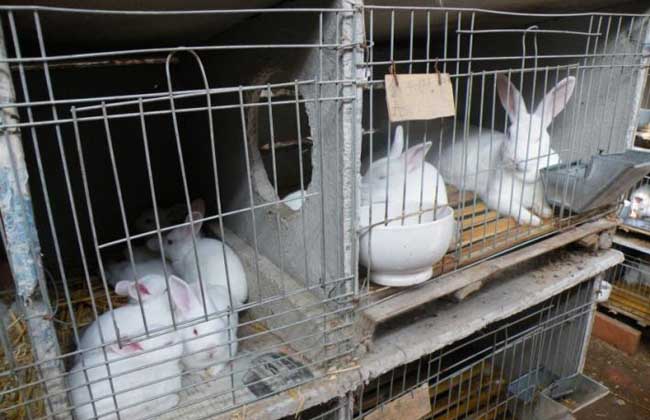
Young rabbits refer to domestic rabbits from weaning to 90 days of age. Young rabbits are relatively difficult to raise; if feeding and management are not strengthened, the mortality rate is very high. The key points of scientific management techniques for young rabbits are as follows:
Reasonable grouping
Newly weaned young rabbits should be grouped according to body size and physical condition. Those that are small and weak must be cared for carefully. No more than 4 rabbits per cage. Throughout the entire feeding period, try not to change cages or alter the groups.
Careful feeding
In the first one or two days after weaning, young rabbits are often restless and have poor appetite. Therefore, the feed should be as similar as possible to that before weaning, fed several times a day, with the amount gradually increased. After they adapt, the feed varieties should be diversified. The feed should be fresh, nutritionally complete, and easy to digest. Concentrate and roughage should be reasonably matched. The crude fiber content in the diet should be around 15·, and the crude protein should reach 17%. Feed each rabbit 40-60 grams of concentrate and 300-400 grams of green feed per day. As the age in days increases, gradually add green and roughage feed.
Provide suitable temperature
Whether the temperature is suitable in the early weaning period has an important relationship with improving the survival rate of young rabbits. Experiments show that 45-day-old young rabbits at a temperature of 18-20°C gain weight faster and have a lower mortality rate than those kept in an environment of about 10°C. Therefore, within two weeks after weaning, the barn temperature should be controlled at 15-20°C as much as possible. If the room temperature is too high or too low, it will affect the daily weight gain and survival rate of young rabbits.
Do a good job in disease prevention and control
Keep cages and sheds dry, clean, and ventilated. Regularly disinfect with a 5% lysol solution. Pay attention to feed hygiene. Do not feed spoiled or deteriorated feed. Wash and dry the mud on green feed before feeding. Also choose to feed some antibiotics and anti-coccidial additives to control the occurrence of enteritis, diarrhea, and coccidiosis.