What methods are there for keeping hares warm in winter?
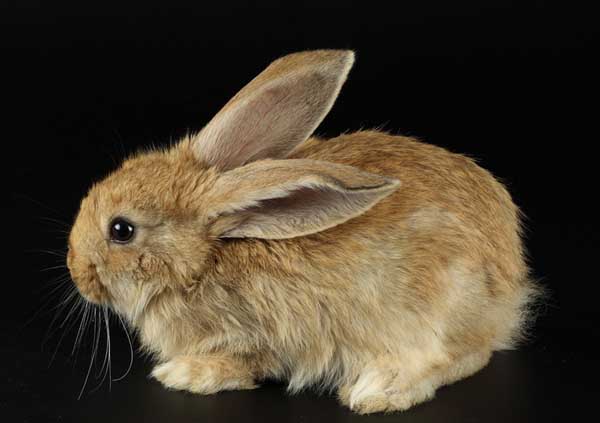
The hare is a new species farmed in recent years. Its meat is more flavorful than that of domestic rabbits, its disease resistance and vitality are stronger, and its market price is also higher than that of domestic rabbits, so many small and medium-sized investors have been developing specialty hare farming one after another. However, at present many farmers lack experience in keeping hares warm in winter, which leads to a decline in their production performance and reduced economic returns.
External cold-proofing and warming measures for the rabbit shed
1. Thicken the roof
A 5-10 cm thick layer of straw can be spread over the roof, or an insulating layer of thermal foam plastic can be installed underneath, so that cold wind cannot blow into the rabbit shed and heat is not easily lost through the roof.
2. Install wind-blocking materials outside the rabbit shed walls
Use wooden boards, straw curtains, plastic film, straw bundles or straw bags and other coverings to seal tightly the places around the rabbit shed that are exposed to wind or leak air, preventing cold wind from entering; piling an appropriate amount of straw outside the north wall of the rabbit shed also has a wind-blocking and warming effect. Usually plastic film is wrapped around the outside of the rabbit shed walls and fixed with iron nails and wooden strips, and the insulating materials can be recycled.
3. Thicken doors and windows
Make the doors and windows on the rabbit shed walls double-layered, or use glass plus film, for a better insulation effect.
4. Do a good job of insulation and ventilation
On cold days, open the doors and windows for ventilation after 10 a.m. each day; if raised in open pens, release the hares into the exercise yard, and after 4 p.m. close the doors and windows properly according to the temperature. This is an important task for keeping warm. During ventilation, because moist air and harmful waste gases tend to accumulate in the lower layer of the space, opening the ground-level windows is more helpful for expelling moisture from the shed and keeping the shed environment dry.
Internal cold-proofing and warming measures for the rabbit shed
1. A warming room should be set up in the breeding shed for does
When the temperature is below 18°C, in order to maintain a normal living environment for the kits, a warming room is needed. A heater or electric stove can be used to appropriately warm the breeding rabbit shed, or a stove fire can be used for heating inside the shed. To prevent carbon dioxide poisoning, pipes must be used to exhaust the waste gas properly.
2. Reasonable warming for sheds of young rabbits and growing rabbits
① Increase the stocking density of rabbits in the shed. In cold seasons, the stocking density in rabbit cages should be increased by 30%-50% compared with summer and autumn, letting the rabbits sleep close together, which can raise the shed temperature.
② Arrange flexibly. According to the characteristics that younger rabbits need higher temperatures and older rabbits have a stronger ability to resist cold, younger and smaller rabbits can be placed on the upper layer where the room temperature is higher, and older rabbits can be placed on the lower layer where the room temperature is lower.
3. Equip the breeding rabbit shed with air conditioning
Equip the breeding rabbit shed with air conditioning so that rabbits to be bred live in a shed at 18-28°C. At such temperatures, does have a high conception rate and mating is more likely to succeed.
4. Use the biogas from the rabbit farm's biogas digester to assemble a heating system
Install a biogas-fired hot water boiler and use hot water pipes for heating (similar to the heating radiator system of buildings in the north), so that the rabbits can lie on the floor. The temperature in the shed should preferably be kept above 18°C, and during operation the temperature also needs to be adjusted according to the constitution of the old, young, weak and sick rabbits kept in each rabbit shed.
5. Spread dry bedding in the cages and ventilate in a timely manner
Set wooden boards where the rabbits lie and put dry rice straw on them to reduce the loss of body heat from the rabbits. At noon on clear days, you can take advantage of the high-temperature period to release the rabbits into the exercise yard to bask in the sun, which helps speed up the rabbits' blood circulation and strengthen their constitution; open the doors, windows and ground-level windows for moderate ventilation to promote air circulation in the shed, and at the same time expel moisture and harmful gases from the shed.
6. Remove manure and urine at regular times
Because there is a lot of manure and urine in the rabbit shed and the humidity is high, the interior becomes even more damp and cold, and there are many harmful gases, which easily cause respiratory diseases in hares. Therefore, removing manure and urine in a timely manner can greatly reduce the humidity in the shed and raise the temperature. Training open-pen rabbits to defecate outside the shed and eat and live inside the shed will reduce the humidity in the rabbit shed and improve the air as well. For rabbit sheds with floor manure and urine gutters, after washing the floor, the openings connecting the inside and outside of the shed must be blocked with wooden boards to prevent cold wind from entering.
7. Adopt the dry manure cleaning process
In cold and rainy weather in winter, rabbit manure should be collected by sweeping and shoveling, and the amount of water used for washing inside the shed should be minimized, so as to reduce heat loss in the shed and lower the humidity in the shed.
8. Turn on hot air facilities
Electric hot air furnaces and coal-heated hot air furnace heating devices are mostly used to deliver warm fresh air to the doe kindling shed and the young rabbit rearing shed. In winter, the air in the rabbit shed is required to be warm and dry. When the temperature of the doe kindling room is 20-23°C, it helps increase the survival rate of the kits; when the temperature of the young rabbit rearing shed is 20-24°C, diseases are reduced and growth is good.
9. Feed warm water
A lack of water in the rabbit body often causes indigestion, reduced appetite, metabolic disorders, and decline in body condition. Therefore, hares raised in confinement must be supplied with enough warm water at around 20°C in cold seasons. The hot water pipes of the biogas-fired hot water boiler can be used to provide clean hot water as the water supply for the rabbit farm (for supplying drinking water to the rabbits, mixing feed and washing water), and at the same time pay attention to water leakage problems in the water supply system and automatic drinkers, to prevent excessive humidity in the shed caused by water leakage.
10. Change wet disinfection in the shed to flame disinfection
Wet spray disinfection in the shed increases the humidity in the shed, which is not conducive to keeping the rabbit farm warm and dehumidified in winter. Using a liquefied gas spray gun to carry out one-time high-temperature flame spray disinfection on objects in the rabbit farm that are not afraid of fire can both achieve the purpose of disinfection and raise the ambient temperature in the shed, killing two birds with one stone. Flame disinfection is especially suitable for the disinfection of doe kindling sheds and young rabbit rearing sheds, as well as for removing rabbit hair from rabbit sheds and cages and disinfecting the environment when hares are molting.