What precautions should be taken when using quicklime in rice field eel ponds?
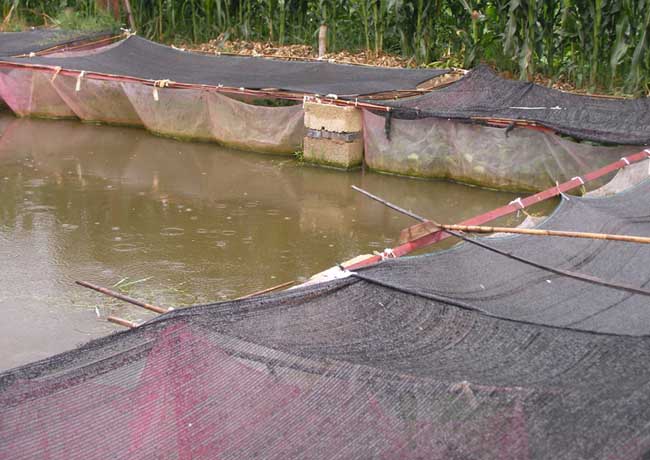
In rice field eel farming, the usual concentration used is 25 ppm (25 grams per 1 cubic meter of water). The method of application in eel ponds is: weigh out the corresponding weight of quicklime, add it to water (such as in a plastic bucket filled with water), stir it with a tool to dissolve it thoroughly, let it stand for a short while to clarify, then take the clear liquid from the top and splash it evenly over the pond. The chemical name of quicklime is calcium oxide (CaO). Because it is cheap and abundantly available, and because when dissolved in water it reacts chemically with water to produce a large amount of alkaline substance (calcium hydroxide), raising the pH of the water and thereby inhibiting or killing bacteria, it is widely used in aquaculture.
It should be noted that the dosage of quicklime is fairly strict and must not be increased arbitrarily, otherwise it may harm the rice field eels in the pond. Professor Kuan and others conducted experiments on this. The experimental situation was: when rice field eels were stocked into water with a quicklime concentration of 50 ppm, the eels immediately became restless and darted about wildly toward the water surface, and this phenomenon continued until just before death. A large amount of flocculent material appeared in the test water; this was the product of the reaction between the mucus on the body surface of the rice field eels and the quicklime. All dead rice field eels had secreted large amounts of mucus on the body surface, red and swollen anuses, patchy or blocky red spots on the neck, congestion in the head, and congestion in the gill cavity with clotted blood clots. Even replacing the water with clean water after about 2 hours could not stop the deaths. In the test group with a slightly lower quicklime concentration, the mortality rate of the rice field eels within 5 hours and 24 hours was significantly lower, but as time went on, the cumulative mortality rate rose. In the test group treated with a concentration of 50 ppm, the mortality rate reached 100% by 7 days. Therefore, when using quicklime as a disinfectant, the water volume must be calculated accurately and the amount weighed accurately, and the maximum concentration should preferably not exceed 30 ppm.
Note: after using quicklime for pond clearing or eel pond disinfection, its potency must be fully eliminated before use, otherwise it will affect the survival rate of the rice field eels. This is a point that must be noted regarding the use of quicklime in rice field eel farming.