What are the prevention and control methods for parasitic diseases in rice field eels?
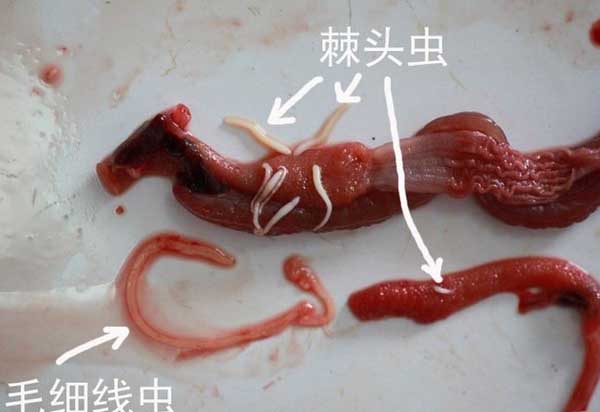
Rice field eels have a very high probability of suffering from parasitic diseases, and outbreaks are more likely in high-temperature seasons. Although few diseased eels die, their growth rate is greatly affected, which in turn seriously affects the economic returns of farmers. Here, some prevention and control methods for parasitic diseases are introduced to farmers.
Acanthocephaliasis
[Symptoms] Diseased eels show a severe loss of appetite or stop feeding altogether, the body color turns bluish-black, and the anus becomes red and swollen. The parasite burrows its proboscis into the intestinal mucosa to absorb nutrients, causing inflammation of the intestinal wall. In severe cases, it can cause intestinal blockage or perforation, leading to the death of the eel. The incidence rate is about 90%.
[Prevention and Control] ① Thoroughly disinfect with quicklime, or drain the pond water before stocking eel fry and expose it to prolonged sunlight to kill the intermediate hosts. ② Add 5-8 g of eel parasite purifier per 1 kg of feed, mix with feed and feed once a day; during the disease season, use once every 7-10 days. ③ For every 100 kg of rice field eels, mix 10 g of 90% crystalline trichlorfon into earthworms or river mussel meat and feed for 6 consecutive days. At the same time, splash crystalline trichlorfon over the whole pond to achieve a concentration of (0.3-0.5) × 10~6 in the pond water. ④ Mix 1.5% Yuchongqing No. 1 into bait and feed for a 3-day treatment course. ⑤ For every 100 kg of rice field eels, use 0.2-0.3 g of mebendazole and levamisole, mix with bait and feed; repeat once in the same way after 2 days. ⑥ Soak diseased eels in a 2 mg/L "Baichongke" solution for 5-10 minutes, and add "Yuchongmie" No. 1 to the feed at a 4% inclusion rate and feed for 1 day. Feed the medicated bait in 2-3 portions, and withhold food for 1 day before medication. ⑦ If complicated by enteritis, feed in combination with antibiotics.
Capillariasis
[Symptoms] Diseased eels show reduced appetite, become emaciated, and often stick their heads out of the water, turn their bellies upward, or roll about as if struggling. June to September each year is the peak season for capillariasis in rice field eels. It occurs mostly in soil-based eel ponds with high-density static water culture, while it occurs less in cement ponds or brick ponds with flowing water culture. The incidence rate is about 80%.
[Prevention and Control] ① In winter, dry the pond and expose the pond bottom and walls to the sun; before stocking eel fry, thoroughly clear the pond with 200 g of quicklime per cubic meter of eel pond to kill pathogens in the original pond. ② During the epidemic season, splash 0.3 mg/L crystalline trichlorfon over the whole pond, 1-2 times a month. ③ For every 100 kg of rice field eels, use 0.2-0.3 g of levamisole or mebendazole and feed for 3 consecutive days. ④ For every 100 kg of rice field eels, evenly mix 10-15 g of 90% crystalline trichlorfon into the feed daily and feed for 5-7 consecutive days. ⑤ Soak diseased eels in a 2 mg/L Baichongke solution for 5-10 minutes, and add Yuchongmie No. 1 to the feed at a 4% inclusion rate and feed for 1 day. Feed the medicated bait in 2-3 portions, and withhold food for 1 day before medication. ⑥ Soak veterinary trichlorfon tablets (0.5 g/tablet) in water, crush them, and mix into feed at 0.1% for 6 consecutive days of feeding.
Leech Disease
[Symptoms] Leeches parasitize near the head of the rice field eel and on both sides of the fish body, feeding on the eel's blood as nutrition. The epidermal tissue of the diseased eel is damaged, causing bacterial infection, which makes the diseased eel sluggish in activity, reduces appetite, affects growth, and in severe cases leads to death.
[Prevention and Control] ① Take care not to introduce parasite sources when adding water or transplanting aquatic plants such as water hyacinth. ② Splash 0.5 × 10~6 crystalline trichlorfon over the whole pond, replace part of the pond water the next day and splash the same dose again, then completely replace the pond water on the third day. ③ Soak diseased eels in 3% salt water or a 10 ppm copper sulfate solution for 5-10 minutes.
④ Soak diseased eels in a 5 mg/L potassium permanganate solution for half an hour, which has a good therapeutic effect.