What are the triggers of sex reversal in rice field eels?
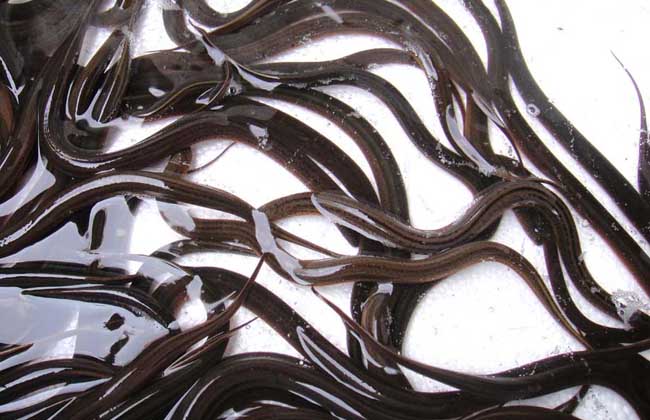
In production practice, we often find some very large female rice field eels and some very small male rice field eels, which seems to contradict the general rule of sex reversal in rice field eels. In fact, the factors inducing sex reversal in rice field eels are many-sided.
Water temperature
The rice field eel is a poikilothermic animal. Changes in water temperature directly affect the normal life activities of the rice field eel and also affect the developmental course of its gonads. The suitable water temperature range for the rice field eel is 15°C to 30°C. If the water temperature exceeds 35°C, falls below 10°C, or changes by more than 5°C within a short period, the gonadal development of the rice field eel will stop.
pH
The rice field eel is suitable for living in neutral or slightly acidic water. If the pond water pH is greater than 7, it will affect the gonadal development of the rice field eel. When the pond water pH reaches 10, the rice field eel shows restlessness and stops feeding. If this lasts for 7 to 10 days, the skin of the rice field eel begins to rot, and it will soon die. Therefore, newly built cement ponds must undergo dealkalization treatment before use.
Water depth
The gills of the rice field eel are severely degenerated, and it cannot rely solely on its gills to breathe in water. It must use auxiliary respiratory organs such as the pectoral fins, fin folds, oral cavity, pharyngeal cavity and skin to breathe. However, in ponds with a brick-and-stone structure, if the pond water is too deep, the rice field eel will lose its support when “standing upright” and will not be able to breathe oxygen from the air. Under long-term oxygen deficiency, the developmental course of the gonads of the rice field eel will be prolonged.
Sound and light
The rice field eel hides by day and comes out at night, and likes to live in a quiet water environment, so rice field eel ponds should not be built beside roads where there is noise and flashing light stimulation at night. Production practice has proven that after rice field eels are subjected to noise and flashing light stimulation at night, the speed of gonadal development is noticeably slowed, the sexual maturation period is delayed, and they are still female when the average body length reaches 40 cm.
Sex ratio
During the reproductive season, a purely female group will, because of the lack of male rice field eels, cause some of the female rice field eels in it to become male in advance. Therefore, we often find some very small male rice field eels.
Feeding and management
The rice field eel mainly feeds on animal-based bait and has a relatively omnivorous diet. If the bait quality is high and feeding is uniform and timely, the sexual development of the rice field eel will be fast. If the bait quality is poor and feeding is not uniform or timely, the sexual development of the rice field eel will be slow. Poor water quality, excessively frequent water changes, high flow speed during water changes and excessive temperature differences will all delay the gonadal development of female rice field eels.