Detailed Explanation of Key Points on Rice Field Eel Seed Selection and Stocking Techniques
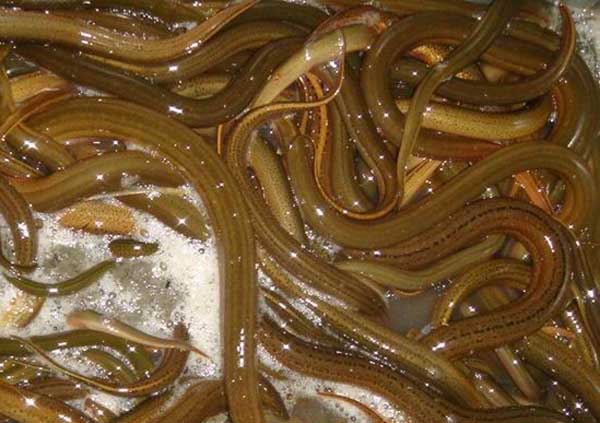
Fry and fingerling stocking is an important part of rice field eel farming. To do a good job in artificial rice field eel farming, it is necessary to persist in resolving the source of fry and fingerlings through multiple channels, adopt scientific rearing methods, and obtain good yields and relatively good economic benefits.
Sources of Fry and Fingerlings
At present, the source of rice field eels mainly relies on catching or purchasing natural young rice field eels. In spring, when temperatures rise, it is the best season for catching rice field eel seed; in other seasons, the habit of rice field eels foraging at night can be used to catch them. As for catching methods, trapping with eel cages and catching by hand are preferable.
In addition, collecting fertilized rice field eel eggs, carrying out artificial incubation, and cultivating rice field eel fry is also a good method.
Quality of Fry and Fingerlings
Those with a strong physique and no disease or injury can be used as fry and fingerlings. Those injured by hook catching have a low survival rate after stocking, and even if they do not die, they grow quite slowly. Therefore, they are generally not suitable for selection. When catching rice field eel seed and fingerlings, do not injure the rice field eels with iron wire hooks. If purchasing from the market, do not buy rice field eel fry that have been fed saccharin or hot soup.
Specifications of Fry and Fingerlings
The specifications of fry and fingerlings are generally preferably 20-40 per kg. Fry and fingerlings of this specification are uniform, have strong vitality, and after stocking have a high survival rate, rapid weight gain, and high yield. If the rice field eel seed specification is too small, the feeding ability is poor, weight gain is not fast, and there will be no income in the same year. When stocking fry and fingerlings, pay attention to uniform specifications; the size should be as consistent as possible and must not differ too greatly. Fry and fingerlings of different specifications are best raised in separate ponds to avoid competing for food and killing each other, which would affect growth and survival rate.
There are many varieties of rice field eels, which can generally be divided into several types: yellow, white, green, red, and black. Among them, the green and yellow types have the strongest vitality, and those with yellow dorsal sides and necks are also excellent. In order to ensure high yield and high efficiency in farming, in developing rice field eel farming production, it is necessary to gradually achieve selection of the superior and elimination of the inferior, and to cultivate and use excellent varieties.
Stocking Time and Stocking Density
Stocking time should be early, and it is best to stock rice field eel fry and fingerlings caught in the first batch of early spring. After overwintering, the rice field eel's internal nutrients can only sustain life. After the beginning of spring, it needs to feed in large amounts, has a large food intake, and has a wide feeding habit. Therefore, fry should be stocked as early as possible to facilitate domestication, start feeding earlier, and extend the growth period.
Stocking density varies depending on the size of the rice field eel pond, the source of bait, the specifications of fry and fingerlings, and feeding management. In artificial rice field eel farming, the stocking density can be slightly higher: stock 100-150 young rice field eels weighing 25 grams each per sq m, that is, stock 2.5-4 kg of young rice field eels per sq m. If the stocked specifications are larger, the density can be reduced accordingly. Conversely, it can be increased accordingly. If bait is sufficient, more can also be stocked. For household farming, the general stocking amount per sq m is preferably 2.5 kg, and some loaches can be stocked together in the pond.