How to prevent and treat stress reactions in eel (Monopterus albus) seedlings
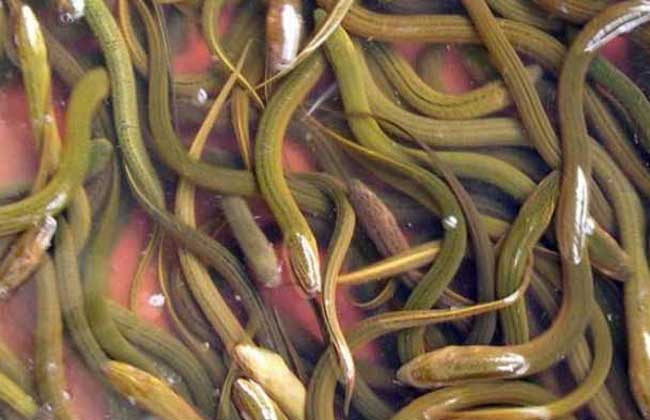
“Stress” reactions in eel fry occur mainly at the stage when the fry are put into the boxes. Because the fry are not adapted to the new living environment, or because of major changes in climate and water temperature, they develop “stress” reactions. “Stress” reactions mainly show up as eels climbing onto the grass, slow movement, refusal to feed, weakness, and weakened or lost immune function; in severe cases the mortality rate reaches over 90%. This is currently one of the more harmful diseases in eel farming.
Prevention and treatment methods for stress reactions in eel fry
1. Correctly mastering the season for putting eel fry into the boxes is the best way to prevent “stress”-related diseases in eels. According to our experiments, winter is the best season for stocking, because this stage is exactly the peak season for catching and selling adult eels, fry are easy to buy, and the water temperature is low, so bacterial activity is not strong; the next best is late June to mid-July. At this stage the eel fry have gone through natural fattening, restored their physical condition from the overwintering period, and the fry are generally relatively robust; moreover, the weather does not change much, and the water temperature is relatively stable, all above 25°C, so putting the fry into the boxes will not cause “stress” reactions.
2. Reasonably choosing the time to put the eels into the boxes is another key trick for preventing “stress”-related diseases in eels. In our experiments, by observing weather changes, we chose a time with more than 2 consecutive days of sunny weather and ensured that after the eel fry were put into the boxes there would be 2 days of fine weather; the effect was very obvious.