Why Does Rice Field Eel Farming Fail? An Analysis of Eight Major Causes
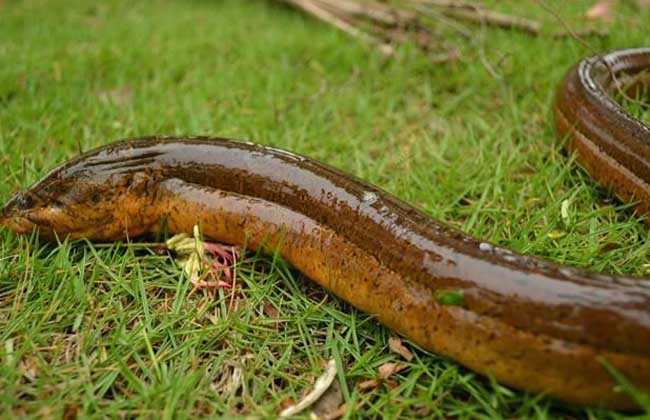
Indiscriminate Purchase of Seed Stock
Many farmers buy so-called artificially bred seed stock or other so-called high-quality seed stock from other regions, but these are actually wild-caught seed stock, and because of temporary holding and unscientific operations such as multi-stage storage and transport, the mortality rate after purchase is relatively high. Therefore, when buying seed stock, you must carefully inspect, identify and check it.
Failure to Select the Right Variety
In appearance, rice field eels include types such as dark yellow with large spots, earthy red with large spots, light yellow with fine spots, and bluish gray with fine spots. Only by choosing the first two types can you achieve faster growth rates.
Pond Water Too Deep
Rice field eels need to frequently swim to the water surface to breathe, which consumes a large amount of energy, and deep pond water affects normal living and growth. When raising eels in net cages, aquatic plants should fill the entire cage so as to provide good habitat and breathing conditions for the eels.
Neglecting the Cultivation of Aquatic Plants
Aquatic plants can help rice field eels prevent heatstroke and lower temperature, and purify water quality. An eel pond without aquatic plants cannot create a good ecological environment.
Mixed Culture of Large and Small Eels
When large and small eels are mixed together, although the large eels grow quickly, the total pond yield is low.
Applying Manure to the Eel Pond
The water body of an eel pond is small, and applying manure very easily spoils the water quality and induces disease.
Feeding a Vegetarian Diet
Rice field eels are fierce carnivorous fish, so they should be fed animal-based feed or complete compound feed.
Frequent Feed Changes
Farmers often switch the feed they use because their bait supply is not guaranteed. Rice field eel feed should have a certain stability; suddenly changing the type of feed makes it hard for the eels to adapt and they refuse to eat, which affects normal growth.