What causes disease in rice field eels?
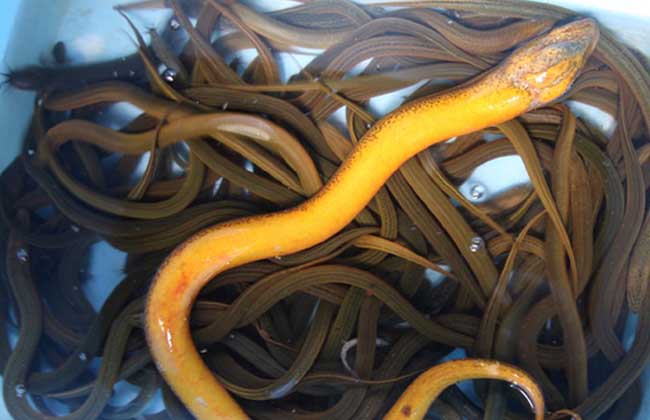
Do you know the predisposing factors behind disease in rice field eel farming? The causes of disease in rice field eels can be summed up mainly in the following aspects. Let us take a look together at these predisposing factors behind disease in rice field eel farming!
Improper site selection
If the site is improperly selected, the water source used is of poor quality, the irrigation and drainage system is not smooth, or there is no independent water inlet and outlet pipeline, disease outbreaks are easily caused during production.
Unsuitable environment
If too few or no plants are cultivated in the cage, it is not conducive to the burrowing of rice field eels or to regulating water quality and water temperature, and the rice field eels find it hard to adapt, leading to farming failure.
Incomplete pond clearing and disinfection
This is especially true for old ponds that have been used for farming for many years, where a large amount of silt has accumulated at the bottom of the pond. The silt contains a large number of pathogenic microorganisms and parasites, and once conditions are suitable, these pathogenic microorganisms can multiply rapidly in large numbers and cause rice field eels to become infected with disease.
Improper selection or handling of eel fry
Before stocking, diseased and injured fry were not removed according to correct procedures, or the source of the rice field eels was not understood and drug-caught fry were purchased; one week after stocking, no effective drug control was carried out. Fry that have gone through transport have injured body surfaces or damaged mucus, and their constitution is weak, making them susceptible to disease.
Excessively high density and uneven sizes
First, the transport density is too high, the fry are piled up together in mass, and not all are handled in a timely manner, so the defensive function of the mucus on the eel body surface is destroyed, and harmful pathogenic bacteria infect them rapidly, often causing mass death within a few days after the fry enter the pond; second, the rearing density is too high, keeping the rice field eels in a state of stress for a long time. The rice field eels secrete mucus at a faster rate, their constitution weakens, and this triggers illness and death in the rice field eels.
Non-standard management
For example, too large a water change can easily cause conditions such as “colds” in rice field eels; improper feeding, where feeding too much not only wastes feed but also pollutes the water quality and leads to large-scale reproduction of pathogenic bacteria, while feeding too little makes rice field eels cannibalize each other, injuring their body surfaces and reducing their ability to defend against disease. In addition, when using fresh live bait, improper storage causes it to spoil and deteriorate, which very easily triggers gastrointestinal diseases in rice field eels.
Entry of harmful substances
For example, toxic wastewater from factories, residual pesticides in farmland, large amounts of domestic sewage flowing into water bodies, and excessive application of drugs by the farmers themselves can all cause poisoning, deformity, or unexplained mass death of rice field eels.