Detailed Explanation of Key Technical Points for Overwintering Management in Rice Field Eel (Monopterus albus) Farming
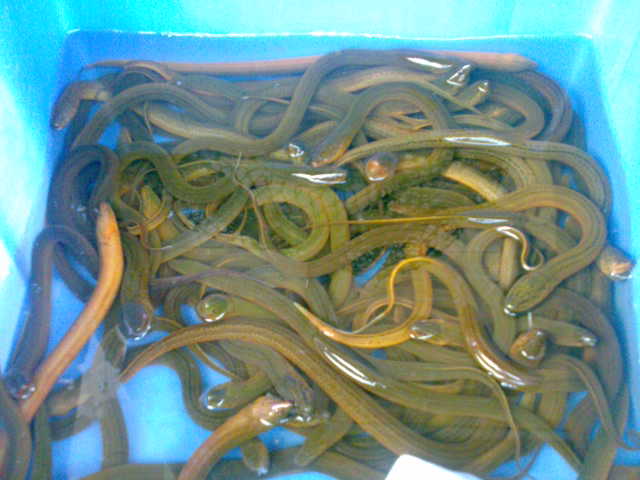
Consumer demand for rice field eels increases during the Spring Festival market. To achieve better farming returns, many farmers stockpile rice field eels until around the Spring Festival before selling them. This makes how the eels overwinter a difficult problem. So how exactly should rice field eels be managed to ensure safe overwintering?
Method One: Overwintering in Water
When the water temperature drops below 10°C, rice field eels stop feeding and enter their burrows to hibernate. To help the eels overwinter safely, for those overwintering eels in earthen ponds, the pond should be built in a rectangular shape oriented north-south, with the north side of the pond ridge higher than the south side. If conditions permit, the north pond ridge can be built into a windbreak wall over 1.5 m high. In mid-September, the water level in the farming pond should be maintained at 30-50 cm, and later water should be changed without altering the water level. At the same time, the soil layer in the pond should be no less than 50 cm thick, making it easy for the eels to burrow for overwintering and ensuring the water temperature at the pond bottom stays above 0°C. When the air temperature is below 0°C and the water surface freezes, the ice must be broken up and floating ice removed to increase dissolved oxygen in the water and prevent the eels from dying of oxygen deprivation. When overwintering eels in net cages, after the eels stop feeding, clean out the rotting aquatic plants at the bottom of the cage, and ensure there is enough floating grass in the cage for the eels to cling to. The water overwintering method is simple and easy to carry out, but catching the eels in winter is rather troublesome, and the survival rate is relatively low. In particular, the mortality rate is higher when overwintering eels in net cages.
Method Two: Overwintering in Mud
When the water temperature falls below 12°C, gradually drain the pond water so that the surface mud at the pond bottom stays moist. After the eels stop feeding, do not casually stir the bottom mud or change the shape of the surface layer. A layer of rice straw or grass matting 10-20 cm thick can be spread over the mud surface, taking care to leave gaps beneath the straw layer. Drainage ditches should be cleared around the pond. This helps with ventilation and cold protection. This method has low cost and is simple to carry out, gives a high survival rate for the eels, and causes relatively little body weight loss. The drawbacks are that it usually requires a dedicated person to watch over the pond, catching the eels is rather troublesome, and they cannot be sold promptly. It is suitable for overwintering eel fry.
Method Three: Overwintering Indoors
When the water temperature drops below 10°C, harvest the rice field eels from the pond, wash them clean, and keep them in indoor cement ponds for overwintering. The cement pond area should preferably be 3-8 sq m, with a water depth of no more than 50 cm. The water used should be clean water from an outside pond or well water. When adding water, the temperature difference must not exceed 3°C. The ratio of eels to water should preferably be 1:2. For the first 3 days, change the water once a day, and afterward change the water once every 3-5 days. Each time the water is changed, clean out the metabolic waste at the bottom of the water, and keep the indoor temperature at 2-5°C. This method is relatively safe for temporarily holding rice field eels and gives a high survival rate, and they can be sold at any time when the market is good. The drawbacks are that routine management is troublesome, and the eels lose relatively more body weight. It is suitable for overwintering adult eels.
Method Four: Overwintering in Greenhouses
When the water temperature drops below 15°C, transfer the rice field eels into plastic greenhouses for overwintering. The pond water level inside the greenhouse should be controlled at 50-70 cm, and alligator weed should be placed in the pond, with the amount added accounting for 1/3 of the water surface. When the water temperature is above 12°C, feed an appropriate amount until the eels stop feeding, and pay attention to regulating water quality to prevent large amounts of metabolic waste from consuming oxygen. Keep the air temperature inside the greenhouse at 2-8°C. On sunny days from 11 a.m. to 3 p.m., pay attention to uncovering the film for ventilation. If large numbers of eels are seen sticking their heads out of the water, attention should be paid to increasing oxygen. This method helps extend the growth period of the rice field eels, increase their body weight, and raise the survival rate, and it also makes it easier to catch and sell them. The drawback is that the cost is too high and management is rather complicated.
Among the four methods above, farmers can choose the one most suitable for themselves to implement, so as to ensure that the rice field eels can overwinter safely.