Loach Farming Prospects Analysis: Is It Profitable to Raise Loach in 2016?
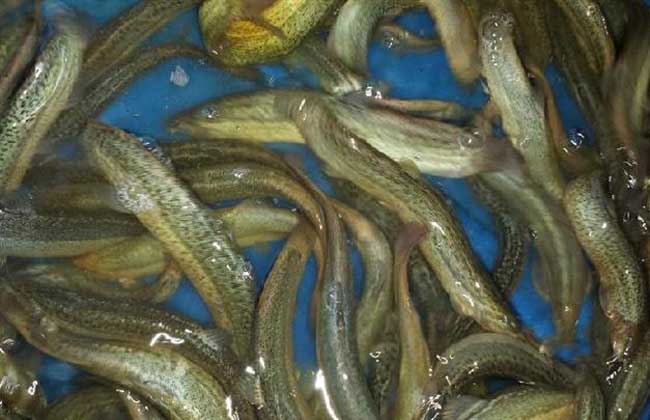
Loach is a common aquatic product with a delicious taste and rich nutrition. Many people enjoy eating loach, the farming market prospects are very broad, and the farming technology is also very simple. Therefore, many people want to get rich by raising loach, but they are unsure whether raising loach is actually profitable. Let us take a look below at whether raising loach is profitable in 2016!
Is It Profitable to Raise Loach in 2016?
Raising loach is profitable. The loach farming growth cycle is relatively short; generally, after 120-150 days of rearing, they reach marketable size. The yield is relatively high. Under courtyard farming conditions, generally every 100-200 sq m pond can produce 250-500 kg of loach, with income reaching 2500-5000 yuan. When using paddy field farming, each mu of paddy field can produce 50-100 kg of loach, and the income from loach alone can reach 500-1000 yuan. Moreover, loach has strong vitality, is easy to farm artificially, has no strict requirements for water bodies, requires little investment, shows quick results, and has relatively high economic benefits from farming.
How Much Money Is Needed to Invest in Loach Farming?
1. Farming costs: The rental fee for farming sites is generally 400-600 yuan/year, and in some places it may be lower. Feed costs are 6000-7000 yuan. Each mu is stocked with 100,000 fry, at 800 yuan per 10,000 fry, totaling 8000 yuan. Nets cost 400 yuan, fishery drugs and disinfectants cost 100 yuan, water and electricity cost 200 yuan, and reserve funds are 1000 yuan. Farming one mu of loach requires an investment of 16000-17000 yuan.
2. Farming profit: After 100,000 seedlings are reared for 6 growth months, the yield can reach about 2000 jin. Calculated at the lowest price of 15 yuan per jin for loach, 2000*15=30000 yuan. After deducting costs, the net profit is 13000-14000 yuan, with a profit of 16000-17000 yuan.
What Advantages Does Loach Farming Have?
1. Tolerant of low oxygen: Loach can use its skin and intestines for respiration, which enables loach to be very tolerant of low oxygen and makes high-density farming models possible, without the phenomenon of general fish suffocating and floating to the surface due to oxygen depletion.
2. Omnivorous feeding habits: Loach has omnivorous feeding habits, and feed is relatively easy to obtain. Grains such as corn, wheat, and rice, as well as by-products such as rice bran and bean dregs, can all be used as loach feed.
3. Strong reproduction: Loach has strong reproductive capacity. One female loach can lay about 3000 eggs in one year, and reproduction can be carried out in all three seasons of spring, summer, and autumn. The artificial breeding technology for loach is relatively simple, making it relatively easy to obtain large numbers of loach fry, and the cost of artificially mass-breeding and producing loach seedlings is also not high.
4. Fast growth: Loach grows relatively quickly. Generally, loach fry produced by breeding in spring can reach a relatively large marketable size by winter.
High-Yield Farming Techniques for Loach
1. Pond selection: Loach ponds should be selected in places with relatively flat terrain, ventilation and sunlight, convenient water intake and drainage, and easy management. The shape can vary, but generally rectangular and oriented east-west is better. The area of loach ponds varies depending on the farming method and farming level. Generally speaking, the loach pond area used for courtyard farming is 50-80 sq m, with a pond depth of 1-1.5 m.
2. Pond construction: Loach ponds can be built with materials such as bricks and stones, with a retaining edge set at the top of the wall, extending 5-6 cm inward into the pond. A drainage outlet is set in the center of the pond bottom, with a pipe diameter of about 1.5 cm. At the same time, one overflow outlet is set at the pond edge to control the water level. The water outlet and overflow outlet should be covered with wire mesh to prevent fry from escaping. Some aquatic plants, such as water peanut and water hyacinth, can be planted in the loach pond to improve the water environment and lower the water temperature. In addition, climbing plants such as grapes or loofah can be planted around the loach pond to provide shaded and cool places for the loach in summer.
3. Seedling stocking: 7-10 days before stocking loach seed, use 0.2 kg/sq m of quicklime to thoroughly clear the pond. After 5-7 days, store water to 10-20 cm, and apply 10-15 kg/mu of a mixture of organic and inorganic fertilizers to cultivate basic bait organisms in the water body. The stocked loach seed should have uniform size, strong physique, plump muscles, no disease or injury, and bright body color. The stocking density should be determined according to pond conditions, feed sources, and management level. Under normal circumstances, the stocking density for loach seed with a body length of 5-7 cm is 80-100 fish/sq m. At the same time, 5-8 fish/sq m of crucian carp can be stocked in the loach pond as a supplement.
4. Feed selection: Loach is a small omnivorous fish with a very wide range of feed sources. Water fleas, earthworms, and maggots are natural bait organisms for loach. Under artificial farming conditions, rice bran, bean cake, bean dregs, blood meal, and wheat bran can be fed. The food intake of loach is closely related to water temperature. In March, the daily feeding amount is 1% of the total body weight of the loach; from April to June, the daily feeding amount is 4% of the total body weight of the loach; from July to August, the daily feeding amount is 1% of the total body weight of the loach; from September to October, the daily feeding amount is 4% of the total body weight of the loach.
5. Feed feeding: The feed feeding method is to build a feed platform in the loach pond and place the feed on the feed platform. The feed should be fresh, pollution-free, non-rotting, and non-spoiled. Feeding time is generally around 9 a.m., and the feeding amount should be based on the loach finishing the feed within 3-4 hours. During the adult loach stage, the feed feeding amount should be appropriately adjusted according to weather conditions and the growth and feeding conditions of the loach. Residual bait should be removed promptly.
6. Water quality regulation: When loach seed first enters the pond, the pond water depth should be kept at 10-20 cm. Later, as the loach seed grows, gradually deepen the water level to the required depth. Normally keep it shallower, and during hot high temperatures it can be deepened somewhat, while frequently adding new water to maintain a good water environment. When the weather is muggy, the pond water is prone to oxygen deficiency. If loach are found swimming to the water surface to spit out air, new water should be added promptly or aeration measures should be taken.
7. Daily management: Achieve “two preventions, two frequents, three earlys, and four looks”, namely preventing escape and preventing disease, frequently patrolling the pond and frequently keeping a diary, clearing the pond early, starting feeding early, and stocking early (to extend the loach growth period), and looking at loach activity and feeding conditions, weather changes, water quality changes, and seasonal changes to determine the feed feeding amount.
8. Disease control: Strive to achieve early prevention when there is no disease and early treatment when there is disease. Regularly splash quicklime and bleaching powder over the whole pond, which can improve water quality and prevent the occurrence of fish diseases. Timely remove harmful organisms such as water snakes and water rats from the loach pond.
9. Timely harvesting: In late autumn and early winter, when the water temperature drops to 10-15°C, the food intake of loach decreases, and harvesting can be carried out. Generally, the method of draining the pond water and manually catching the loach in the pond is mostly used.