Recommended Reference Feed Formulas for Loach Farming
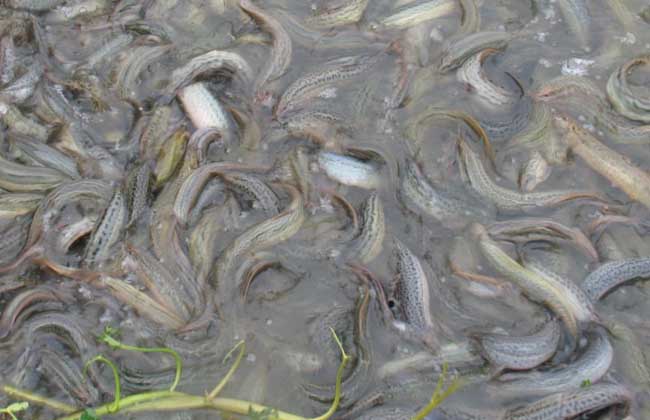
When farming loach in a healthy way, having strong fry and providing a safe and comfortable environment is not enough. To improve farming efficiency, you must supply sufficient, high-quality, and palatable feed. Moreover, the nutritional requirements of loach are quite different from those of terrestrial animals, and their food types and forms are also very distinctive. Now let us take a look at the reference formulas for loach feed!
What food do loach eat?
Loach mostly come out at night to prey on plankton, aquatic insects, crustaceans, fragments of aquatic higher plants, and algae, etc. Sometimes they also consume bottom humus or mud residue. In artificial farming, the types of bait fed include fly maggots, fish meal, pig blood meal, silkworm pupa meal, rice bran, wheat bran, rapeseed cake, etc.
Feed Formulas for Loach
Soybean cake meal 20%, wheat middlings 6%, wheat flour 12%, fish meal 26%, silkworm pupa material 29%, blood meal 3%, bone meal 1%, binder 3%. Artificial compound feed cannot be directly fed to loach; it requires a process of domestication. When artificially training them to eat, you can use 65% special feed mixed with 35% fresh river mussel meat paste, stir thoroughly with a mixer or by hand into a dough-like consistency, then use a 3-4 mm die-hole meat grinder to press it into soft strip-shaped bait with a diameter of 3-4 mm and a length of 3-4 cm. Slightly air-dry and it is ready to feed.
Feed Raw Materials for Loach
1. Grains: Grain-based feed is generally called energy feed, including rice, wheat, corn, sorghum, etc.
2. Cakes and meals: Cake and meal feed is generally called plant-based protein feed, including soybean cake (protein content 40-46%), peanut cake (protein content 45%), sesame cake (protein content 40%).
3. Animal-based: Animal protein feed resources include fish meal, clams, river snails, and fly pupae, etc.
4. Additives: Loach feed additives include amino acids, vitamins, inorganic salts, fatty acids, antibiotics, hormones, anti-mold agents, disease-preventing agents, antioxidants, feeding attractants, binders, anti-floating agents, and softeners, etc.