Detailed Explanation of Key Points of Natural Breeding Technology for Loach
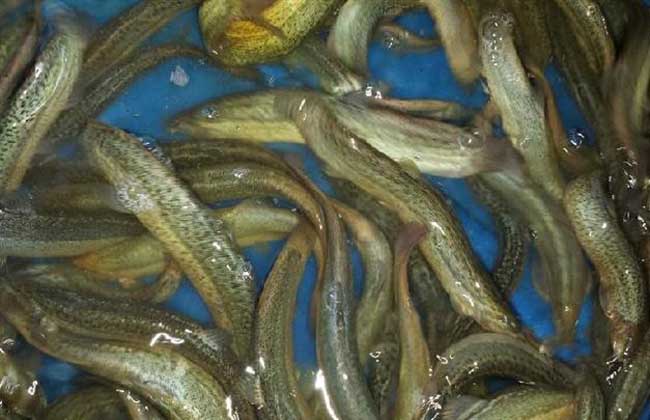
The loach is known as the "ginseng of the water" and has high farming value. Natural breeding refers to imitating natural environmental conditions under artificial control, allowing the loach to spawn and hatch on its own. This method greatly improves the survival rate of loach offspring, is very simple to operate, and is well suited for loach farming specialists. Let us take a look at the natural breeding technology for loach below!
Breeding Habits of Loach
The loach lives in still or slow-flowing water with a muddy bottom and has strong adaptability; it can live in environments very rich in humus. It mostly comes out at night to prey on plankton, aquatic insects, crustaceans, fragments of higher aquatic plants, and algae, and sometimes also ingests bottom humus or mud dregs. It reaches maturity at 2 winters of age and begins breeding every year in April (water temperature 18°C). It spawns in shallow water among grass at a depth of less than 30 cm. The eggs laid adhere to aquatic plants or to land grasses submerged by water. The newly hatched fry often live scattered and do not form groups.
Spawning Technology for Loach
1. Spawning environment: For the loach spawning pond, a small cement pond, small pond, etc. can be chosen, with a water surface of 5-102 sq m and a water depth of 40-50 cm, and it is best to maintain slight water flow. Place aquatic plants, willow root fibers, palm bark, etc. in the spawning pond as fish nests for the eggs to attach to. Stock 7-10 groups of brood loach per sq m (one female and two males as 1 group).
2. Spawning time: When the water temperature is 18-20°C, spawning generally occurs in the early morning of clear days or before 10 a.m. When the water temperature is 20-28°C, spawning mostly occurs after rain or at midnight. One female loach can lay 200-300 eggs at a time, and only after multiple spawnings can it finish laying, with a total of 3000-5000 eggs. The fertilized eggs adhere to the fish nest, but their adhesiveness is poor and they easily fall off, so care must be taken during handling.
3. Spawning management: During the spawning period, take out the fish nest every morning to observe. If there are many eggs on the fish nest, they should be moved to the hatching pond for hatching, and the fish nest should be put back in the afternoon. If the fish nest is not collected in time, the fertilized eggs will be eaten by the brood loach. A brood loach rearing pond can also be used as a spawning pond. When the water temperature rises to 18°C and individual loaches show chasing behavior, put in the fish nest and keep slight water flow in the pond, first to improve water quality and second to stimulate brood loach breeding.
Hatching Technology for Loach
1. Fry pond preparation: Fertilized loach eggs often hatch in the nursery pond. 10-15 days before the fish nest is put in, clean and prepare the nursery pond. To improve the hatching rate, set up a net frame 20 cm below the water surface of the hatching pond (nursery pond) and spread the fish nest flat on it. Place about 10,000 loach eggs per sq m; usually the emergence rate of fertilized eggs is 40%. Based on this, calculate the total number of eggs to place.
2. Fry pond management: The area above the loach fish nest should be shaded to avoid direct sunlight, and at the same time prevent frogs and wild miscellaneous fish from entering the pond and harming loach eggs and fry. Throughout the entire hatching process, observe frequently and promptly remove frog eggs, dirt, and other debris from the pond. At a water temperature of 19°C, fertilized eggs can hatch into juvenile loach (loach fry) after about 50 hours.
3. Loach fry management: Newly hatched loach fry have a total length of 3-4 cm, with the head bent toward the abdomen, a relatively large yolk sac, and external gills. They lie on their sides at the bottom of the water or attach to the fish nest, move very little, and rely entirely on the yolk sac for nutrition. Two days after hatching, the body color of the loach fry darkens and the yolk sac shrinks. Three days after hatching, the body color of the loach fry turns black, the yolk sac disappears, the swim bladder appears, the pectoral fins become larger, they can swim short distances horizontally, and they begin to feed. At this time, feed cooked egg yolk or soybean milk.
Precautions for Loach Breeding
1. Hatching temperature is closely related to the fertilization rate and hatching rate. When the water temperature is below 20°C or above 30°C, both the fertilization rate and hatching rate are relatively low, so hatching is best carried out when the water temperature is 22-28°C.
2. After all fertilized eggs have broken their membranes, promptly remove the egg membranes and dirt to prevent decay from deteriorating water quality and affecting the survival rate of fry and fingerlings.
3. During fry and fingerling rearing, turn on the aerator or add new water at regular intervals. Before loach fry can perform intestinal respiration and skin respiration, they rely entirely on dissolved oxygen in the water for respiration, which is different from adult loach, so as to avoid mass death from floating to the surface due to lack of oxygen in the water. About 15 days after the loach fry are stocked in the pond, the intestinal respiratory organs can initially form, but they are not yet fully developed.
4. When stocking loach fry into the pond, it is best to adjust the pond water temperature and the hatching pond water temperature to be the same, to avoid unnecessary losses caused by too great a temperature difference.
5. The most common fish diseases during loach fry rearing are gas bubble disease and branchial necrosis. Branchial necrosis mostly occurs about 12 days after the loach fry are stocked in the pond. Therefore, about 8-10 days after the loach fry are stocked in the pond, use chlorine dioxide to disinfect the water body for prevention in advance. Gas bubble disease appears on the very day the loach fry are stocked in the pond. When the disease is found, well water should be added promptly, and at the same time 10-15 kg of salt per mu should be dissolved in water and splashed over the whole pond.
6. After loach fry grow to 3-5 cm, they should be divided among ponds, at 100,000-150,000 per mu.
7. Loach fry bred in May of the same year, due to the short growth period, fast growth, and low feed conversion ratio, can reach the commercial size of about 60-80 fish per kg after about 5 months of rearing.