Detailed Explanation of Key Points for Loach Greenhouse Farming Technology
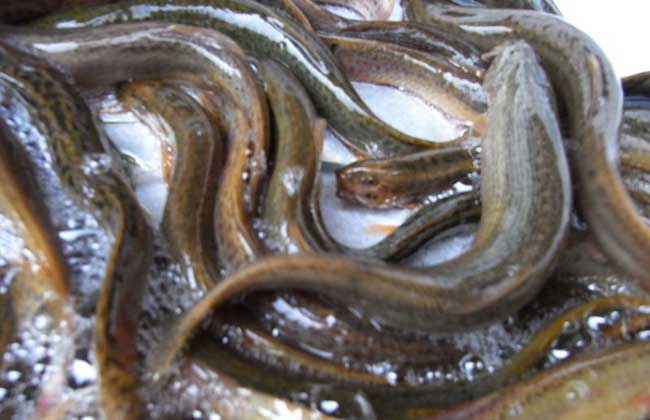
Loach is widely distributed in southern China but uncommon in the north. It can be harvested year-round, but most abundantly in summer. After capture, it can be used fresh or dried, and it has high nutritional value, earning it the name “ginseng of the water.” In recent years, with the growing demand in both international and domestic markets, it has become a freshwater premium species with good farming prospects. Let us take a look at greenhouse loach farming technology below!
Pond Construction
Dig a pond inside the greenhouse with a depth of 2 m. Tamp the bottom and walls firmly, spread a 30 cm thick layer of rich mud on the bottom, and lay plastic film around the edges. Set a water inlet and outlet at the two ends of the pond. The inlet should be higher than the water surface, and the outlet should be set at the bottom of the pond. Install nylon mesh at both the inlet and outlet to prevent debris from entering and loaches from escaping. At the outlet, dig a fish ditch 2 m long, 0.5 m wide and 0.3 m deep at the bottom of the pond for harvesting loaches and for them to escape the heat. After the pond is built, fill it with 10 cm of water, and use 80-100 kg of quicklime per mu dissolved in water to splash the entire pond to disinfect the bottom. After 10 days, fill with water to 50 cm, then apply 2 kg of urea per mu to fertilize the water quality. Apply another top dressing 3 days later. Once a large amount of brown diatoms can be seen at the pond edge, the pond water is yellowish-brown, and the transparency is around 30 cm, the fry can be stocked.
Fry Stocking
Loach fry should be robust, disease-free and uninjured, and swim actively. The size of loaches in each pond should be roughly the same. Before stocking, loaches must be soaked and disinfected. One of the methods that can be used is soaking in 2-4% salt water for 5-10 minutes, with a density of about 2-3 jin of loach per sq m of water body. As the stocking amount increases and the fish gain weight, the pond water can be deepened to 0.5-0.7 m.
Feeding Bait
For 15 days after the loach fry are stocked, they mainly feed on natural bait, with some fish meal, soybean cake and bait supplementarily fed. The daily feeding amount is 2% of body weight. When the loaches have grown to 5 cm by early to mid-June, switch to full-price compound feed for carp. In June, the daily feeding amount is 5% of body weight, 10% in July-August, and 5% in September. The daily feeding is divided into three times: morning, noon and evening. The feeding amount should preferably be eaten by the loaches within 2 hours. When feeding, the bait should be placed near the feeding platform.
Water Quality Regulation
The water quality of loach farming ponds is best when yellowish-green, with transparency maintained between 20-25 cm, pH around 7.5, and dissolved oxygen above 2 mg/L. In July-August, the water depth should be kept above 80 cm. If the water color is found to be too dark, change the water in time, generally 1-2 times every 10 days, each time changing 30 cm. In high-temperature seasons, some aquatic plants such as water hyacinth and alligator weed can be transplanted into the pond, and a shade shed should also be built over the pond for cooling.
Greenhouse Management
For loach farming greenhouses in winter and early spring, remove the straw covering the plastic shed from 10 a.m. to 3 p.m. on sunny days, and cover the shed with straw again at other times for insulation. In summer, remove the greenhouse plastic film and float aquatic plants such as alligator weed in the pond for shade. In autumn and late spring, cover with the plastic film, and at night cover the film with straw mats.
Disease Prevention and Harvesting
Loach farming should strive to achieve early prevention when there is no disease and early treatment when there is disease. Regularly splash the entire pond with quicklime and bleaching powder, which can improve water quality and prevent fish diseases. At the same time, promptly remove harmful organisms such as water snakes and water rats from the loach pond. In late autumn and early winter, when the water temperature drops to 10-15°C, the loach's food intake decreases, and harvesting can begin. Generally, the method of draining the pond and manually catching them in the pond is mostly used.