Detailed Guide to Water Quality Management Methods for Loach Breeding Ponds
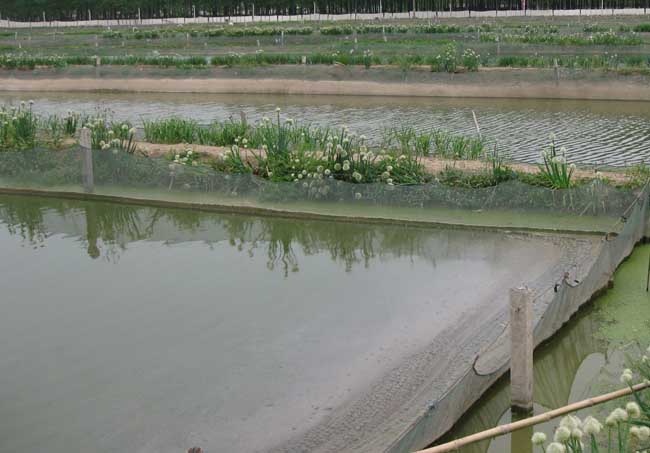
Water quality regulation in loach breeding ponds is quite difficult. After a period of breeding, the pond water often turns black, with lots of foam on the surface, and various water quality indicators seriously exceed the standards, making mass mortality of loach very likely. Below, the editor of Qiannong Network introduces how to manage the water quality of loach breeding ponds!
Water Quality Management Methods for Loach Breeding Ponds
1. Pay attention to weather changes and control pond water temperature. Since loach breeding water is generally not deep, in midsummer the water temperature should be kept within 30°C; this can be adjusted by building shade canopies, using shade nets, or adding cooler water. In the early stage, aquatic plants such as water hyacinth or water snowflake can be planted. The main purpose of water hyacinth in the pond is to purify water quality; water hyacinth in the breeding pond can both provide shade and offer loach a natural habitat. Moreover, water hyacinth is also a good feed and fertilizer, making it a "hero" of soilless loach breeding. With slight processing, water hyacinth becomes good green feed and can be fed to pigs and geese; after being scooped out of the water and left for a period, it is also good farmyard manure.
2. Strengthen water quality control to avoid deterioration. During loach breeding, the water color should remain yellow-green with sufficient live food organisms, but the water must not become too fertile and oxygen-deficient. In the early stage, keep the water level at about 30 cm and exchange part of the water every 5 days. Maintain the water color by controlling fertilization and feeding, and do not overfeed. As the loach fry grow into the later stage, gradually deepen the water level to 50 cm.
3. Pay attention to changes in water sources and prevent pollution and poisoning incidents. Loach farmers should closely monitor changes in the water quality of the water source, paying attention at all times to changes in physical and chemical indicators such as water color, smell, suspended solids, and turbidity. Once abnormalities are found, immediately stop water intake to avoid pollution and poisoning incidents.
Do a good job preventing and treating fish bacterial diseases
After heavy rain, bacterial hemorrhagic disease, gill rot disease, enteritis disease, white head and white mouth disease, and other diseases are prone to occur. Regularly splash disinfectants such as quicklime, chlorine dioxide, and dibromohydantoin. At the same time, add drugs to the feed for feeding. Promptly remove dead fish and diseased fish and carry out harmless treatment.
Prevent and treat fish parasitic diseases
The main parasites include Sinergasilus, Lernaea, fish lice, Dactylogyrus, Trichodina, Chilodonella, and others. In fertile ponds with deteriorated water quality, protozoa such as Trichodina and Chilodonella are more numerous; in lean ponds, crustaceans such as Lernaea are more numerous. To kill protozoan parasites, ivermectin or a mixture of copper sulfate and ferrous sulfate should be used; to kill crustaceans, trichlorfon and pyrethroid fish drugs are generally used.
Regulate water quality promptly after heavy rain
After heavy rain, the water quality of mountain fish ponds generally has a low pH value. Quicklime should be applied regularly to the aquaculture water body, once every 20 days, at 20-30 kg per mu, and microbial preparations and substrate modifiers should be used in a timely manner to improve water quality and bottom substrate.