What Are the Prospects for Loach Farming? A Comprehensive Analysis
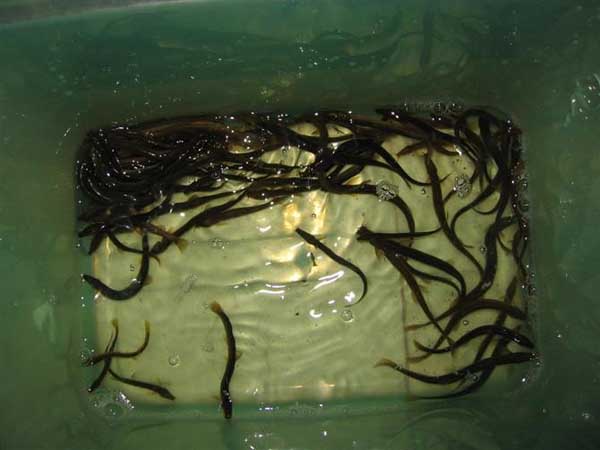
Loach is an omnivorous small freshwater fish, widely distributed in China, Japan, the Korean Peninsula, Southeast Asia and other countries and regions. In China, it is found in natural waters such as rivers, ditches, paddy fields, ponds, lakes and reservoirs everywhere except the Qinghai-Tibet Plateau, especially in the Yangtze River basin and the middle and lower reaches of the Pearl River. Let us take a look at the farming prospects of loach below!
The Farming Prospects of Loach
Among the loach currently farmed artificially, exports account for 20-40% of total output. Since loach exports are mainly concentrated in South Korea and Japan, and mostly remain live loach exports, some people worry that as the loach export market becomes increasingly saturated, loach prices will decline, thereby affecting the economic returns of loach farming. In fact, as our people's living standards improve, the demand for a healthy diet will become more and more urgent, and the nutritional value of loach is recognized, so the consumer market for loach will also gradually expand. If loach farming can draw on the brand management models of some conventional fish and carry out joint promotion with some large catering enterprises, and develop supporting deep-processing of loach, it is believed that loach farming can certainly achieve sustainable economic returns.
The Farming Returns of Loach
According to farming practice, the yield of loach per mu is about 1000-2000 jin, and the current market price of loach is around 16.5 yuan/jin. Based on this, the output value of loach farming can reach 30,000 yuan per mu. After deducting production costs such as fry, feed, land transfer rent, pond construction and labor input, the gross profit per mu is 15,000 yuan, and there is no problem with sales, as the market is in a state of supply falling short of demand. The current loach farming models mainly include paddy field farming and pond net-enclosure farming.
The Farming Advantages of Loach
1. Loach can use its skin and intestines for respiration. This enables loach to be very tolerant of low oxygen, allowing a high-density farming model without the phenomenon of general fish suffocating and floating to the surface due to lack of oxygen.
2. Loach has omnivorous feeding habits, and its feed is relatively easy to obtain. Grains such as corn, wheat and rice, as well as by-products such as rice bran and bean dregs, can all be used as loach feed.
3. Loach has strong reproductive capacity. One female loach can lay about 3000 eggs a year, and breeding can be carried out in spring, summer and autumn. The artificial breeding technology for loach is relatively simple, making it easy to obtain large numbers of loach fry, and the cost of artificially mass-breeding loach fry is not high either.
4. Loach grows relatively fast. Generally, loach fry produced by breeding in spring can reach a relatively large marketable size by winter.