What are the behavioral and habitat characteristics of loaches?
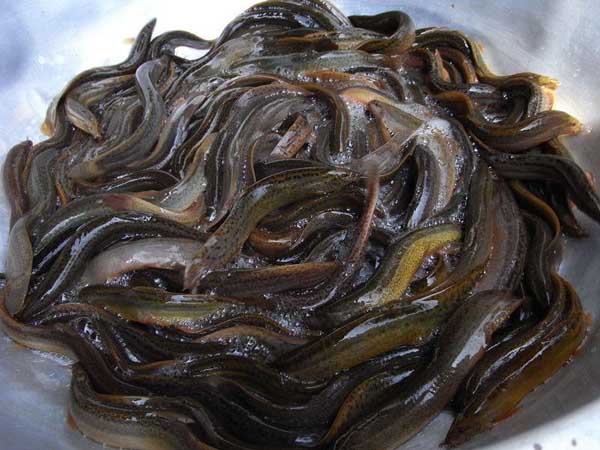
The loach is a warm-water fish with strong adaptability to the environment. It mostly inhabits still or slow-flowing shallow waters such as ponds, ditches, lakes and rice paddies, usually living at the bottom of the water. It sometimes likes to burrow into the mud, and prefers neutral and slightly acidic soil.
The loach can not only breathe with its gills, but also with its skin and intestines. Intestinal breathing is a physiological phenomenon unique to the loach. The intestinal wall of the loach is thin and rich in blood vessels, and has the function of assisting respiration and carrying out gas exchange. When dissolved oxygen in the water is insufficient, it can surface and gulp air; after gas exchange in the intestinal tract, the waste gas is discharged through the anus. Its resistance to oxygen-poor environments far exceeds that of other farmed fish.
Therefore, it is a farmed fish species with great potential for increasing production. According to sealed-device experiments, loaches only begin to die when dissolved oxygen in the water drops to as low as 0.46 mg/L-0.48 mg/L. Under pond culture conditions, when oxygen is lacking, the loach will swim to the surface to gulp air and carry out intestinal breathing; thus, even when dissolved oxygen is below 0.16 mg/L, it can still remain safe and sound.
The growth water temperature range of the loach is 13°C-30°C, and the optimum water temperature is 25°C-27°C. When the water temperature drops below 5°C-6°C, or in summer when the water temperature reaches as high as 34°C-35°C or above, or even when drought dries up the water, it will burrow into a 10 cm-30 cm mud layer to “hibernate”. During hibernation, as long as there is a little moisture in the soil and a small amount of water to wet the skin, it can maintain life.
Loaches are good at escaping. During the spring and summer floods, if there is the slightest hole in the pond wall, they will escape overnight. Therefore, when farming loaches, escape prevention management must be strengthened, and the water inlet and outlet must be equipped with escape prevention devices.