What are the nutritional benefits of loach? This article explains it all
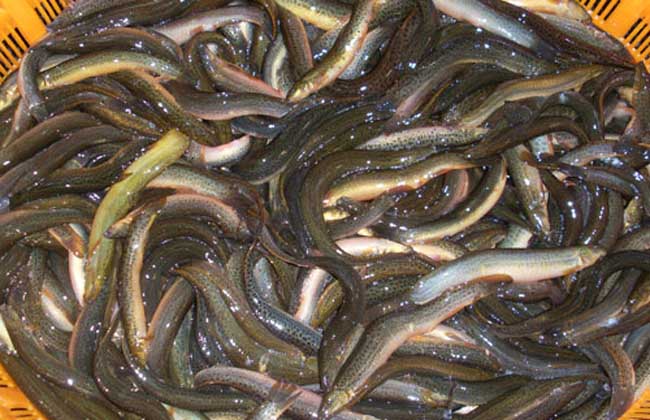
Loach has delicious meat and is rich in nutrients. It is high in protein and contains a variety of vitamins, and it also has medicinal value, making it a popular aquatic delicacy. Loach is low in fat and even lower in cholesterol, making it a high-protein, low-fat food. It also contains an unsaturated fatty acid similar to eicosapentaenoic acid, which helps the human body resist vascular aging, so it is beneficial for elderly people and patients with cardiovascular disease. When loach is cooked together with tofu, it has excellent tonic and therapeutic benefits. For treating diabetes: loach and fresh lotus leaves are boiled together into a soup.
Nutritional composition
Loach contains high-quality protein, fat, vitamin A, vitamin B1, niacin, iron, phosphorus, calcium and more. Its flavor is sweet and its nature is neutral, and it has the effects of tonifying the middle and replenishing qi, nourishing the kidneys and promoting sperm production. It has a good effect on regulating sexual function. Loach contains a special protein that promotes sperm formation. Adult men who regularly eat loach can nourish and strengthen the body. Its flavor is sweet and its nature is neutral, and it has the effects of warming the middle and replenishing qi, promoting urination, detoxifying and treating hemorrhoids. Loach meat is tender and has high nutritional value, and its slippery mucus has antibacterial and anti-inflammatory effects. It can treat damp-heat jaundice, difficult urination, night sweats after illness and other conditions.
Nutritional value
Loach is low in fat and even lower in cholesterol, making it a high-protein, low-fat food. It also contains an unsaturated fatty acid similar to eicosapentaenoic acid, which helps the human body resist vascular aging, so it is beneficial for elderly people and patients with cardiovascular disease. When loach is cooked together with tofu, it has excellent tonic and therapeutic benefits; for treating diabetes: loach and fresh lotus leaves are boiled together into a soup.
Edible benefits
It has the effects of tonifying the middle and replenishing qi, removing dampness and reducing jaundice, tonifying the kidneys and supporting yang, dispelling dampness and stopping diarrhea, warming the spleen and stomach, treating hemorrhoids, and stopping abnormal sweating.
Suitable groups
It can be eaten by the general population, and is especially suitable for people with physical weakness, cold-deficiency of the spleen and stomach, malnutrition, and children with weakness and night sweats, as it helps with growth and development; it is also suitable for elderly people and people with cardiovascular disease, cancer patients and those after radiotherapy and chemotherapy, and people with acute or chronic hepatitis and jaundice, and is especially suitable for acute icteric hepatitis, as it can promote the reduction of jaundice and transaminases; it is also suitable for people with impotence, hemorrhoids, and scabies-like skin itching.
How to keep loach fresh
Rinse the purchased loach with clean water, put it in a plastic bag with a small amount of water, tie the opening tightly, and place it in the refrigerator to freeze. The loach will not die for a long time and will only be in a state of hibernation; when cooking, take out the loach and put it in a basin of cold water, and when the ice melts, the loach will revive.