What are the common loach farming models?
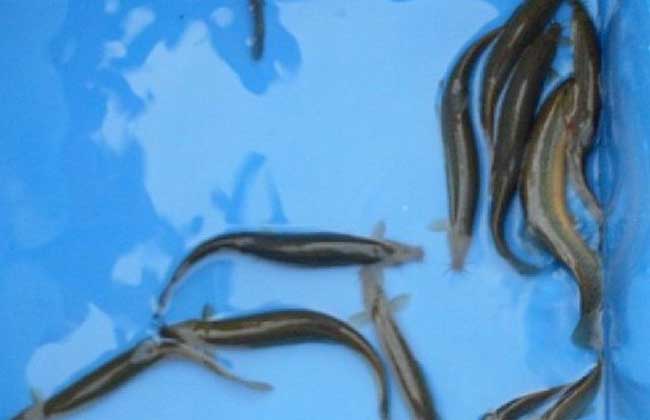
What are the common loach farming models? There are many loach farming models, including pond farming, cement pool farming, cage farming and rice paddy farming, etc. Let's take a look together below!
Pond loach farming model
The pond loach farming model involves raising loach specifically in a pond without polyculturing any fish. Ponds commonly used for loach farming can be converted from fish ponds, rice paddies, pits, river ditches, etc. Generally, the pond is required to be longer east to west, 20-30 m wide north to south, with an area of 3-5 mu, a pond depth of 0.8-1.2 m, and a water depth of 0.5-0.6 m. The pond embankment surface should be level with a uniform slope, with perimeter netting to prevent escape, good water quality cultivation, and a small number of floating plants transplanted in. Stock 400-500 jin of "Nongke No. 10" fry per mu, and after 90-120 days of rearing, the yield of finished loach per mu can reach more than 3000 jin. It is currently one of the main high-efficiency farming models in the loach farming industry.
Cement pool loach farming model
The cement pool loach farming model has the advantages of convenient feeding and management, durable farming equipment, easy harvesting, and easy water temperature regulation. Generally, the area of each pool is about 80-100 sq m, with a pool depth of 0.8-1 m. A 15-20 cm layer of fertile mud is spread on the bottom of the pool. Before stocking fry for farming, the cement pool must be dealkalized, disinfected, and fertilized. Generally, stock 2 jin of "Nongke No. 10" fry per square meter, and after 90-120 days of rearing, more than 14 jin of finished loach can be produced. It is a new high-efficiency model for developing intensive factory farming.
Cage loach farming model
The farming site should be selected in sheltered, sunny shallow waters at the edge of lakes or reservoirs, or in flowing-water ponds, with good water quality and no industrial pollution. The cage specifications can be large or small, with small ones measuring 1-2 m2 and large ones 20-40 m2, generally 10-20 m2 being suitable. The cage bottom needs to sink to the pond bottom, with an 8-10 cm layer of fertile mud spread on the cage bottom. The cage must stand more than 40 cm above the water surface to prevent loach from jumping out and escaping. When the water body has sufficient bait and good water quality, stock 1.5 jin of "Nongke No. 10" fry per square meter, and after 90-120 days of rearing, more than 10 jin of finished loach can be produced per square meter. It is another high-efficiency model for loach farming.
The cage body is made of polyethylene woven mesh, with a mesh size of 0.5-1.0 cm. The cage height depends on the farming water body, but the upper half of the cage must stand more than 40 cm above the water surface to prevent loach from escaping. The cage bottom must contact mud, with a 20 cm thick layer of manure and soil spread on the bottom layer, and soil on the topmost layer. The stocking density of loach fry in cages should be determined according to water body conditions; more can be stocked when the water is fertile and flowing, otherwise less. Cage loach farming mainly relies on artificial feeding, and a 2 m2 feeding platform should be set up inside the cage, with the platform 20-25 cm from the pond bottom; when feeding, put the bait on the feeding platform. Artificial feeding can use dough-like feed made from bran, silkworm pupae, and earthworms, or artificial compound hard pellet feed. Animal protein in artificial compound feed should account for more than 50%. The daily feeding amount is 3%-5% of the loach's body weight, fed in three times: morning, noon, and evening. Usually, frequently brush and wash the mesh to maintain water permeability inside and outside the cage, and allow sufficient bait organisms to enter the cage. At the same time, frequently check the mesh, and repair any holes immediately.
Rice paddy loach farming method
The rice paddy loach farming method makes full use of the water source of the rice paddy, the natural bait and weeds in the field, effectively reducing bait feeding and lowering farming costs. Rice paddy loach farming can promote increased rice yield, but the rice variety planted is required to have strong fertilizer resistance, hard stems, and resistance to lodging. For rice paddy loach farming, a loach collection ditch 1-1.5 m wide and 0.3-0.5 m deep needs to be dug along the inner side of the field ridge all around, to facilitate harvesting. The soil dug from the loach collection ditch is used to raise and widen the field ridge to control the water level. Stock 180-200 jin of "Nongke No. 10" fry per mu, and about 1400 jin of finished loach can be produced per mu. It is a farming model with development prospects.