What are the methods for choosing a loach breeding pond?
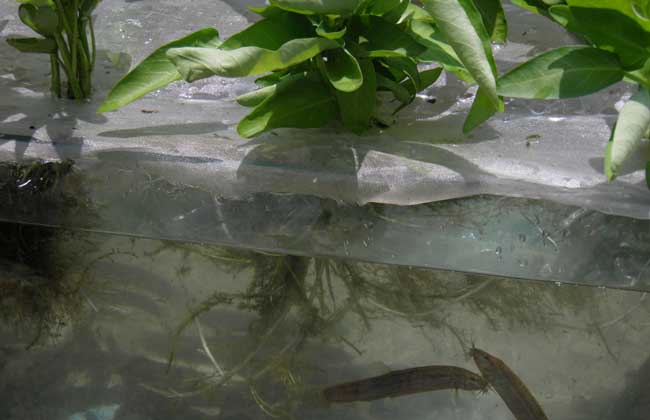
Choosing a suitable site to build the pond is the primary issue in raising loach. Based on the living habits of loach, the following points should be noted when choosing a loach pond site:
Location selection
The site requirements are good sunlight, warmth and ventilation, fresh air, convenient transportation, ample water sources, easy drainage, and no industrial or urban pollution sources in the surrounding area, and no exposure to pesticides or toxic wastewater. Specifically follow the standards of the "Environmental Technical Conditions for Green Food Production Areas."
Water source information
Loach has strong adaptability, and unpolluted rivers, lakes, reservoirs, wells, and tap water can all be used to raise loach. Water areas in most parts of our country can be used to raise loach; only in places with cold springs emerging and particularly severe drought and flood disasters is it unsuitable to raise loach. Specifically follow the "Fishery Water Quality Standard."
Water quality selection
Loach does not have very strict requirements for water quality, but currently pollution-free food aquaculture is practiced, and loach is no exception. Therefore, refer to the "Water Quality for Pollution-Free Food Freshwater Aquaculture" standard. According to the ecological habits of loach, the dissolved oxygen in aquaculture water can be above 3.0 mg/L, the pH is between 6.0 and 8.0, and the transparency is around 15 cm.
Soil quality selection
Soil quality has a great influence on the effect of raising loach. Loach grown in clay soil has a yellow body, more fat, soft bones, and a delicious taste; loach grown in sandy soil has a black body, less fat, hard bones, and a poor taste. Therefore, the soil quality of a loach pond is best as clay soil, neutral or weakly acidic.