Detailed Explanation of Loach Parent Selection and Breeding Techniques
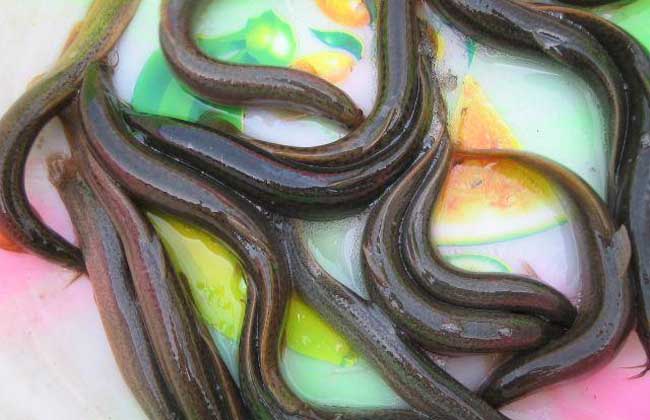
Source of broodstock
Collect natural loaches near the spawning season, or use individuals that the production unit has bred itself and selected for obvious growth advantages, to avoid inbreeding.
Broodstock requirements
Loach reaches sexual maturity at one year of age and begins to spawn. Mature female loaches have a large, round belly, smooth round pectoral fins, and are larger than males. The reproductive period of loach is generally from April to August. From late May to late June, when the water temperature is around 25°C, is the peak spawning period. For broodstock used in breeding, besides requiring a proper body shape, robust constitution, freedom from disease and injury, and normal body color, the following points should also be noted:
1. Female loach: Female loaches that have overwintered once have reached sexual maturity. Larger females carry more eggs, and the fry they produce are of good quality and grow fast. Therefore, choose female broodstock of 2 to 3 winters of age, with a body length of more than 10 cm, preferably 15 to 20 cm; a body weight of more than 18 g, preferably 30 to 50 g; a swollen, soft and elastic belly, a body color that is orange-yellow with luster, a white belly, and clearly visible characteristics. Larger females carry more eggs.
2. Male loach: Also choose male broodstock of 2 to 3 winters of age, with a body length of more than 10 cm, preferably 15 to 20 cm; a body weight of more than 12 g, preferably 20 to 40 g, and agile individuals. Larger males have more semen, and the fry they breed are of good quality and grow fast.
Broodstock cultivation
1. Stocking density: Put the captured broodstock into the cultivation pond at a female-to-male ratio of 1:1 to 2 for intensive cultivation, with a stocking density of 6 groups per sq m to 10 groups per sq m.
2. Feeding management: Place aquatic plants in the pond. In autumn, feed twice a day, mainly with animal-based feed such as minced animal meat, minced internal organs, and fish meal, supplemented with a small amount of plant-based feed such as wheat bran, soybean residue, rice bran, and oilseed cakes. Compound feed can also be given, with a feeding amount of 3% to 5% of body weight. In winter and early spring, stop feeding and add an appropriate amount of fermented pig manure as a top dressing. From late March, seize the warming season for intensive cultivation and feed high-protein feed. When the water temperature is 15 to 17°C, control the animal protein content in the feed at about 18% and the plant protein content at about 25%; when the water temperature is about 20°C, increase the animal protein content to 20% and reduce the plant protein content to 20%. The daily feeding amount is 5% to 7% of the loach's body weight. When the water temperature is about 25°C, increase the animal protein content to 30% and reduce the plant protein content to 10%. The daily feeding amount is 6% to 8% of the loach's body weight.
3. Water quality management: After selecting loach broodstock, the females and males can be cultivated separately or together. A dedicated pond should be used for cultivation; it cannot be replaced by a cage or bamboo basket. Before cultivation, it can be soaked with potassium permanganate at 20 g per cubic meter of water to kill pathogens. During cultivation, the stocking amount per 667 sq m (i.e. 1 mu) should not exceed 200 kg. During the broodstock cultivation process, fertilization should be strengthened. Never apply raw fertilizer; be sure to apply well-fermented decomposed fertilizer. The pond water level should not be lower than 40 cm, and new water should be added frequently to regulate water quality, so that the water is fertile and refreshing, with transparency preferably maintained at 15 cm. Keep the water quality neutral or slightly alkaline, and the water color yellow-brown or green-brown.