Key Technical Points for Loach Fry Breeding and Management
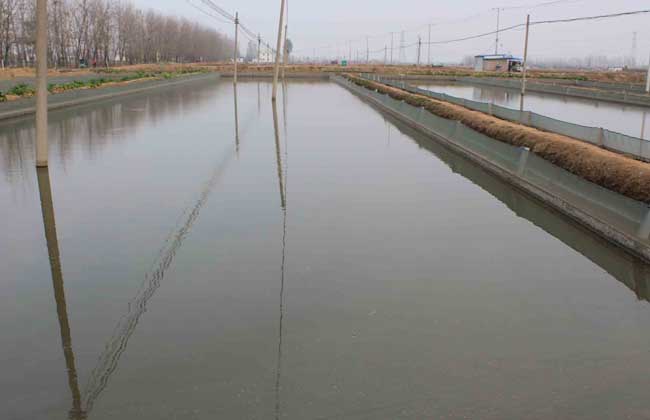
Early Breeding Stage
Based on the water color, apply additional fertilizer in appropriate amounts. Fermented farmyard manure such as pig, cattle, and chicken manure can be used, as well as chemical fertilizers such as superphosphate, urea, and ammonium bicarbonate, using the method of small amounts applied frequently. The water color should preferably be yellow-green, the water depth should be controlled within 30 cm, and the transparency should be controlled at around 20 cm. At the same time, for every 200,000 loach fry, grind 1 kg of soybeans into 15 kg of soybean milk and splash-feed it once each morning and evening. Loach fry that have started feeding can be transferred to nursery ponds for rearing. 7-10 days before using the nursery pond, disinfect it with quicklime, spread 10-12 cm of decomposed manure on the pond bottom as base fertilizer, fill with fresh water to 20-30 cm, and wait until the water color turns green with a transparency of 15-20 cm, then stock the loach fry for rearing. The stocking density in still water is 1000-1500 fry per sq m. In the early nursery stage, a combination of fertilizing the water and feeding should be used. Since loaches have strong selectivity for first-feeding bait, mainly feed along the edges with rotifers, water fleas, and other zooplankton filtered through a 50-mesh standard sieve. At the same time, splash fermented manure at 60-100 g/m3 twice a week or splash dissolved chemical fertilizer at 1-2 g/m3. After about 20 days of rearing, the fry can reach 1 cm in body length. At this point, loaches can consume aquatic insects, insect larvae, and organic debris. They can be fed animal-based feeds such as crushed animal innards, blood meal, and fish meal, as well as concentrated feeds such as rice bran, soybean powder, corn powder, and soybean cake crumbs. Feed once each morning and afternoon, with the initial daily feeding amount accounting for 2-5% of the loach fry's body weight.
Late Breeding Stage
After the loach fry reach a size of 2 cm, gradually increase the water depth to 50 cm. In addition to continuing to fertilize the water, compound feed should also be provided, feeding once each morning and afternoon, with a daily feeding amount of 4%-10% of the loach's body weight. The feeding amount should be flexibly adjusted based on water quality, weather, and feeding conditions. When the water temperature is above 15°C, the loach's appetite increases as the water temperature rises; at 25°C-27°C, the appetite is particularly strong; above 28°C, the appetite gradually decreases; when it exceeds 30°C or drops below 12°C, feed less or even stop feeding. After more than 1 month of further rearing, the loach fry can reach 3-4 cm in body length. At this point, they should be divided and transferred to ponds for rearing. 7-8 days before stocking loach fry in the pond, disinfect with quicklime, fill with water to 40-50 cm, and apply 150-200 kg of fermented manure per mu to fertilize the water. When a large amount of plankton has been cultivated in the pond, stock the loach fry at a density of 100-150 fry per sq m. Rearing is basically the same as above. After 3 months of careful rearing, large-sized loach fry with a body length of 8-10 cm and a body weight of 5-8 g can be produced.
Management Precautions
1. Satisfying the first-feeding bait of loach fry is key to improving their survival rate: newly hatched loach fry absorb nutrients from the yolk sac. Within two months after the yolk disappears, they mainly feed on rotifers and water fleas in the water. It is best to cultivate rotifers, water fleas, and other zooplankton in dedicated ponds to feed the loach fry. Manure and chemical fertilizers are both good fertilizers for rearing loaches. Fertilizer should be continuously added to the nursery pond so that the loach fry have sufficient natural biological bait.
2. Loaches have a habit of being selective in feeding and foraging at night: if their special habits are to be changed, artificial domestication is needed. Feed once every evening, gradually increasing the feeding amount from small to large, and gradually advance the feeding time until they can feed around 10 AM and 5 PM and can consume artificial feed.
3. Regulate water quality: frequently add fresh water, change the water 1-2 times a week, apply fertilizer diligently, and keep the pond water color "fertile, lively, tender, and refreshing." A yellow-green water color is best.
4. Pond inspection: inspect the pond once each morning, noon, and evening to observe loach activity and changes in water color, and handle any problems promptly.
5. Disease prevention: frequently clean and wash the feeding platform, disinfect the feeding platform, tools, and other equipment, and regularly feed drugs to prevent fish diseases.
6. Prevent pests and escape: frequently check the water inlet and outlet and the pond embankments to prevent the invasion of enemies and the escape of loaches.