Detailed Explanation of Natural and Semi-Natural Breeding Techniques for Loach
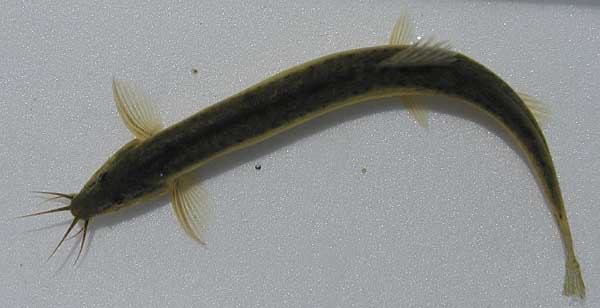
Completely Natural Breeding
Completely natural breeding, also called trap breeding, is a method that uses the natural resources of loach to artificially attract their spawning population and obtain fertilized eggs. When using this method, first during the spawning season, take advantage of the loach's spawning habit of preferring to spawn among aquatic plants along the shore, and accordingly select a quiet aquatic plant area; first spread 2 baskets of plant ash in the shallow water, then apply 0.6-0.8 kg of pig, cattle, sheep and other livestock manure water to the trapping area. This can attract a large number of loach to spawn and reproduce among the aquatic plants in this area, but corresponding protective measures should be taken for this natural area to prevent frogs and other predators from intruding and affecting the breeding effect. Artificial fish nests can also be used to collect fertilized eggs from natural waters and move them to specific containers for hatching, which can increase the hatching rate.
Semi-Natural Breeding
Semi-natural breeding is a method in which mature loach are allowed to mate and spawn on their own under artificial conditions. This method requires the construction of spawning ponds and hatching facilities. Before breeding, both the spawning pond and the hatching equipment must be disinfected and kept ready. Ratio of female to male parent loach: if the male loach are relatively large, use 1:1.5 or 1:2; if the male loach are only about 10 cm in body length, the female-to-male ratio can be adjusted to 1:3-4, increasing the number of male loach. 7-10 groups can be placed per square meter. To ensure normal breeding, it is best to carry out the procedure when the water temperature is stably above 18°C. In the north, this is roughly mid-May each year; in the waters along both banks of the Yangtze River, late April each year; in the south, it can be done at the end of March and early April each year. Tie the fish nests to bamboo poles and suspend them in the middle or at the four corners of the spawning pond, submerging them below the water surface. In addition, because loach eggs have poor adhesiveness, attention should be paid to checking and cleaning the dirt deposited on the fish nests so as not to affect the adhesion of the fertilized eggs.
Loach generally spawn on clear mornings, and spawning ends around 10 a.m. When spawning is basically finished, immediately move the fish nests with attached eggs to the hatching pond or other hatching facilities for incubation, and replace and supplement new fish nests in the spawning pond to collect eggs from parent loach that have not yet spawned. After the last batch of loach spawns, incubation can be carried out directly in the spawning pond, but all parent loach in the spawning pond must be caught out to prevent them from swallowing the eggs on the fish nests and affecting the seedling emergence rate.