How to prevent and treat loach branchiomycosis? A detailed practical guide
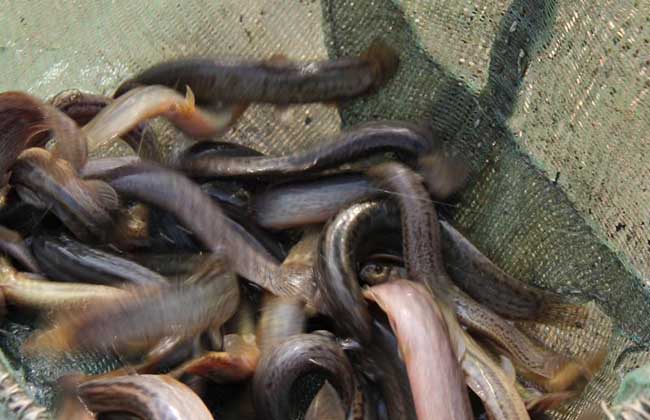
Loach branchiomycosis is a disease caused by branchiomyces parasitizing the gills of loach. So how should loach branchiomycosis be prevented and treated? Below, the editors of Qiansnong Network will give you a brief introduction to the prevention and treatment techniques for loach branchiomycosis!
Epidemiology
It is mainly prevalent from May to October, especially from May to July. When water quality deteriorates, particularly when the organic matter content in the water is high, this disease is prone to occur, and after a few days it can cause mass mortality of diseased loach.
Symptoms
Diseased loach lose their appetite, have difficulty breathing, and swim slowly. Mucus on the gills increases, and there are congested or bloodless spots on the gills, presenting a mottled gill appearance. In severe cases, the loach becomes highly anemic, and the entire gill turns bluish-gray. Microscopic examination reveals large amounts of fungus on the gills.
Prevention
Pay attention to changing the water regularly, keep the water quality in the pond fresh, and do not let it become overly eutrophic, as too high an organic matter content makes this disease prone to outbreak. If dead loach are found in the pond, remove them promptly. Especially in hot weather, dead loach must be removed. Otherwise, the loach carcasses decomposing at the bottom of the pond will release large amounts of harmful gases and large amounts of bacteria, and the decomposing carcasses will also breed mold, so timely disinfection and application of substrate improvers are necessary.
Treatment methods
1. First kill the parasites.
2. Kill bacteria and eliminate fungi at the same time. Iodine trioxide or sulfur ether sarafloxacin can be used together with salt water for whole-pond splashing.
3. Oral administration of water mold medicine and bactericidal medicine.
4. Change the water frequently.