Detailed Explanation of Key Points of Soilless Loach Farming Techniques
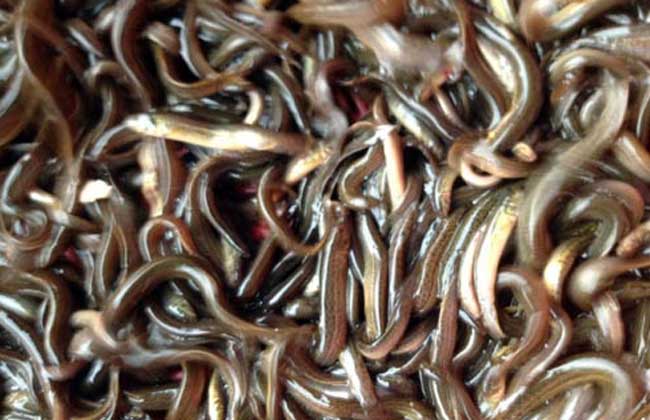
Traditional loach farming methods cannot do without a mud environment, and the several farming methods introduced earlier also rely on artificially creating a mud environment for loaches to inhabit and grow. However, the number of loaches inhabiting a unit area of mud is small, which not only means low utilization of the water body space, but also low harvesting efficiency. Soilless loach farming can do without mud. The basis of this method is to use non-mud materials such as porous plastic foam or wooden blocks and aquatic plants to provide a hiding and inhabiting space with holes for loaches to burrow into. It allows multi-layered, three-dimensional use of the water body and also makes it easier to harvest marketable loaches.
Porous plastic foam
Drill several holes about 2 cm in diameter every 5 to 7 cm. The size of each piece of plastic foam is not fixed, and a thickness of 15 to 20 cm is suitable. Stack them into a three-dimensional form and fix them in place. Let them float below the water surface, not emerging above the water.
Porous wooden blocks or concrete blocks
The size, thickness and spacing are the same as for the porous plastic foam, except that after stacking they are laid out in the water, arranged from the bottom upward.
Aquatic plant concealment
Place aquatic plants (water hyacinth, etc.) in the pond, floating on the water surface, to shade and conceal the loaches. In hot summer, they can not only absorb strong ultraviolet rays that would directly strike the loaches, but also regulate the water temperature. Aquatic plants have well-developed root systems, which not only provide loaches with a good habitat but also purify the water quality and improve the entire ecological environment in the breeding pond. The area covered by aquatic plants accounts for about 2/3 of the water surface.
Therefore, aquatic plants can be placed directly in the water for soilless loach farming, especially in large-scale farming, making the loach production process easy to manage and operate, with proper management. The growth rate and survival rate of the loaches will both improve greatly.