What are the prevention and treatment methods for common diseases of loach?
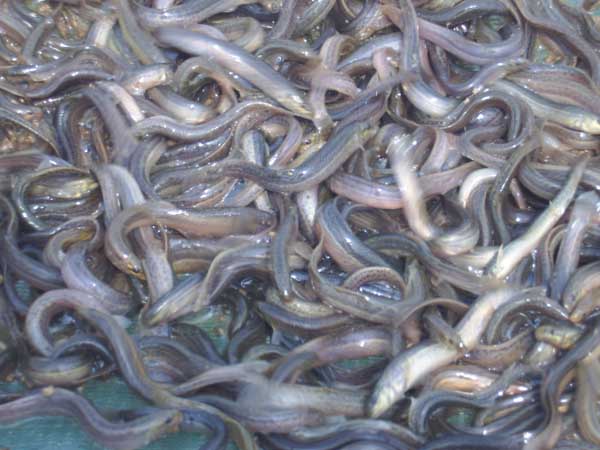
Common diseases in loach farming include: red skin disease, curved bone disease, saprolegniasis, parasitic diseases, gas bubble disease and harmful organisms, etc. The characteristics and prevention and treatment methods of these diseases are introduced below.
Red skin disease
This disease is caused by injury to the loach body during capture and transport, or by bacterial invasion due to water quality deterioration. The diseased loach develops congestion and ulceration on the fins, abdominal skin and around the anus, with whitening and ulceration of the caudal fin and pectoral fins being especially obvious, and the harm is relatively serious.
Prevention and treatment methods for red skin disease in loach
When this disease is found, 20 g of nitrofurazone can be dissolved in 1 cubic meter of water and the diseased loach soaked for 15 to 20 minutes; nitrofurazone can also be mixed into bait at 0.04% of the total loach body weight in the pond and fed for 3 consecutive days, with relatively significant curative effect.
Curved bone disease
The backbone of the diseased loach is curved, caused by abnormal water temperature during incubation and lack of vitamins.
Prevention and treatment methods for curved bone disease in loach
Maintain suitable temperature during incubation, prevent sharp changes in water temperature, and feed mixed feed.
Saprolegniasis
Due to lower water temperature or injury to the loach body in winter, infection with saprolegniasis is likely after the beginning of spring. The diseased loach is covered with white cotton-like water mold.
Prevention and treatment methods for saprolegniasis in loach
When this disease is found, soak the diseased loach in 2% to 5% salt water for 5 to 10 minutes, or soak in formalin solution at a concentration of 10 mg/L for 15 to 30 minutes, and saprolegniasis can be cured.
Parasitic diseases
At the seedling stage of loach, parasites such as Trichodina and Gyrodactylus are common. Loach fry invaded by parasites often float on the water surface, are restless, or spin on the water surface.
Prevention and treatment methods for parasitic diseases in loach
For affected ponds, a mixture made of 0.5 g copper sulfate and 0.2 g ferrous sulfate per 1 cubic meter of water can be splashed over the whole pond.
Gas bubble disease
At the fry stage of loach, excessive oxygen or other gases in the water can easily lead to gas bubble disease. The diseased loach has gas in the intestine, a bulging abdomen, and floats on the water surface.
Prevention and treatment methods for gas bubble disease in loach
For severely affected ponds, salt water at a concentration of 1 g/L can be splashed over the whole pond, or fresh water can be added. Usually, attention should be paid to feeding an appropriate amount and a varied diet, and strengthening water quality management can prevent the occurrence of this disease.
Harmful organisms
The main harmful organisms of loach are frogs, aquatic insects, birds and ferocious carnivorous fish.
Prevention and treatment methods for harmful organisms
1. Remove weeds around the pond, keep the farming environment clean, strictly prevent frogs from entering, capture frogs promptly when found, and remove frog eggs promptly.
2. The water inlet must be blocked with sieve silk net to prevent wild miscellaneous fish from entering the pond with the incoming water.
3. Drive away birds promptly when found.