What are the living habits of loaches? A comprehensive guide
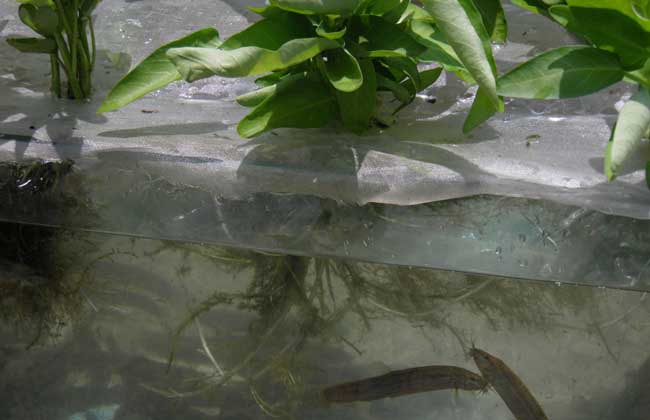
The loach is a warm-water fish. When the water temperature rises to 30°C, the loach burrows into the mud to aestivate. When the water temperature drops below 5°C in winter, it burrows 20-30cm deep into the mud to overwinter.
Loaches mostly come out at night to prey on plankton, aquatic insects, crustaceans, fragments of higher aquatic plants and algae, and sometimes also ingest bottom humus or mud debris. The loach reaches maturity at 2 winters of age, and begins breeding every year in April (water temperature 18°C), spawning in shallow-water grass beds less than 30 cm deep, and the spawned eggs adhere to aquatic plants or to terrestrial grasses submerged by water. The hatched fry often live dispersed and do not form schools.
Loaches like to inhabit the bottom layer of still water, and are often found on the surface of silt rich in plant debris at the bottom of lakes, ponds, ditches and paddy fields, with strong adaptability to the environment.
The loach can not only breathe with its gills and skin, but also has a special intestinal respiration function; when the weather is muggy or the silt and humus at the bottom of the pond rot, causing severe oxygen deficiency, the loach can also leap out of the water, or rise vertically to the water surface, directly swallow air with its mouth, and rely on the intestinal wall to assist breathing, and when it turns its head and slowly dives, the waste gas is expelled through the anus.