Detailed Explanation of Key Points for Ecological Loach Farming Techniques
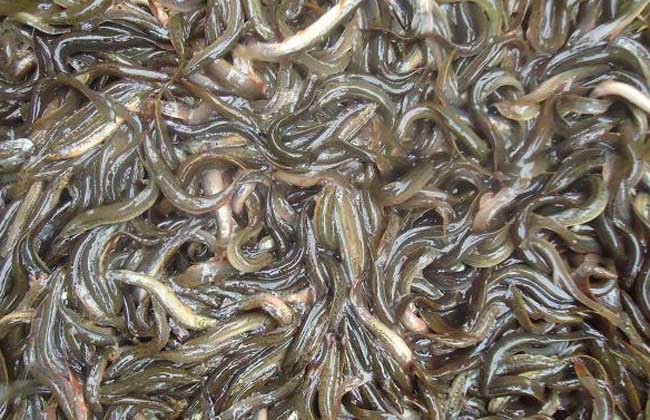
Ecological loach farming mainly includes models such as rice field, arrowhead field, water chestnut field, wild rice stem field, and lotus root field farming. These fields contain abundant natural bait, and the crops also provide good shade, while the water depth of the paddy field also suits the growth of loach. Generally, 0.2 kg of loach fry can be stocked per square meter of water surface, and after half a year of farming, 0.5 kg of adult loach can be harvested. Crops and loach are both suitable for co-cultivation.
Carefully Prepare the Field Plot
The field plot selected for loach farming requires an adequate water source. Before releasing the loach, widen and compact the field ridges, and insert cement boards or plastic boards around the field plot, burying them 30 cm into the mud to prevent escape. At the same time, dig a surrounding ditch along the field edge and field ridge, and dig vertical and horizontal compartment ditches in the center of the field. The surrounding ditch connects with the compartment ditches, with a ditch width of 50 cm and a depth of 25-30 cm, which can divide the farming field plot into 4 equal small plots. The water inlet and outlet should be blocked with wire mesh or plastic mesh to prevent the loach from escaping.
Apply Sufficient Base Fertilizer
Loach mainly preys on water fleas, water earthworms, chironomid larvae, etc. Moderate fertilization can promote the growth of bait organisms. First drain the pond water and expose it to the sun for 3—4 days, then spread 130 kg of rice bran per mu. The next day, apply 200-300 kg of fermented livestock manure per mu as a topdressing, then expose it to the sun for another 4-5 days to allow it to rot and decompose, and then store water.
Stocking Fry and Seedlings
After sowing crops in the paddy field, loach should be stocked in a timely manner. Select loach fry about 3 cm long, with a stocking rate of 20,000-25,000 fry per mu. If there is a flowing water environment or a relatively high level of feeding and management, a slightly larger stocking rate may be appropriate.
Bait Management
Loach is an omnivorous fish. In addition to fertilization, it should also be fed fly maggots, silkworm pupae, earthworms, snail and mussel meat, and bean dregs; as well as animal and plant feeds such as wheat bran, rice bran, and soybean cake. It is necessary to achieve fixed quality, fixed time, fixed covering, and fixed location. Generally, when the water temperature is below 20 degrees, plant-based feed should account for 70-80%; at 20 degrees to 25 degrees, animal and plant feeds should each account for half; at 25 degrees to 30 degrees, animal feed should account for 60%-70%. In the first month after stocking the loach, a mixed feed of equal parts silkworm pupae and stir-fried rice bran should be fed, put in all at once at around 5 p.m. each day. The feeding amount should be based on the standard that it is finished with a slight remainder by the next morning. Each feeding amount should be about 3%-5% of the total loach weight. When the water temperature is high, the feeding amount can be increased accordingly. After one month of stocking, apply 15 kg of livestock manure per 100 square meters as a topdressing every 15 days, and at the same time feed animal and plant bait; in the later stage, it is best to fertilize and feed in fish collection pits or compartment ditches to facilitate concentrated harvesting.