Detailed Explanation of Key Techniques for Loach Rice Field Farming
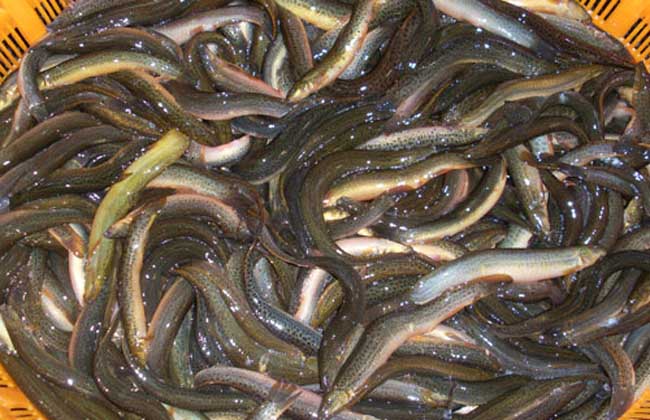
Loach is an aquatic economic animal with delicious meat, high nutritional value, and strong adaptability, and is very popular among consumers. The loach farming industry has gradually emerged, but the use of rice fields for loach farming is still uncommon.
Selection of Rice Fields
Rice fields with good water source conditions, loose and fertile soil, strong water and fertilizer retention performance, and easy management should be selected. At the same time, the field ridges should be raised and reinforced. Before stocking loach seedlings, sufficient organic fertilizer should be applied, and quicklime should be used to thoroughly disinfect the rice field.
Stocking Time and Stocking Density
Stocking can begin after the rice seedlings are transplanted. Stock 10 kg of parent loach per mu. Without feeding, about 75 kg of loach can be produced per mu. Note: Rice fields used for loach farming should not simultaneously be used for mixed farming of other fish species.
Field Management
Rice fields stocked with loach should be managed by dedicated personnel. When controlling rice pests, choose high-efficiency and low-toxicity pesticides, and apply them according to conventional dosage. When spraying pesticides, deep water should be irrigated and the nozzle should be pointed upward. Since loach inhabits the mud, generally speaking, applying pesticides and chemical fertilizers in rice fields used for loach farming by the above methods is much safer than farming other fish in rice fields, but the use of toxaphene, carbofuran, quicklime, tea seed cake, etc. must be prohibited. In high-temperature seasons, appropriately irrigate deeper water in the field to regulate water temperature and avoid scalding the loach to death. Normally, frequently inspect and repair fish-blocking facilities and promptly plug loopholes to strictly prevent poultry from entering the field and eating the loach.
Harvesting Methods
Because loach lives hidden in the mud, it is difficult to catch. However, according to the characteristics of loach's living habits in different seasons, the following methods can be used for harvesting: In winter, pile several piles of pig and cattle manure in the deeper mud layer of the field in advance as compost to lure the loach to gather in the manure piles for repeated harvesting; in spring, open the water inlet and outlet and attach bamboo baskets, and the loach will naturally enter them with the water; in autumn, drain all the water from the field and dry it thoroughly, drying until the field surface forms a hard crust, then irrigate a thin layer of water, and after large numbers of loach emerge from the mud, catch them with nets.