What to Do When Crayfish Get Black Gill Disease? Detailed Prevention and Treatment Methods
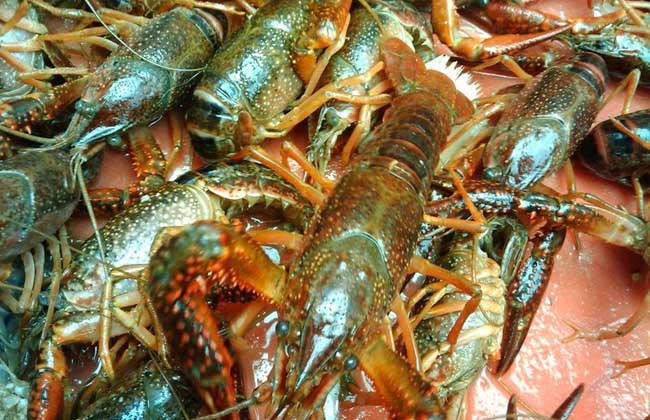
Freshwater crayfish are a low-fat, low-cholesterol, high-protein nutritious food, increasingly favored by consumers, and currently sell at high prices in the market. During the farming process, black gill disease sometimes occurs. What are the symptoms and characteristics of this disease? How should it be prevented and treated? Let's take a look together below!
Causes of Black Gill Disease in Crayfish
Black gill disease in crayfish is caused by the deterioration and pollution of water quality, which promotes the massive reproduction of Fusarium, parasitizing the gill filaments, body wall, bases of appendages, or eyeballs of crayfish.
Symptoms of Black Gill Disease in Crayfish
The gills of crayfish first change from slightly red to brown or light brown, and then gradually turn black, causing gill atrophy and gradual degeneration of function. Affected crayfish often float to the water surface or cling to aquatic plants and expose themselves out of the water, moving slowly and sluggishly, and eventually die from breathing difficulties.
Prevention and Treatment of Black Gill Disease in Crayfish
1. Before releasing the fry, thoroughly clear the pond with quicklime, etc.
2. Ensure the pond water is fresh and clean with sufficient dissolved oxygen, and promptly remove leftover bait and debris from the pond.
3. Use potassium permanganate at a concentration of 0.2-0.3 mg/L to splash and disinfect the entire pond.
4. During the disease outbreak, splashing the entire pond with bleaching powder at a concentration of 1 mg/L or methylene blue at a concentration of 7 mg/L has a certain therapeutic effect.