Methods and Technical Key Points for Building a Crayfish Farming Base
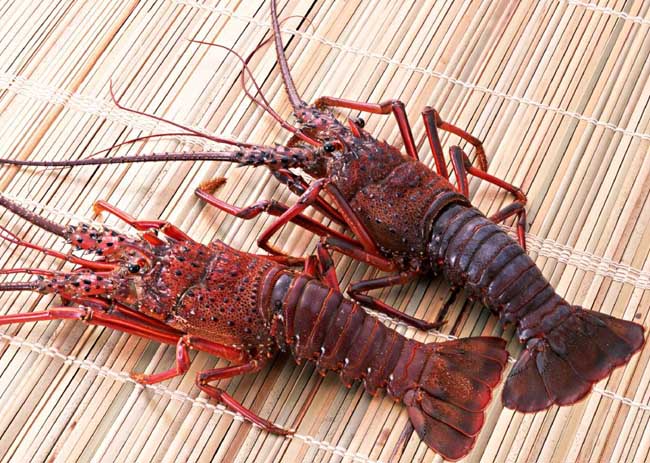
Crayfish are freshwater economic shrimp, widely popular for their delicious meat. Because of their omnivorous diet, fast growth rate, and strong adaptability, they form an absolute competitive advantage in the local ecological environment. Today, the editor of Qiannong Network will introduce to you the methods for building a crayfish farming base!
Base Selection
Choose a place that is well ventilated and sunny, with a quiet environment, abundant water sources, and no pollution, rich sources of bait, lush vegetation, sufficient dissolved oxygen, convenient drainage and irrigation, and convenient transportation and power supply. Water source selection: water from rivers, lakes, reservoirs, and ponds can be used as water sources; well water and spring water can also be used, with a water pH of 6—8.
Base Environment
The shrimp pond can be large or small in area, preferably oriented east-west and facing the sun. The inside of the pond should have slight slopes around it, and the pond bottom should be flat, with a slight incline toward the drainage outlet to facilitate draining the pond water. The surroundings of the pond must be earthen embankments, mainly because crayfish burrow to inhabit and to let them safely overwinter. The pond ridge should be 40—50cm above the water surface, and the width of the pond ridge should reach 100cm, mainly to prevent crayfish from burrowing and causing water seepage. If the pond water area exceeds 3 mu, 1—2 additional field ridges can be built in the pond, evenly distributed in field, well, and cross shapes, mainly to let crayfish burrow and inhabit and spawn and reproduce.
Base Disinfection
The commonly used methods are as follows.
1. Quicklime: Leave only 5—10cm of standing water in the pond, break up quicklime and evenly sprinkle it into the pond water to dissolve. The usual amount of quicklime is 20—40 jin per mu. On the second day after using quicklime, use an iron rake to stir the pond bottom so that the lime slurry and silt are fully mixed.
2. Bleaching powder: Drain the pond water, use 0.5—1 kg of bleaching powder with an effective rate of more than 30% per mu. For ponds that are not drained, use 1.5—2.5 kg of bleaching powder with more than 30% effective rate per mu per 1m of water depth. When using, first put the bleaching powder into a wooden basin or iron bucket, add water to dilute it, and splash it into the pond. Do not release the disinfected water; keep it in the pond. Start adding water the next day until the water level meets the rearing requirements. Note: quicklime has a calcium content of more than 50% (theoretical value: 71.4%). Crayfish molt during growth and must take in sufficient calcium.
Base Fertilization
After the water level meets the rearing requirements, apply organic fertilizer, such as fermented pig, cattle, and other animal manure, at 150—250 kg per mu, so that the water depth is between 80cm—120cm. After three days, if the pond water is not fertile, splash fermented agricultural machinery fertilizer water several times in small amounts, so that the pond water gradually turns to an appropriate fertility, with water transparency of 25—35cm, preferably clear green. Plankton will gradually appear in the pond. After five days of disinfection, seed shrimp can be introduced.
Base Escape Prevention
Crayfish like to move at night and crawl along the ground. The escape prevention method is: on the outer side of the pond ridge, use asbestos tiles, floral silk cloth, plastic film, or steel wire mesh, with wooden stakes as supports, to build a 50cm-high escape prevention wall, with the bottom buried in the soil about 30cm and sealed tightly, ensuring that no crayfish can escape.
Special Tips
In the pond, an appropriate amount of aquatic plants (various aquatic plants) can be cultivated. Aquatic plants are auxiliary materials and natural bait on which shrimp depend for survival. They can also purify the pond water, absorb crayfish feces, and regulate water fertility. The growth area of aquatic plants should be controlled within one quarter and should grow in scattered patches. Before the aquatic plants enter the pond, soak them in 100 jin of water with 1 jin of quicklime dissolved in it for 10 minutes to kill harmful substances and pathogens in the aquatic plants. At the same time, auxiliary objects and hiding places can be set up at the pond bottom for crayfish to inhabit. For stocking seed shrimp, they can be introduced when the water temperature is stable above 10°C. Choose a sunny morning or evening for stocking, and avoid too large a temperature difference in the pond water when releasing the seedlings.