Detailed Explanation of Key Management Techniques for Polyculture in Crayfish Ponds
The red swamp crayfish, also known as crayfish, has strong adaptability, grows rapidly, has delicious meat, is rich in nutrients, and is in strong market demand, making it highly favored by farmers and consumers. In production practice, red swamp crayfish are mostly polycultured, such as in adult fish ponds, fingerling ponds, and river crab and freshwater shrimp culture ponds, all of which can be used for polyculture of red swamp crayfish. The following issues should be noted when polyculturing red swamp crayfish in ponds.
The pond should have convenient water intake and drainage, be able to maintain a water depth of 1-1.5 m, have a pond slope ratio of 1:3, and have anti-escape facilities around the pond perimeter.
It is advisable to use pond-clearing drugs that are harmless to crayfish for pond clearing, and to thoroughly kill predatory organisms such as snakehead, catfish, water snakes, and frogs, as well as pathogenic bacteria and parasites.
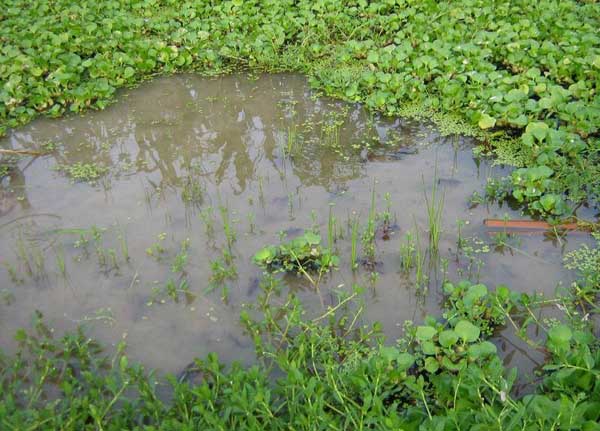
A certain amount of aquatic plants, branches, and other hiding places should be maintained in the pond for crayfish to inhabit, climb, molt, and feed. Some aquatic plants can be planted, such as: Hydrilla verticillata, Alternanthera philoxeroides, Vallisneria natans, and water hyacinth. The area covered by plants should preferably account for 1/5-1/3 of the pond water surface.
Carnivorous fish must not be cultured in polyculture ponds, and grass carp, bream, and other fish that feed on aquatic plants should not be stocked in excessive numbers. Species that can be polycultured include silver carp, bighead carp, allogynogenetic crucian carp, river crab, and freshwater shrimp. Suitable polyculture species can be selected according to local conditions.
Wild juvenile shrimp caught can be used as shrimp seed, with a size of more than 3 cm, intact limbs, and strong activity. It is advisable to stock 0.6-10,000 shrimp seed per mu. Egg-bearing shrimp can also be selected for pond breeding and culture.
The amount of bait fed must be sufficient. When hungry, crayfish may cannibalize each other and may also eat molting river crabs, freshwater shrimp, and juvenile fish, so bait must be sufficient to meet the feeding needs of crayfish.
The bait should be palatable. Powdered bait must not be directly scattered into the pond, which would make it difficult for fish and shrimp to eat, causing both waste of bait and pollution of water quality.
The pond water quality should be kept fertile, lively, tender, and refreshing, with water transparency of about 30 cm, pH 7-8.5, and dissolved oxygen above 4 mg/L.
Quicklime is used to regulate water quality and increase calcium in the water, which is beneficial for crayfish molting and growth. During the peak growth season for fish and shrimp, apply once every 15-20 days, using 10-15 kg of quicklime per mu each time, slaked into lime slurry and evenly spread over the whole pond.
When preventing and treating fish and shrimp diseases and insect pests, fishery drugs harmful to crayfish must not be used, especially when selecting insecticides, special attention should be paid.
After 30-40 days of shrimp seed being stocked, harvesting can begin for adult shrimp reaching a size of more than 8 cm. Using ground cages and other net cage fishing gear causes no harm to fish or shrimp, harvesting the large and leaving the small, for balanced marketing. When conditions permit, shrimp seed can be restocked according to pond conditions, implementing rotational harvesting and restocking.