Can Crayfish Be Eaten? A Comprehensive Analysis of Food Safety
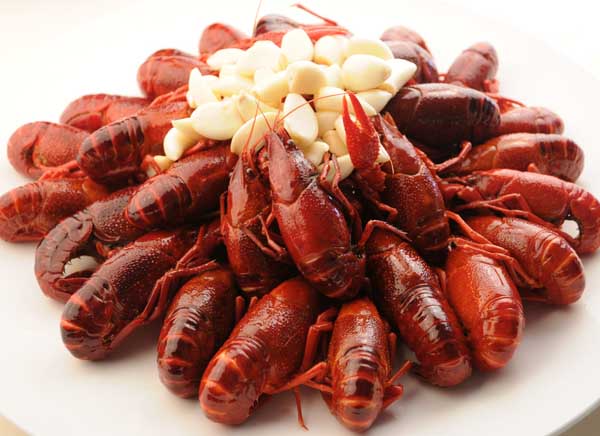
As for whether crayfish can be eaten, the answer is yes. While crayfish do contain a large amount of bacteria and parasites in their heads, it is by no means as sensational as rumor has it, nor is it true that nobody eats them abroad and they are only used to treat sewage. As long as crayfish are properly handled and cooked, they are safe to eat.
What should you pay attention to when eating crayfish?
1. Crayfish contain a large amount of bacteria and parasites, but these are basically all in the head. Therefore, you must remove the head when eating them. Never eat the head just to save money. Since most restaurants sell crayfish with the head still on to save effort, you must remove the head before eating.
2. The digestive tract (the dark vein along the back) must be removed; this part is the second dirtiest area after the head. Many restaurants also skip removing it to save effort, so it is recommended that you buy crayfish and cook them yourself at home as much as possible.
3. Clean crayfish carefully and thoroughly. For crayfish sold outside, vendors will not clean them particularly carefully in order to save effort, and many unscrupulous vendors use "shrimp washing powder" to clean crayfish, and the residue of this washing powder is quite harmful.
4. When eating cooked crayfish, if you find that the tail is straight, then these crayfish were dead before cooking, and you must not eat them. If the tail is curved and the body is curled up, it means they were alive, and they can be eaten and have a certain amount of nutrition.
5. The last point is that the cooking time must be sufficient, no less than 20 minutes. Outside vendors, in order to save fuel costs and time, often do not cook them long enough, which poses a hygiene and safety risk.
Healthy Ways to Eat Crayfish
Whenever crayfish season comes around, many crayfish lovers can hardly wait to eat a whole basin of them, but some people experience diarrhea, allergies and other problems after eating. Today, the editor will tell you how to eat crayfish in a healthy way. We
After buying the crayfish, it is best to keep them in clean water for 24-36 hours so they can expel mud and other impurities from their bodies. When processing crayfish, the dirt in the two gills must be removed, because the gill hairs absorb a lot of bacteria; it is best to cut off the gills, and the shell is best scrubbed with a brush. The base of the small claws is the place most likely to harbor dirt, and it must be cut off. Finally, they must be brushed and washed before cooking.
When cooking crayfish, they must be boiled thoroughly at high temperature, so as to ensure that the bacteria and parasites in their bodies are killed. Dead crayfish must never be eaten. Because crayfish are high-protein organisms that naturally contain many bacteria, once they die, the bacteria immediately decompose them, and eating them can easily cause poisoning and diarrhea.
In addition, whether crayfish have been washed with shrimp washing powder cannot be tasted by eating, but it can be identified by observation. Crayfish washed with shrimp washing powder often look very clean, and their color is also very bright. However, after being corroded, the claws of crayfish fall off easily. If the crayfish on the table generally have relatively few claws, the likelihood of shrimp washing powder having been used is relatively high.
How to Select and Clean Crayfish?
1. Selection
Selecting crayfish is the most crucial step. The best time to eat crayfish is from May to October, when they are full of roe and fat, and even the three segments of the large claws are packed from tip to base with springy, snow-white meat.
To tell whether the crayfish came from clean or muddy water, first look at the back: if it is bright red and clean, then it is acceptable. Then turn it over and look at the fuzz on its abdomen and the fine hairs on its claws; if these are white, clean and neat, it was basically raised in clean water.
After all, crayfish eat decaying animal carcasses, so bacteria and toxins will only accumulate more and more in their bodies. Therefore, try to buy crayfish that have just grown up. Old crayfish are either so red they are almost black or have a steely blue-gray tinge within the red, while young adult crayfish are red in a vivid yet refined way, with a natural, healthy luster. Then touch its shell with your hand: if it is hard as iron, it is definitely old; if it is elastic like a fingernail, it has just grown up and recently molted.
2. Cleaning and Trimming
In fact, restaurants only use heavy flavors such as thirteen-spice seasoning to cover up the fishy smell of the crayfish. They may skip proper cleaning to save time, and more likely to keep the crayfish's appearance intact and attractive.
① Cut off most of the crayfish's head shell, and at the same time use scissors to pick out the dark, sandy stomach sac from the exposed area where the head joins the back;
② Cut away the shell on both sides of the gills, then diagonally cut off the gill whiskers;
③ Pull the middle tail segment with your hand, and with one smooth pull, draw out the dark intestine;
④ Make a vertical cut along the back so the flavor penetrates better (this step is optional and depends on each person's technique and preference);
⑤ Under running tap water, use a toothbrush to scrub up and down, left and right while rinsing; be careful not to wash away the shrimp roe, then drain the water off.
Food and drug supervision departments in Shanghai and other places once found in some aquatic product markets that vendors used so-called “shrimp washing powder” to clean shrimp. Different “shrimp washing powder” products have different ingredients; some are alkaline substances, and some are citric acid and sulfites. The latter two ingredients are legal food additives, but “shrimp washing powder” also contains many components that have not been separated out, and using this product will bring hidden health risks to consumers and even carries a risk of causing cancer. Therefore, crayfish bought from the market should be rinsed more with clean water to avoid residues of harmful substances such as “shrimp washing powder.”
The Nutritional Value of Crayfish
Crayfish have a very high protein content, about 18.9%, higher than most fish and shrimp. The amino acid composition of crayfish is better than that of meat, and it contains the 8 essential amino acids that the human body needs but cannot synthesize or cannot synthesize in sufficient amounts. These include not only isoleucine, tryptophan, lysine, phenylalanine, valine and threonine, but also arginine, which is found in very small amounts in vertebrates. In addition, crayfish also contain histidine, which is also essential for young children.
The fat content of crayfish is only 0.2%, not only much lower than that of livestock and poultry meat, but also much lower than that of freshwater shrimp and prawns. Moreover, most of its fat is composed of unsaturated fatty acids essential to the human body, which are easy for the human body to digest and absorb and have the effect of preventing cholesterol from accumulating in the body.
Like other aquatic products, crayfish contain mineral components essential to the human body, among which calcium, sodium, potassium, magnesium and phosphorus are relatively abundant, and iron, sulfur, copper and others are relatively important. The total mineral content in crayfish is about 1.6%, among which the contents of calcium, phosphorus, sodium and iron are all higher than those in general livestock and poultry meat, and also higher than those in prawns. Therefore, regularly eating crayfish meat can help maintain the excitability of nerves and muscles.
Crayfish are rich in fat-soluble vitamins, including vitamin A, vitamin C and vitamin D, in which terrestrial animals are somewhat lacking.
People Who Should Not Eat Crayfish
People with chronic illnesses and those currently suffering from excess internal heat should not eat shrimp; elderly people with allergic rhinitis, bronchitis or recurrent allergic dermatitis should not eat shrimp.
Shrimp is a "wind-generating" food that can trigger flare-ups, so people with scabies or ringworm of the skin should avoid eating it. People allergic to crayfish should not eat shrimp; people with gout should not eat shrimp, because crayfish contain a large amount of purines, which can easily trigger gout.