What should shrimp not be eaten with? Pay attention to these food combination taboos
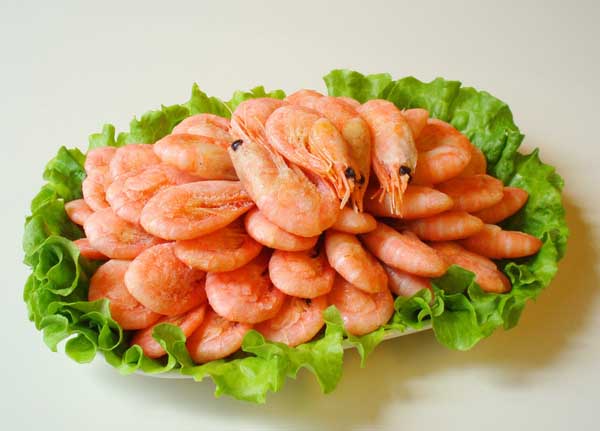
What should shrimp not be eaten with? Shrimp is one of the seafoods rich in high protein, so fruits with a relatively high vitamin C content should not be eaten together with shrimp, otherwise it is tantamount to eating arsenic. Moreover, when eating shrimp, it is also not advisable to drink fruit juice or tea. Eating river shrimp together with tomato can easily cause food poisoning. Although shrimp is delicious, if you want to eat it healthily, you cannot fail to master this common knowledge.
Nutritional components of shrimp
1. Table of nutritional components contained in every 100 grams of shrimp:
Nutrient content Nutrient content Nutrient content Moisture 78.1 g Energy 364 kJ Protein 16.4 g Dietary fiber 0 g Vitamin A 48 mg Carotene 0 mg Retinol 48 mg Thiamine 0.04 mcg Riboflavin 0.03 mg Niacin 0 mg Vitamin C 0 mg Vitamin E (T) 5.33 mg Calcium 325 mg Phosphorus 186 mg Potassium 329 mg Sodium 133.8 mg Magnesium 60 mg Iron 4 mg Zinc 2.24 mg Selenium 29.65 mcg Copper 0.64 mg Manganese 0.27 mg Iodine 0 mg Copper 0.64 mg Isoleucine 0 mg Leucine 1573 mg Lysine 1406 mg Sulfur-containing amino acids (T) 492 mg Methionine 492 mg Cystine 0 mg Aromatic amino acids (T) 1283 mg Phenylalanine 683 mg Tyrosine 600 mg Threonine 694 mg Tryptophan 0 mg Valine 846 mg Arginine 1155 mg Histidine 390 mg Alanine 1240 mg Aspartic acid 1891 mg Glutamic acid 3027 mg Glycine 1064 mg Proline 721 mg Serine 728 mg2. Shrimp is rich in nutrients, and its meat is soft and easy to digest. It is an excellent food for people who are weak and who need recuperation after illness.
3. Shrimp contains abundant magnesium. Magnesium plays an important regulatory role in heart activity and can protect the cardiovascular system very well. It can reduce cholesterol levels in the blood, prevent arteriosclerosis, and at the same time can dilate coronary arteries, which is helpful for preventing high blood pressure and myocardial infarction.
4. Shrimp has a relatively strong effect of promoting lactation, and is rich in phosphorus and calcium, with especially beneficial effects for children and pregnant women.
5. No matter what kind of shrimp, all are rich in protein and have very high nutritional value. Their meat is as soft as fish and easy to digest, and they have no fishy smell or bones. At the same time, they contain abundant minerals (such as calcium, phosphorus, iron, etc.). Sea shrimp are also rich in iodine, which is extremely beneficial to human health. According to scientific analysis, protein accounts for about 16-20% of the edible portion of shrimp.
What should shrimp not be eaten with?
1. Fruits rich in vitamin C. Shrimp meat contains a high concentration of pentavalent arsenic compounds, which are harmless to the human body by themselves, but if a large amount of vitamin C is taken at the same time, the pentavalent arsenic will be reduced to trivalent arsenic, that is, arsenic trioxide, commonly known as arsenic, which can cause acute arsenic poisoning and in severe cases can even endanger life. Therefore, when eating shrimp, do not eat it together with fruits rich in vitamin C, such as lemon, citrus, and so on.
2. Foods with a relatively high tannic acid content. Because shrimp meat contains relatively high nutrients such as protein, calcium, and phosphorus, if it is eaten together with foods containing a relatively high amount of tannic acid, it will not only reduce the nutritional components of the shrimp meat, but also cause the calcium in it to combine with tannic acid to form a substance that is not easy to digest, leading to symptoms such as vomiting, dizziness, nausea, and abdominal pain. Therefore, tea and foods with a relatively high tannic acid content such as persimmon, grape, pomegranate, and hawthorn are not suitable to be eaten together with shrimp.
3. Pumpkin: Eating shrimp and pumpkin together will cause dysentery, and black beans and licorice can be used to counteract the poison.
4. Fruit juice: Eating shrimp and drinking fruit juice will cause diarrhea.
5. Soybean: Eating shrimp and soybean together will cause indigestion.
6. Red dates: Eating dried small shrimp and red dates together will cause poisoning.
7. Golden squash: Eating shrimp and golden squash together will cause diarrhea.
8. Tomato: Eating river shrimp and tomato together can easily cause food poisoning.
9. Pork, chicken: Sea shrimp and river shrimp must absolutely not be eaten together with pork or chicken; eating them together will cause liver and kidney failure.