Key Technical Points and Methods of Marine Shrimp Farming Explained
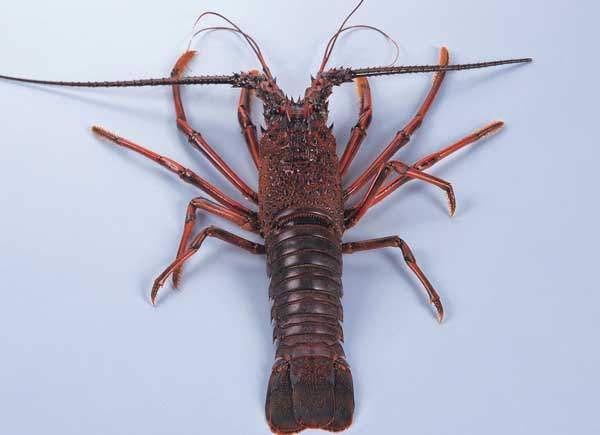
Marine shrimp, also known as red shrimp, large red shrimp, red prawn, or large red prawn, is the general term for the meat or whole body of aquatic and marine shrimp. Marine shrimp farming is a form of aquaculture, mainly involving the stocking of shrimp species with economic value. Commercial marine shrimp farms began in the 1970s, raising marine shrimp for human consumption.
Pond Disinfection
1. Silt removal: Silt removal means clearing the 15—20 cm layer of silt from the pond bottom. Silt removal should be carried out in winter after shrimp harvest each year, after the pond has been drained. Special attention should be paid to the four corners of the pond. If conditions permit, plowing the pond bottom is best, and this is especially important for shrimp ponds with particularly thick mud at the bottom.
2. Pond drying: Pond drying can kill various pathogens and other harmful organisms and improve the bottom environment. Pond drying is generally carried out in rain-free weather after the winter shrimp harvest, and the pond bottom should be dried until it cracks and turns white.
3. Pond poisoning: The purpose of pond poisoning is to kill various harmful organisms. Pond poisoning should be carried out 20—30 days before stocking the seedlings. Pond poisoning method: generally, for a mud-bottom pond, apply 300 jin of lime per mu. If used dry, it should be evenly scattered over the whole pond just after the pond has been drained while the bottom is still moist. If used wet, let about 10 cm of water into the pond, dissolve the lime on a boat, and splash it over the whole pond. After splashing the lime, 60 ppm tea seed cake and 2 ppm trichlorfon can be mixed in proportion, dissolved in water, and splashed over the whole pond. The trichlorfon should be crushed and dissolved in water; crystalline trichlorfon gives a better effect. The main role of tea seed cake is to kill various fish, while trichlorfon is mainly used to kill various crustaceans. Before pond poisoning, be sure to install 60-mesh netting at the sluice gate.
Water Quality Improvement
1. Water intake: Before letting water into a disinfected shrimp pond, first check the filter net to prevent pathogen- and virus-carrying copepods, small crustaceans, and other organisms from entering the shrimp pond and increasing the chance of shrimp becoming infected with viruses. The flow rate during water intake must be well controlled, and the sluice gate must never be allowed to go out of control or the filter net to be broken by excessive water pressure.
2. Water fertilization: Water fertilization is for cultivating basic feed organisms, and this measure is one of the most important steps in healthy aquaculture. Water fertilization has the following effects:
① Saving feed: Water fertilization cultivates large amounts of unicellular algae, providing abundant feed for zooplankton. Zooplankton then multiply in large numbers, ultimately producing large amounts of biological feed suitable for shrimp seedlings to eat, thus saving feed. Practice has shown that if water fertilization is done well, no feed needs to be given within 30 days after stocking the seedlings.
② Increasing dissolved oxygen: Because water fertilization produces large amounts of phytoplankton, the phytoplankton produce large amounts of oxygen through photosynthesis to supply the cultured organisms. High dissolved oxygen can remove or reduce harmful substances such as ammonia nitrogen in the pond and maintain a good ecological environment in the shrimp pond.
③ Shading the pond bottom: After water fertilization, phytoplankton multiply in large numbers, so sunlight cannot shine directly onto the pond bottom, allowing shrimp to live in a stable ecological environment.
④ To judge whether feed organisms are abundant, first look at water color, and second look at transparency. After water fertilization, the water color is usually brown or green. Brown is mainly due to diatoms, and green is mainly due to green algae. It is best to maintain transparency at around 40 cm; it should not be lower than 20 cm at minimum and should not exceed 100 cm at maximum.
⑤ Water fertilization method: Use urea mixed with superphosphate. The urea dosage is 5—15 grams per cubic meter of water, and the superphosphate dosage is 1.5-4 grams per cubic meter of water.
3. No intake, no discharge, no addition: This farming model is closed. From stocking the seedlings to harvest, no water is let in, no water is discharged, and no water is added throughout the entire process. This maximizes control over the inflow of external water into the shrimp pond, thereby cutting off viruses that might be introduced. This is the key to fully closed farming.
4. Water body disinfection: To prevent disease outbreaks, disinfect the shrimp pond once with chlorine dioxide 10-15 days before stocking the seedlings, at a concentration of 0.05-0.08 ppm.
5. Installing aerators: Aerators are the main equipment in today's intensive shrimp farming. Aerators help save fish and shrimp, remove waste gases, save feed, increase production, and prevent disease. Dissolved oxygen is a necessary substance for maintaining shrimp activity. Insufficient dissolved oxygen affects metabolism and lowers shrimp disease resistance. Sufficient dissolved oxygen can oxidize ammonia nitrogen in the water and promote shrimp growth.
Stocking Shrimp Seedlings
1. Quality assessment of shrimp seedlings: The quality of shrimp seedlings is the key to determining the success or failure of shrimp farming. The simplest and most direct way to judge whether shrimp seedlings are healthy is to scoop up shrimp seedlings from different water layers and observe whether there are individuals that are deformed, dead, or not vigorous. If this phenomenon appears, it indicates that the shrimp seedlings in the pond are already carrying or suffering from disease. If such shrimp seedlings are purchased, farming may fail completely, and the survival rate will be greatly affected.
2. Purchasing shrimp seedlings
① Desalination: The seawater salinity at the hatchery is around 28‰, while the salinity of the shrimp pond at the farm is often lower than the seawater salinity at the hatchery, so shrimp seedlings must be desalinated. The salinity of the farming pond should, under normal practice, not be lower than 5‰ below that of the hatchery pond. During desalination, it should be done gradually, with the salinity reduced by no more than about 1‰ per day.
② Counting: To ensure the number of shrimp seedlings, purchases of shrimp seedlings should not rely on estimation but should be counted one by one. When counting, a certain proportion may be sampled for counting. If the number of shrimp seedlings is estimated, buyers often suffer great losses.
③ Transportation: When purchasing seedlings, buy from as nearby as possible and, as much as possible, from units or individuals with a good reputation. Buying nearby makes transportation convenient and greatly reduces the risks brought by transportation.
④ Stocking density: Different cultured species have different stocking densities. Taking the farming of black tiger shrimp as an example, with aerators installed, it is suitable to stock 800-10000 seedlings per mu at a water depth of 1 m.
⑤ Stocking time: Different cultured species also have different stocking times. Taking black tiger shrimp as an example, the water temperature at stocking should preferably remain stable above 24°C.
⑥ Stocking method: When stocking, choose the leeward side, that is, the side from which the wind blows from behind, to prevent the shrimp seedlings from being blown toward the shore. After the shrimp seedlings arrive at the shrimp pond, the packaging bags should be soaked in the water for 30 minutes so that the water temperature inside the bags is close to that of the pond. When stocking, let water slowly flow into the bags, then slowly lift the bottom of the bags so that the shrimp seedlings swim out slowly.