Detailed Explanation of Feed Formulation Methods for Pacific White Shrimp
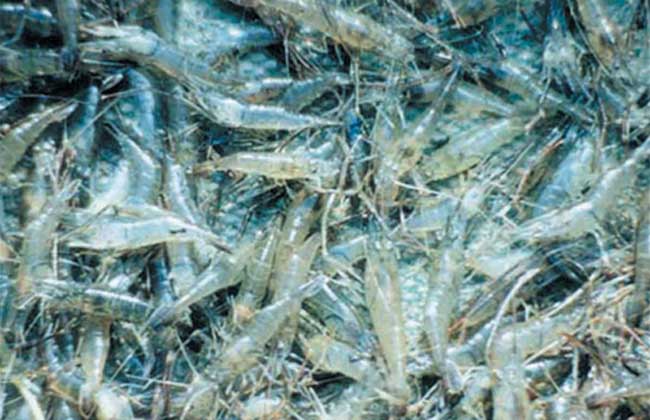
Feed is the basis of energy metabolism and the material foundation for the survival and growth of shrimp. Understanding and mastering the feeding habits and nutritional requirements of shrimp, developing scientific and nutritionally complete feed, and carrying out reasonable and scientific feeding are the keys to the success or failure of shrimp farming.
The Pacific white shrimp has the advantages of fast growth and a short farming cycle, so what are its nutritional requirements for feed? The results of farming practice show that the component occupying the most important position in feed is protein. Protein is the main nutrient needed for the body structure growth and various physiological activities of the Pacific white shrimp. It is also the most important factor affecting feed cost, because feed ingredients with higher protein content such as fish meal, soybean meal, and peanut meal account for the largest proportion in feed and have the highest price.
Protein is composed of 20 amino acids, of which 10 cannot be synthesized by shrimp themselves and must be obtained from feed, and are called essential amino acids——arginine, histidine, isoleucine, lysine, methionine, phenylalanine, threonine, tryptophan, valine. Only when the content of these 10 amino acids is sufficient can shrimp convert feed protein into their own protein. If the proportions of various essential amino acids are unbalanced, the utilization rate of feed by shrimp will also be greatly reduced. Therefore, when formulating Pacific white shrimp feed, the first thing to consider is using suitable protein raw materials to formulate feed that can meet the protein requirements of shrimp.
Protein Requirements of Shrimp
When China introduced the Pacific white shrimp in the 1990s, the information stated that the protein requirement was 28-32%, which was the requirement under an extensive farming model, where shrimp could feed on various nutrient-rich natural foods from natural seawater. However, at present, semi-intensive or semi-closed and closed farming and high-level pond farming are mostly adopted, all mainly relying on artificial feeding, and the Pacific white shrimp grows fast and has a relatively high meat yield. Without sufficient protein, it is impossible to meet the needs of its rapid growth. Experiments and production practice from various scientific research units have also verified that the protein content should be around 40%, not 28-32%.
Feed Nutrition, Environment and Diseases in Shrimp Farming
The entire process of shrimp farming, including shrimp pond structure, pond clearing, disinfection, water intake, fertilizing water to cultivate biological feed, water environment regulation, seed selection, selection of high-quality and efficient compound feed and scientific feeding, daily production management, and disease prevention and control, forms a systematic project.
For the excellent species of Pacific white shrimp, a healthy farming model must be established. On the basis of stable seed and water quality, choosing high-quality feed is very critical, because the Pacific white shrimp grows fast and must have high-quality and efficient feed as its material foundation. Selection criteria for good feed: comprehensive and balanced nutrition (never focus only on feed price, and it is also not appropriate to look only at the level of protein content, but rather pay attention to the balance of various amino acids, fatty acids, protein-energy ratio, and various vitamins and trace elements). Strong feeding attractability. Fast growth and low feed conversion ratio. Suitable soaking time and less pollution. It has functions such as immunity and disease resistance. Feed is the material foundation for shrimp growth and an important link affecting shrimp farming. Feeding high-quality feed can shorten the farming cycle of shrimp, eliminate the harm of shrimp diseases or reduce the harm of shrimp diseases, and achieve good economic benefits. As the saying goes: “You get what you pay for” and “Cheap goods are not good.” A few unscrupulous manufacturers use some low-quality, cheap, and hard-to-digest raw materials (such as feather meal) to process some cheaper feed. After shrimp eat it, due to insufficient nutritional requirements or lack of certain components, shrimp grow slowly, have poor disease resistance, a high feed conversion ratio, and serious pond pollution, with the loss outweighing the gain.
Therefore, when farming Pacific white shrimp, high-efficiency and high-quality compound feed must be selected to ensure successful farming.
The Role of Feed Quality in Farming
The quality of feed directly affects the farming effect. Feed is the main nutritional source for shrimp. Whether the feed can meet the nutritional requirements of shrimp directly affects the physiological state and immunity of shrimp. Although eating high-quality feed cannot guarantee that shrimp will not get sick, using poor-quality feed will certainly make shrimp unhealthy and create conditions for the spread of shrimp diseases. In the farming of Pacific white shrimp, high-quality high-protein feed should be selected from the time shrimp seedlings enter the pond, to promote fast growth, strong vitality, and a high survival rate of shrimp, laying the foundation for farming. Although the shrimp body's demand for protein in the middle stage is lower than that of young shrimp, the protein content in the feed should not be lower than 40%. With sufficient protein and nutrition, the disease resistance of shrimp is improved, and shrimp will not get sick. In addition, some people hope to increase the protein in shrimp feed even more, not realizing that the ability of shrimp to utilize protein is limited. When the protein content in feed exceeds their ability to digest, absorb, and utilize it, shrimp will consume more energy to break down this excess protein. Moreover, the nitrogenous substances in the excrement will be greater, which will aggravate the degree of water pollution in the shrimp pond.