Detailed Explanation of Shrimp Farming Cost Control Methods
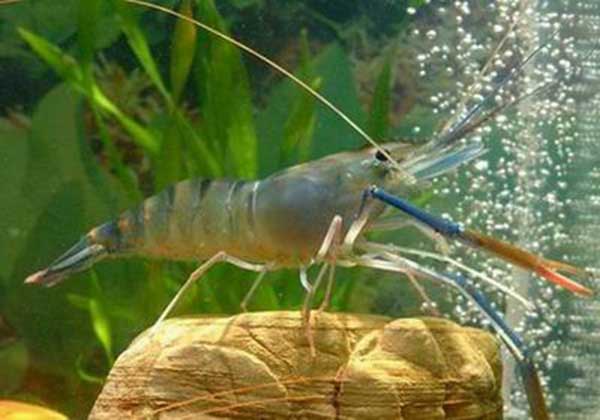
The main costs of shrimp farming consist of six aspects: feed, pond rent, electricity (diesel), labor, seed stock, and medications. Among these, the largest cost is feed, the second largest is pond rent, the third largest is electricity (diesel), the fourth largest is labor, followed by seed stock and medications. For the above aspects, the following measures can be taken:
Feed
Feed with complete compound feed specifically for Chinese white shrimp (Penaeus chinensis), choose feed with a high cost-performance ratio, and the feeding amount should be accurate without waste, which both saves costs and reduces pollution at the pond bottom. Feeding low-value shellfish is also a good option.
Pond Rent
Pond rent is also the contracting fee. In the same area, the contracting fee varies due to many factors such as the pond's water intake and drainage, pond depth, and transportation, and can be chosen according to needs.
Electricity (Diesel)
If conditions permit, using electricity is much cheaper than diesel.
Labor
Labor can be arranged reasonably according to needs, using temporary workers as much as possible.
Seed Stock
The cost is not high, so high-quality seed stock can be chosen.
Medications
Focus on prevention and avoid using medications as much as possible, and make reasonable use of biological agents.