Key Points of Fish-Shrimp Polyculture Technology for Freshwater Shrimp (Macrobrachium nipponense)
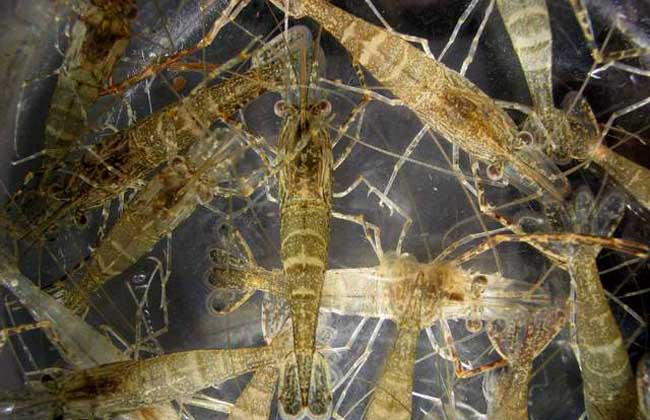
The freshwater shrimp (Macrobrachium nipponense) is a benthic crustacean with poor swimming ability, often crawling among aquatic plants or on the bottom. Therefore, it can be raised alone or polycultured with certain fish species. Fish-shrimp polyculture not only makes full use of the water body but also achieves a double harvest of both fish and shrimp without additional feed input or affecting fish growth, making it an excellent farming method.
Selection of Fish-Shrimp Polyculture Ponds
Fish-shrimp polyculture is usually carried out in fingerling ponds. When polycultured with fingerlings, the pond area should not be too large, preferably 3-5 mu. The pond bottom should be flat with little sludge, close to a water source, with convenient water intake and drainage, a quiet environment, and good ecological conditions. For ponds practicing fish-shrimp polyculture, quicklime should best be avoided for pond clearing; croton or tea seed cake is preferred.
Suitable Fish Species for Polyculture
In fish-shrimp polyculture, carnivorous fish and benthos-feeding fish such as mandarin fish and common carp must not be selected, as these fish will eat the freshwater shrimp. During the larval stage when the freshwater shrimp lives a planktonic life, it also must not be polycultured with bighead carp that feed on zooplankton, to avoid being eaten. In addition, freshwater shrimp need aquatic plants as habitat and hiding places, so they must not be polycultured with herbivorous fish such as grass carp and bream. Usually, only after the larval metamorphosis of the freshwater shrimp is complete and they have grown into small shrimp are silver carp and bighead carp fingerlings appropriately stocked for fish-shrimp polyculture.
Polyculture Ratio and Density
For pond fish-shrimp polyculture, the pond should be cleared and prepared in May-June. Stock 500-800 berried female shrimp per mu, or 5,000-8,000 juvenile shrimp at a size of 2,000-5,000 individuals/kg; in mid-July, stock 7,000-8,000 silver carp summer fry. For cage fish-shrimp polyculture, in late June, stock 2,000-4,000 berried female shrimp per mu, or in early July, stock 3,000-4,000 juvenile shrimp at a size of 1,500-3,000 individuals/kg per mu, then stock 80,000-120,000 silver carp summer fry per mu of cage.
Feeding and Management
Management measures can follow those for pond (cage) shrimp culture. However, it is worth noting that for fish-shrimp polyculture cages, the mesh size should not be larger than 24 meshes per square centimeter to prevent shrimp from escaping; cages with mesh that is too tight should also not be used, otherwise water permeability is poor, the mesh becomes clogged, and water quality easily deteriorates. Pond fish-shrimp polyculture also requires attention to preventing fish from surfacing for air. Remove wild and miscellaneous fish once a month. During the removal operation, silver carp must not be injured. If fish disease is found, it is best to catch the fish out for treatment. When treating fish diseases in the original pond (cage), attention must be paid to the safety of the freshwater shrimp, to prevent saving the fish while killing the shrimp. Ponds (cages) stocked with berried shrimp must have overwintering shrimp caught before mid-July.
In summary, freshwater shrimp are best polycultured with filter-feeding young fingerlings, preferably with silver carp fingerlings. They must not be polycultured with bream, blunt snout bream, common carp, or crucian carp, and certainly not with carnivorous fish. This is the key to successful fish-shrimp polyculture.