Detailed Explanation of Key Points for High-Efficiency Freshwater Shrimp Farming in Rice Fields
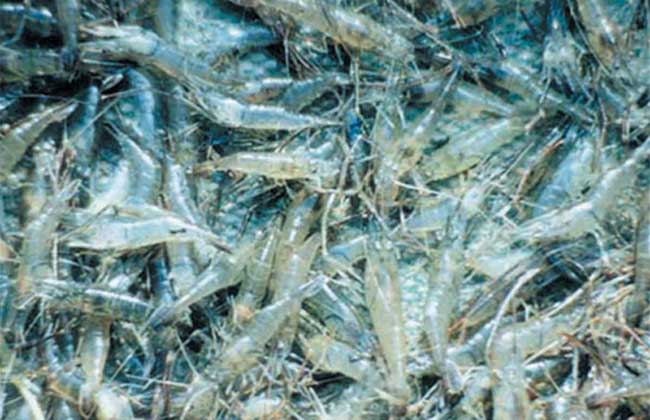
Farming freshwater shrimp in rice fields can improve the rice field ecological environment, increase production and income, and is also a farming method with great development prospects. The main technical points of operation are:
Select Good Fields and Dig Shrimp Ditches Properly
Rice fields for farming freshwater shrimp require fresh water quality and a stable water level. For this reason, choose fields close to a water source, with convenient water inlet and drainage and good soil quality. After plowing and leveling, a shrimp ditch 2 m wide and 1 m deep can be dug at one end of the field, or ditches 1 m wide and 0.8 m deep can be dug around the field and through the middle in a field-shaped pattern. Build the water inlet and drainage system, fill with water properly, and strictly prevent wild miscellaneous fish from mixing in.
Stock Seedlings at the Right Time to Increase the Survival Rate
Start releasing young shrimp one week after the rice seedlings are transplanted. Usually, young shrimp artificially bred in the same year are used for stocking, with a size of 2000-5000 shrimp/kg, and 10,000-15,000 shrimp can be released per mu. Choose cloudy and rainy days or sunny mornings for release, and release at separate points so that young shrimp are distributed throughout the water area, avoiding excessive concentration of young shrimp causing death due to oxygen deficiency. When releasing, movements should be quick to increase the survival rate of the young shrimp.
Feed Scientifically and Strengthen Management
After the young shrimp are released, start feeding immediately. Generally, wheat bran, soybean cake, or pelleted feed for fish (shrimp) can be used, and some animal-based feed such as snails, shellfish meat, and fish meat should also be appropriately fed. Feed 2 times a day, mainly in the evening. The daily feeding amount can be controlled at 2%-4% of the body weight of the shrimp in the field, and reasonably adjusted according to the season, weather, and feeding conditions of the freshwater shrimp, so that the shrimp eat enough and eat well and grow better.
Doing a good job in managing shrimp farming in rice fields is very important. First, regular water changes must be adhered to keep the water in the shrimp ditches fresh. Especially in the high-temperature seasons of summer and autumn, water should be changed more frequently. Even when the rice field is being dried, the water level in the shrimp ditches should be kept stable to provide a good ecological environment for freshwater shrimp growth. Second, avoid using pesticides as much as possible. If they must be used, choose low-toxicity and high-efficiency pesticides, pay attention to the method of use, and do not kill the freshwater shrimp. Third, pay attention to removing enemies. Frogs, snakes, water rats, and others will all swallow freshwater shrimp, so effective methods should be taken to eliminate them in time.
As long as we persist in adapting measures to local conditions, strictly follow technical specifications, and effectively strengthen feeding management, farming freshwater shrimp in rice fields can achieve a good yield of 20-30 kg.