How to raise Australian red claw crayfish? A full breakdown of farming techniques
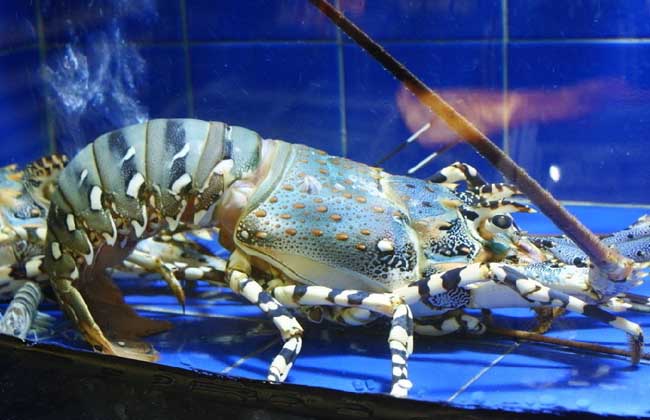
In nature, crayfish mainly inhabit sandy and muddy seabeds, with one crayfish lurking in each burrow, but during the mating period, males and females pair up and lurk together, and they sometimes also hide in crevices in rocks. During the rearing period, crayfish must be fed, and consideration should be given to whether various attached organisms can be used as feed.
Pond conditions
The pond should preferably be chosen in a place with sufficient water sources, open ground and a slightly sloping terrain. There should be no mountains, forests or buildings around to block it, which can ensure good ventilation and facilitate the stirring and convection of pond water. A slightly sloping terrain makes it easy to irrigate and drain water by gravity.
1. Shrimp pond area: size is not limited, but 0.2-0.67 ha is preferable; a rectangular shape is required, with a length-to-width ratio of 1:3.
2. Water depth: water depth should be 0.7-1.5 m, not too deep, which is conducive to the growth of aquatic plants, photosynthesis, dissolved oxygen replenishment, and the habitation, feeding and growth of crayfish. Under suitable temperature conditions, shallow-water farming is preferable.
3. Water quality: the water should be fresh and pollution-free, with dissolved oxygen in the water above 4 mg/l and a pH value of 7.0-8.0.
4. Drainage and irrigation system: drainage and irrigation should be separated, which is conducive to water quality regulation and disease prevention and control. The water quality of the external river must likewise be good, fresh and pollution-free.
5. Shrimp pond slope: the pond embankment should have an appropriate slope, and the pond bottom should be flat and slope slightly toward the drainage side to facilitate draining the pond to catch shrimp.
6. Shrimp pond improvement: use the dry-pond harvesting season to remove excess sludge from the pond, keeping at most 10-20 cm; the removed sludge is used to repair and reinforce the pond embankment. Before stocking, dry the pond and expose it to the sun for 15-30 d, so that the pond bottom is hard and the cracks are small, which is conducive to the habitation and growth of crayfish.
7. Provide hiding places: freshwater crayfish have a habit of fearing light, so place more hiding objects such as patterned tiles, old tires, pvc pipes, bamboo rafts, bricks and tiles, and old baskets at the bottom of the pond; where conditions permit, a sunshade can also be appropriately set up over the pond. Combine several methods to create a half-shaded, half-sunlit, quiet and comfortable habitat environment for crayfish.
8. Escape prevention: in addition to the embankments around the shrimp pond being sturdy, simple materials such as plastic film or plastic netting can also be used to enclose it, preventing crayfish from escaping or the intrusion of harmful organisms such as frogs, snakes and rats.
Methods of releasing fry
1. Time of releasing fry: generally from April to early June; fry can be released when the spring water temperature rises above 16°C.
2. Selection of shrimp fry: choose fry with a smooth and shiny body surface, complete and sound limbs, and good health.
3. Stocking density: determined by factors such as shrimp fry size, grow-out requirements, shrimp pond conditions and feeding management level. Generally, for crayfish fry with a body length of more than 1.5-2 cm, the stocking rate per 1/15 ha is 5000-6000 individuals, and the survival rate is usually above 70%-80%.
4. Fry release methods and precautions: ① When releasing fry, the water level is required to be above 0.8-1.0 m; because the temperature varies greatly during the fry release season, a deeper water level helps keep the water temperature relatively stable. ② Each shrimp pond must be stocked with the full amount of fry in one release. ③ Fry should be released separately in the shallow water around the shrimp pond. ④ If the shrimp fry are transported at low temperature by the oxygenated method, the fry should first be taken out, and the temperature difference should be adjusted slowly; after the water temperature inside the bag is basically consistent with the pond water temperature, they can then be put into the pond.
5. Polyculture with fish: in pond farming of Australian freshwater crayfish, it is not suitable to polyculture carnivorous or omnivorous fish, but some silver carp and bighead carp can be appropriately stocked; on the one hand, this keeps the water from becoming too fertile, and on the other hand, these fish are relatively sensitive to dissolved oxygen in the water and can also serve as an alarm for oxygen deficiency in the pond.
Feeding
1. Types of feed
① Plant-based feed: soybean, soybean cake, wheat, corn, sweet potato, etc. It must be noted that if legumes are chosen as feed, they must be heat-treated to remove trypsin inhibitors, which is beneficial for the absorption of plant protein. Crayfish also eat some fresh and tender succulent aquatic plants. An appropriate amount of locally growable aquatic plants that are beneficial to crayfish can be planted in the shallow-water areas of the pond or along the pond edge.
② Animal-based feed: fish meal, fresh trash fish, river snails, freshwater mussel meat, earthworms and livestock and poultry viscera, etc.
③ Compound feed: at present, there is no compound feed specially for freshwater crayfish on the market; compound feed for prawns and hairy crabs can be used instead, or it can be mixed on your own.
2. Feeding amount: the daily feeding amount of dry feed is roughly 8%-10% of the body weight of small shrimp, 5% of the body weight of medium shrimp, and 3%-4% of the body weight of large shrimp; if fresh feed is used, it can be appropriately higher than this figure. The feeding situation of crayfish should be flexibly controlled according to weather, water temperature, water quality and other conditions, and adjusted reasonably in a timely manner.
3. Feeding methods: generally twice a day, in the morning and at dusk, preferably before sunrise and after sunset, with the dusk feeding as the main one (accounting for 80% of the whole day), but some people change the afternoon feeding to around ten o'clock at night, because crayfish clearly have the habit of hiding by day and coming out at night. The feeding method is “four fixed and four observations”, namely fixed time, fixed place, fixed quality and fixed quantity; observe the season, the weather, the water quality and the feeding situation of crayfish to determine the increase or decrease of the feed amount. Mainly feed evenly at multiple points along the bank and in shallow water; in the morning, feeding should be farther from the shoal, and at dusk, feeding should be closer. Feed tables can also be added around the shrimp pond to observe the feeding situation of the shrimp. Feeding differs at each stage: for juvenile shrimp with a body length of 1.5-5 cm, feed finely crushed feed; for medium shrimp of 5-10 cm, the feed must be processed into a certain size before feeding; for the adult shrimp stage, the feed can be somewhat coarser. When shrimp fry are first put into the pond, animal-based feed should be dominant, with plant-based feed as a supplement; in the middle period, feeding should gradually shift to plant-based feed as the main feed, with animal-based feed as a supplement; in the later period, more animal-based feed should be fed, achieving “rich at both ends, green in the middle”.
Rearing management
The water quality of the shrimp pond is required to remain fresh, with high oxygen content and free from pollution. In the early stage, focus on fertilizing the water, with a transparency of about 25 cm; in the middle and late stages, change and add water frequently, preferably about every 15 d, with a transparency of 30-40 cm. Do a good job of increasing oxygen and activating the water, maintain a good pond environment, and promote appetite and growth. Where conditions permit, micro-flowing water farming can be used.
In the middle and late stages, apply 20-25 g of quicklime per 1/15 ha every half month (water depth 1 m), and occasionally splash a substrate improver over the whole pond to regulate water quality. If conditions permit, 0.1% molting hormone can be mixed into the feed or granulated feed for shrimp and crabs can be fed.
Daily management
1. Patrol the pond frequently: in the morning, mainly check whether there is leftover feed so as to adjust the day's feed; at noon, mainly measure the water temperature and observe changes in the pond water; in the evening or at night, mainly observe and understand the activity and feeding situation of crayfish.
2. Check frequently: repair and reinforce escape-prevention facilities, and especially do a good job of escape prevention during storms.
Enemies, diseases and prevention and control
1. Types of enemies: the main enemies include rats, frogs, water birds, water centipedes, chironomid larvae, etc. Do a good job in a timely manner of deratization, remove frog eggs and tadpoles from the pond, and install 30-40 cm netting around the shrimp pond to prevent the intrusion of frogs and water snakes. If water centipedes are found in the pond, they can be caught with a hand net.
2. Disease prevention and control: Australian freshwater crayfish have strong disease resistance, and no explosive or epidemic diseases have been found since their introduction, but with the improvement of intensive farming, disease prevention and control work must not be taken lightly! Prevention should be the main approach; before the fry are put into the pond, the body surface must be disinfected to prevent pathogens from being brought into the shrimp pond. Several pathogens have been seen so far, mainly parasites, algae and certain bacteria. Generally, parasites can be treated by splashing or hanging bags with a mixture of copper sulfate and ferrous sulfate (5:2) (0.5-0.7) × 10e-6. If ciliates attach to the shrimp body, causing sluggish movement, reduced feeding and difficulty in molting, shrimp and crab ciliate cleanser can be used for treatment, with a dosage of 500 g per 1/15 ha at a water depth of 1 m.
3. Pesticides are strictly prohibited: Australian freshwater crayfish are relatively sensitive to pesticides; if farmland water is used to fill the pond, the inflow of field water into the shrimp pond must be strictly prohibited during the period when pesticides are applied to the farmland.