Detailed explanation of juvenile shrimp rearing technology, key points of shrimp fry breeding management
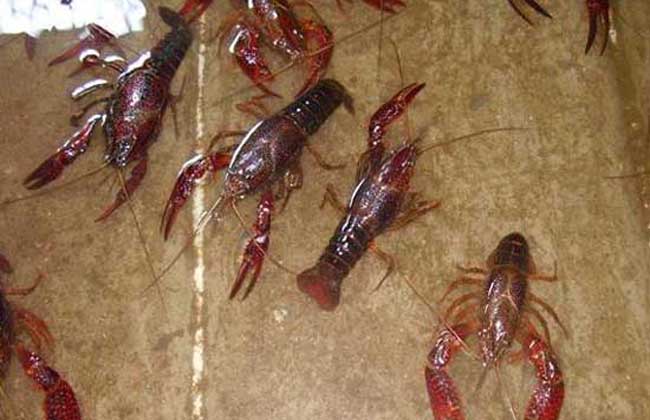
Rearing requirements
Juvenile shrimp leave the mother to live independently, generally in juvenile shrimp ponds. After all juvenile shrimp have left the mother, the parent shrimp are removed, and the juvenile shrimp are left for rearing. At this time, the average body length of the juvenile shrimp is 0.8 cm. After 15 days of rearing, the body length can reach 2.4-3 cm, for farmers to carry out adult shrimp breeding production.
1. Pond requirements
Juvenile shrimp ponds are best as cement ponds with an area of 20-40 sq m and a water depth of 0.6-0.8 m. Earthen ponds are also acceptable, but newly built cement ponds must first undergo alkali removal treatment. They should be close to a water source, with good water quality, convenient water intake and drainage, escape prevention facilities built, and pond disinfection carried out (the method is the same as for parent shrimp rearing). After disinfection, apply 500 kg/mu of fermented organic fertilizer to cultivate plankton for juvenile shrimp to feed on. At the same time, set up tree roots, bamboo tubes, etc., to provide habitats, molting sites and hiding places for juvenile shrimp.
2. Water requirements
① Water quality: generally river water or well water is used, and the water quality should be fresh. At the water inlet, use a screen to filter the incoming water to prevent insects, aquatic animals (such as water centipedes), small fish and shrimp, and eggs from entering the pond. During the rearing period, depending on the condition of filth, residual feed and water quality (such as high levels of ammonia nitrogen and other three-state nitrogen), regularly siphon off waste and change the water to maintain good water quality.
② Water temperature: the suitable range is 27°C-29°C, and the fluctuation range must not exceed 2°C. If the water temperature is lower than 20°C, the growth rate slows down, which will seriously affect the survival rate. Therefore, the water temperature must be kept relatively stable throughout the entire rearing period.
③ Dissolved oxygen: after juvenile shrimp leave the mother, the rearing pond must be aerated continuously all day so that the dissolved oxygen in the water is sufficient.
④ pH value: the pH value of the rearing water should be controlled at 7-8.5, slightly alkaline. If the water is found to be acidic, quicklime can be used to adjust the pH value. For breeding farms using tap water for small-scale production, baking soda can be used to adjust the pH value.
2. Rearing technology
The stocking density of juvenile shrimp is generally 150-230 tails/sq m. Note that the shrimp fry in the same pond should be consistent in size, and choose to stock on a sunny morning or a cloudy day. In the first week after stocking, soybean milk can be fed, 3-4 times a day; from the second week onward, mainly feed animal feed such as small fish and shrimp, snail and mussel meat, earthworms, silkworm pupae, etc., appropriately combined with corn, wheat, etc., plus paste-like feed, fed once in the morning and once in the evening, with the morning feeding being 40% of the daily ration. The daily feeding amount in the early stage is 0.25-0.40 kg per 10,000 juvenile shrimp, and afterward feed at about 10% of shrimp weight. During the rearing period, change the water once every 10 days, each time changing 1/3; splash quicklime water once every 20 days, with a concentration of about 20 g/cu m, to adjust water quality. After 25-30 days of rearing, the body length of the young shrimp can reach 3 cm, and they can then be transferred to adult shrimp breeding.